


 English
 русский
 Español
 عربى
عربى 简体中文
简体中文
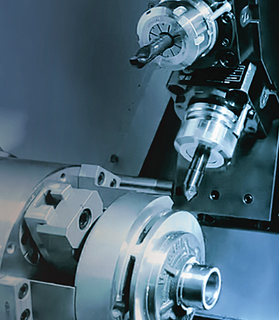




Overview In the metal-cutting industry, the "machine bed" is a component often overlooked by buyers, yet it is the decisive factor in whether a lathe can ...
READ MORE About Us
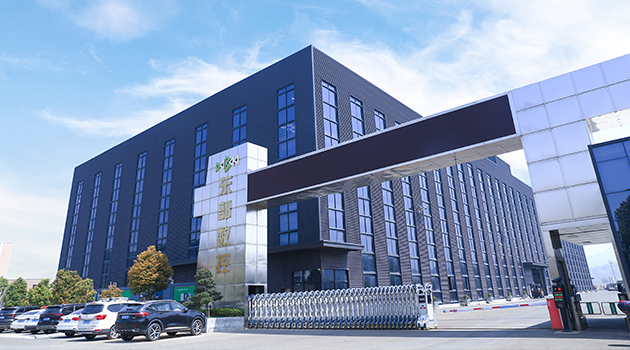
Taizhou Eastern CNC Technology Co., Ltd.
We are a well-known brand that manufactures
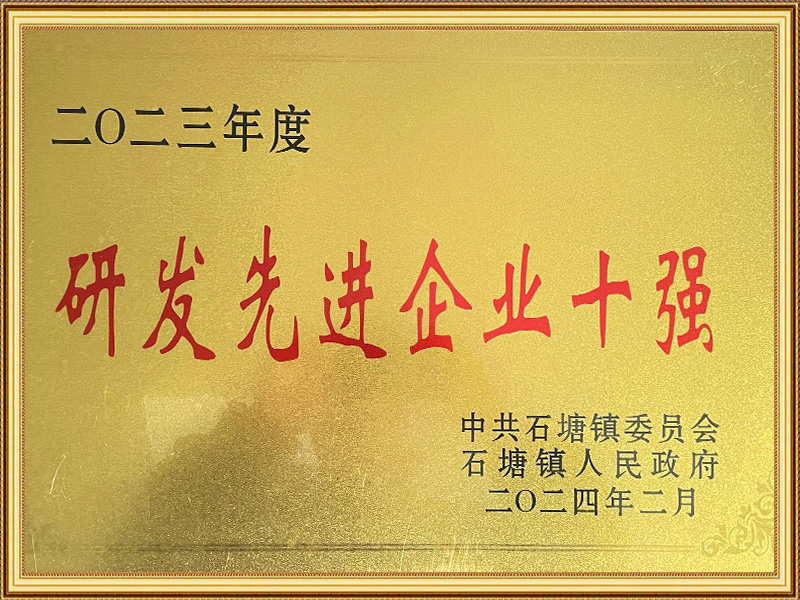
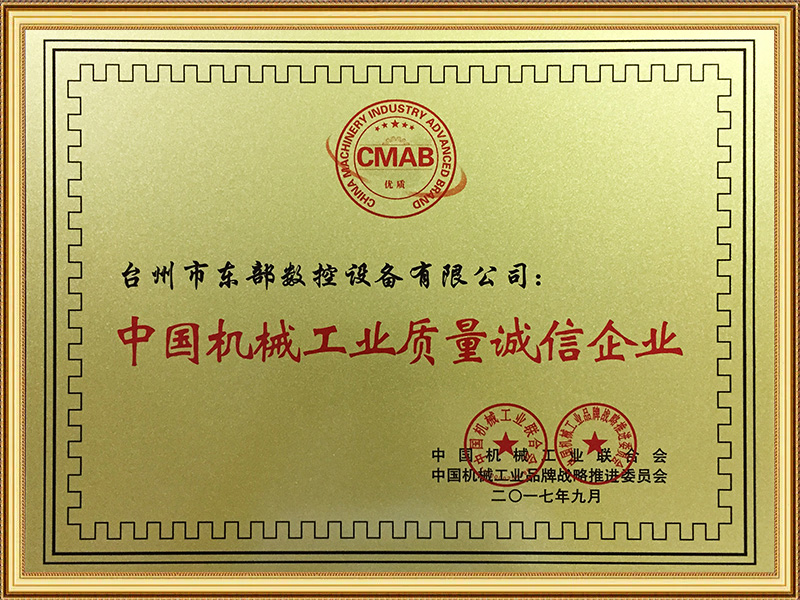
Honor
News
-
-
Introduction In the past two years, many small and medium-sized machine shops have faced a common set of challenges: difficulty in recruiting skilled labo...
READ MORE -
Overview Talk to anyone who's actually run a metalworking lathe for a living, and one thing comes up again and again: get the machine wrong, and every ste...
READ MORE -
Abstract Double-turret CNC lathes and dual-spindle CNC lathes are two machine tool configurations frequently discussed together in the field of precision ...
READ MORE -
Abstract As the demand for precision manufacturing continues to evolve, Y-axis lathes are increasingly becoming a focal point for manufacturing enterprise...
READ MORE
Industry knowledge
Applications of 5-Axis Vertical Machining Centers in Complex Part Machining
The 5-Axis Vertical Machining Center is a crucial processing equipment in modern manufacturing, especially suitable for machining parts with complex shapes and varying dimensions. Through five-axis simultaneous movement, it enables multi-directional movement of the tool and workpiece, thus completing the machining of curved surfaces, inclined surfaces, and complex geometric shapes that are difficult to process with traditional three-axis equipment.
In mold manufacturing, precision machinery, and automotive parts processing, the demand for machining complex parts is increasing. The 5-Axis Vertical Machining Center can complete multi-sided machining in a single setup, reducing errors caused by repeated workpiece positioning. Its core advantages include high machining accuracy, strong flexibility, and reduced processing time.
The table below summarizes typical applications of 5-Axis Vertical Machining Centers in complex part machining:
| Application Area | Machining Characteristics | Advantages |
| Mold Manufacturing | Curved molds, complex cavities | Reduces clamping times, saves processing time |
| Precision Mechanical Components | Small, high-precision parts | Improves consistency in repetitive machining |
| Automotive Parts | Irregularly shaped parts, complex contours | Flexible adjustment of tool angle, enabling multi-sided machining |
Core Technologies and Machining Accuracy Analysis of 5-Axis Vertical Machining Centers
The core technologies of the 5-Axis Vertical Machining Center mainly include a five-axis linkage control system, a high-rigidity machine tool structure, a precision spindle system, and advanced tool compensation and measurement technologies. These technologies directly affect the machining accuracy and capabilities of the machine tool.
The five-axis linkage control system can simultaneously control the tool movement in the X, Y, Z, A, and B directions, enabling multi-angle and multi-surface machining. The high-rigidity machine tool structure reduces vibration and deformation, improving machining stability. The precision spindle system ensures spindle rotation accuracy and balance, further improving the surface quality of the machined parts. Tool compensation and measurement technologies automatically adjust tool length and tool tip position, minimizing machining errors. The table below lists the main core technologies and their impact on machining accuracy:
| Technology Component | Function and Role | Impact on Machining Accuracy |
| 5-Axis Simultaneous Control | Controls multi-directional movement of the tool | Improves machining accuracy of complex surfaces |
| High-Rigidity Machine Tool Structure | Reduces vibration and deformation | Ensures dimensional stability |
| Precision Spindle System | Provides smooth rotation | Improves surface finish |
| Tool Compensation and Measurement | Automatically adjusts the tool | Reduces machining errors |
5-Axis Vertical Machine Center Process Strategy
In actual production, a reasonable process strategy can fully utilize the machining capabilities of the 5-Axis Vertical Machine Center, improving efficiency and ensuring machining quality. The process strategy mainly includes tool selection, cutting parameter optimization, machining path planning, and fixturing and jig design.
- 1. Tool Selection
Select the tool type, tool geometry, and tool material based on the part material, shape, and machining requirements. For complex surface machining, ball-end mills or radius cutters are usually used, combined with high-precision tool measurement, to reduce machining residual material.
- 2. Cutting Parameter Optimization
Reasonably set the spindle speed, feed rate, and cutting depth to avoid overcutting or vibration, while ensuring machining efficiency. Cutting parameters should be adjusted according to tool performance and workpiece material to achieve the good machining results.
- 3. Machining Path Planning
Use CAM software for 3D path planning to achieve multi-angle, continuous cutting, avoiding tool interference and over-machining. Reasonable planning of the machining sequence can reduce repeated clamping and secondary machining errors.
- 4. Fixturing and Jig Design
Jig design should ensure the workpiece is stable without affecting tool movement. For complex parts, multi-point support, vacuum fixtures, or dedicated custom fixtures can be used to ensure machining stability. The table below shows a comparison of process strategies and their effects:
| Process Strategy | Specific Method | Effect |
| Tool Selection | Selecting ball-end mills and radius cutters | Improves surface machining accuracy |
| Cutting Parameter Optimization | Adjusting spindle speed, feed rate, and depth of cut | Ensures machining quality and reduces vibration |
| Machining Path Planning | CAM software path simulation | Avoids tool interference and improves efficiency |
| Clamping and Fixture Design | Multi-point support or vacuum fixtures | Improves workpiece stability and machining accuracy |
Precautions for Beginners Using a 5-Axis Vertical Machining Center
For novice operators, using a 5-Axis Vertical Machining Center requires mastering basic operating procedures, safety regulations, and precautions to ensure safe machine operation and maintain machining accuracy.
1. Basic Operating Procedures
- Startup Check: Confirm that the power supply, lubrication system, and cooling system are functioning correctly.
- Workpiece Clamping: Use a stable fixture to secure the workpiece, ensuring accurate workpiece positioning.
- Tool Installation and Measurement: Install the tool and confirm the tool length and tip position using the measurement system.
- Program Import and Simulation: Import the machining program into the CNC system and perform a simulation or dry run check.
- Machining Operation: Start the machine and monitor the machining process, paying attention to the tool and workpiece status.
- Unloading and Cleaning: After machining is complete, remove the workpiece and clean up chips and the machine environment.
2. Safety Precautions
- Keep the safety guard closed during operation.
- Avoid touching the workpiece while the tool is running.
- Be aware of chip and coolant splashing.
- Regularly check the condition of fasteners, fixtures, and electrical systems.
The table below summarizes the key points for novice operators:
| Operating Steps | Precautions |
| Startup Check | Power, lubrication, and cooling systems are normal |
| Workpiece Clamping | Use a stable fixture, accurate positioning |
| Tool Installation and Measurement | Confirm tool length and tip position |
| Program Import and Simulation | Simulation run, check for interference |
| Machining Operation | Monitor cutting status, pay attention to safety |
| Unloading and Cleaning | Clean up chips and the machine environment |
5-Axis Vertical Machining Center Common FAQs
1. What are the main advantages of a 5-axis vertical machining center?
A 5-axis vertical machining center can simultaneously control the X, Y, Z axes and the A and B rotary axes, enabling multi-directional synchronous movement of the tool and workpiece. This enables the machining of complex curved surfaces and inclined parts, reducing the number of repeated clamping operations and improving machining accuracy and efficiency.
2. What are the differences between a 5-axis vertical machining center and a 3-axis machining center?
A 3-axis machining center can only move the tool in the X, Y, and Z directions, making it difficult to machine complex curved surfaces. A 5-axis vertical machining center, through the cooperation of rotating axes, achieves multi-angle cutting and multi-surface machining, making it suitable for aerospace, mold making, and high-precision parts processing.
3. How to ensure the machining accuracy of a 5-axis machining center?
Machining accuracy depends on machine rigidity, spindle accuracy, tool condition, cutting parameters, and fixture stability. Regular machine calibration, proper workpiece clamping, selection of appropriate tools, and optimization of machining parameters can ensure machining accuracy and surface quality.
4. What safety precautions should a novice operator observe when operating a 5-axis vertical machining center?
- Check the power supply, lubrication system, and cooling system before starting the machine.
- Do not touch the workpiece while the tool is running.
- Ensure the protective cover is closed to prevent chip splashing.
- Regularly check that the fixtures and fasteners are secure.
- Stop the machine immediately and check if there is any abnormal vibration or noise.
5. What are some common problems and troubleshooting methods for a 5-axis vertical machining center?
- Large machining errors: Check if the workpiece clamping is secure, if the tool is worn, and if there are deviations in the machine's geometric accuracy.
- Increased vibration or noise: Check the spindle and machine rigidity, and adjust the cutting parameters.
- Program errors: Check the CNC program syntax, tool path, and parameter settings.
- Poor cutting quality: Adjust the cutting speed, feed rate, and tool angle.
How to buy CNC machine tools
-
01
Contact Us
All of your quotes will be answered within 2 hours by our professional sales support.
-
02
Get A Free Quote
Use reliable parts and components to ensure product quality.
-
03
Fast Delivery
You can expect your order fulfilled within 60 days after placing the order.
-
04
After-sale Support
All our products come with a one-year warranty.

-

-

sales@east-cnc.com
-

Shangma Industry Area, Shitang Town, Wenling City, Taizhou, Zhejiang, China.
-

Products
Message
Copyright © Taizhou Eastern CNC Technology Co., Ltd.

CNC Vertical Turning Lathe Company Privacy Policy