


 English
 русский
 Español
 عربى
عربى 简体中文
简体中文
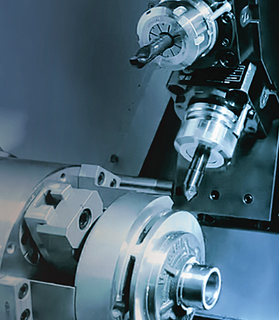






In April 2026, the 14th China CNC Machine Tool Exhibition (CCMT2026) concluded successfully in Shanghai. The event brought together numerous renowned dome...
READ MORECATEGORIES
CNC Flat Bed Lathe Series
CNC Flat Bed Lathe Advantages:
1. High Precision
2. Flexibility and Programmability
3. High degree of Automation
4. Multifunction
5. Application:
Our CNC flatbed lathes are widely used in various industrial fields and have become indispensable and important equipment in modern manufacturing.
- Auto parts processing: CNC flatbed lathes are widely used in the automobile manufacturing industry for processing automobile engines, gearboxes, wheels, and other parts.
- Aerospace field: CNC flatbed lathes have important applications in the aerospace field and are used to process aircraft engine parts, aerospace devices, etc.
- Mold manufacturing: CNC Flat Bed Lathe can be used in the mold manufacturing industry for processing plastic molds, die-casting molds, etc.
- General machining: CNC Flat Bed Lathe can also be used in general machining fields, such as processing common parts such as bearings and threads.
-
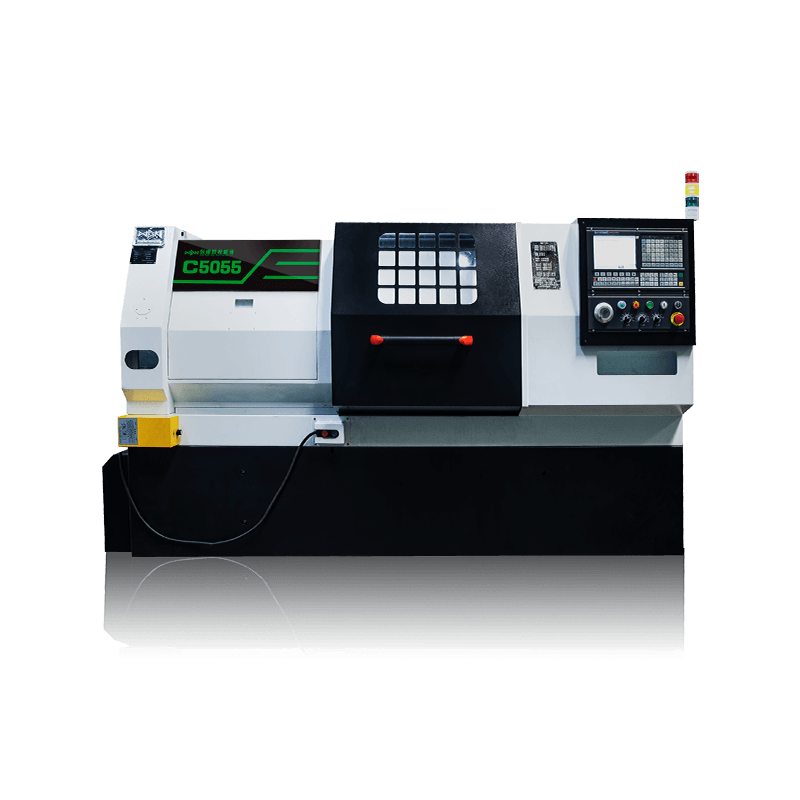
Details:
Horizontal CNC Lathe C5055 Features Flat Bed Lathe, Gear Shift, standard with Hydraulic Through Chu...view moreC5055/C5055-B Horizontal CNC Lathe for Heavy Cutting
-
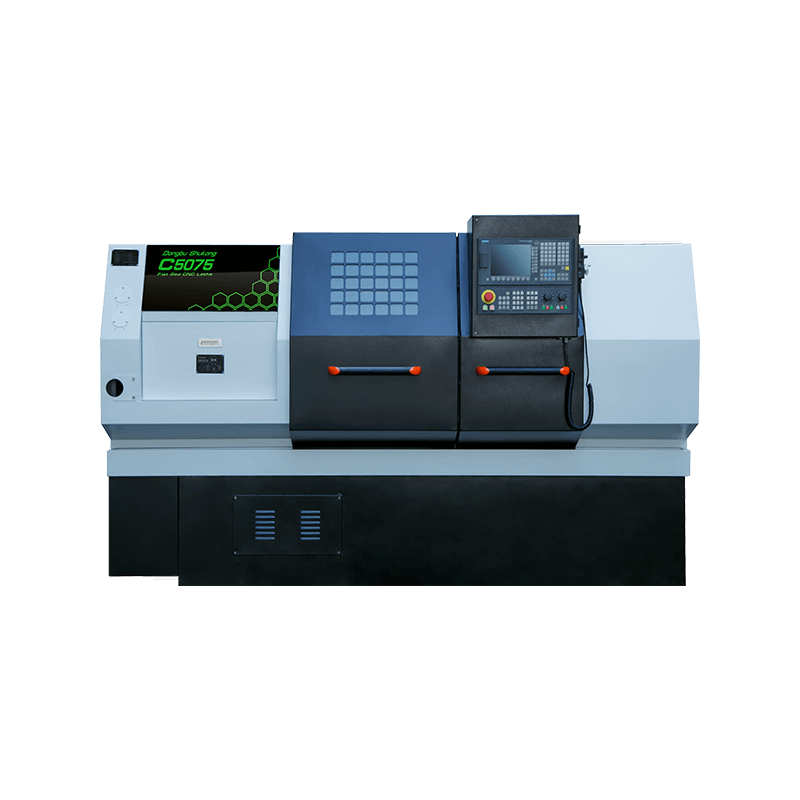
Details:
CNC Horizontal Lathe Machine C5075 Series Features Flat Bed Lathe, Gear Shift, standard with Manual ...view moreC5075/C5075B Horizontal Lathe Machine for Heavy Cutting
-
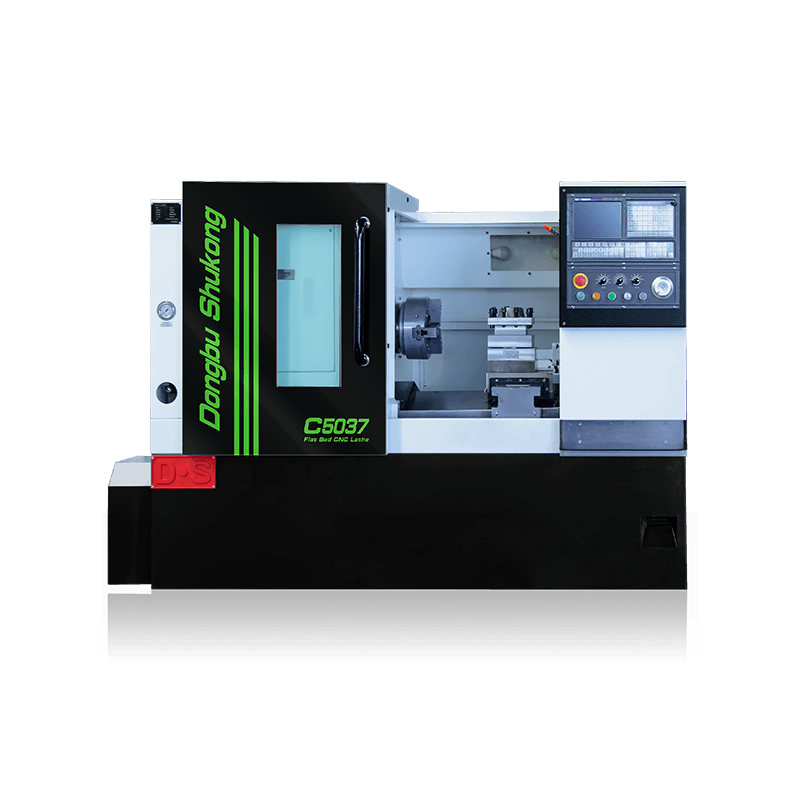
Details:
C5037 Series CNC Horizontal Lathe Features Flat Bed Lathe, Gear Shift, standard with Hydraulic Throu...view moreC5037 Horizontal Lathe for Heavy Duty Processing
-
Details:
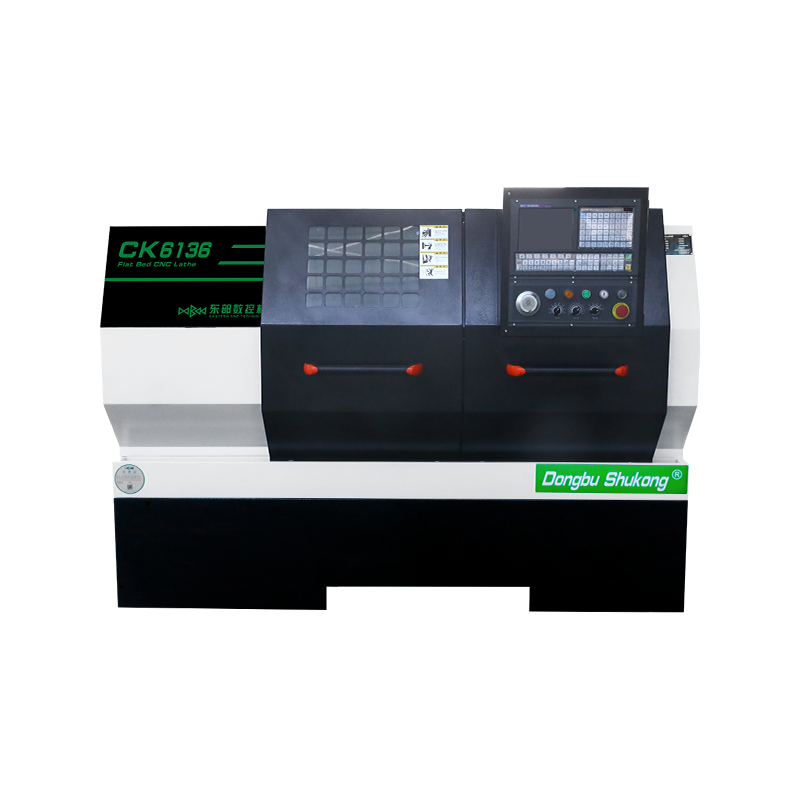
CNC Flat Bed Lathes CK6136 Features Flat Bed Lathe, standard with Manual Chuck, Electric 4 Post Turr...view moreCK6136 Hard Rail CNC Flat Bed Lathes
-
Details:
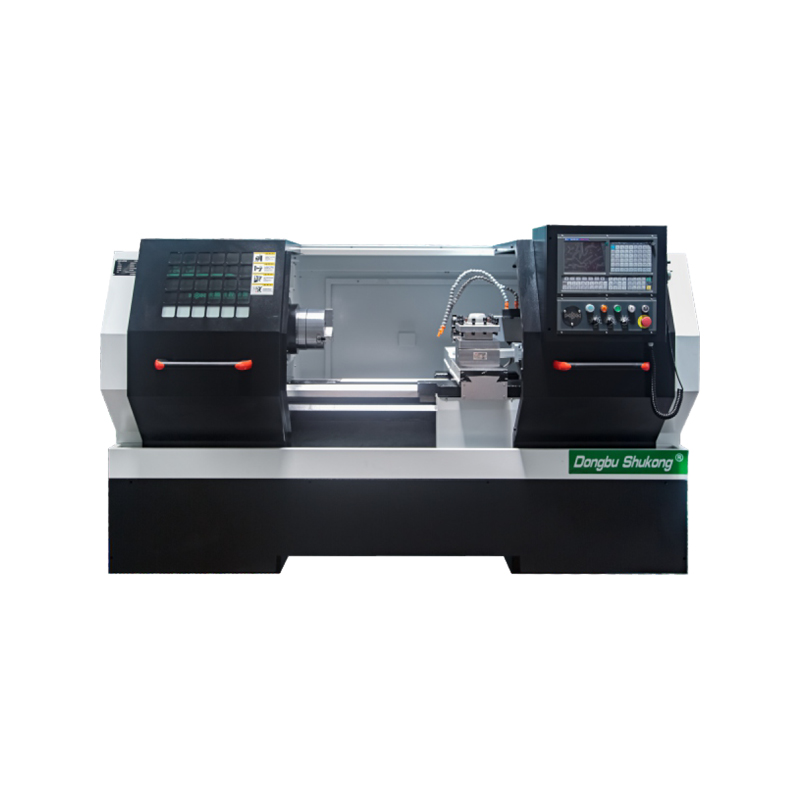
CK6150 Series Flat Bed CNC Lathe Machine Features Flat Bed Lathe, Gear Shift, standard with Manual C...view moreCK6150/CK6150-B/CK6150-L Flat Bed CNC Lathe
-

Details:
Flat Bed Lathe, standard with Hydraulic Through Chuck, Gang Type, Hard Guideway, and Manual Tailstoc...view moreCJK6130L CNC Horizontal Lathe Machine
-
Details:
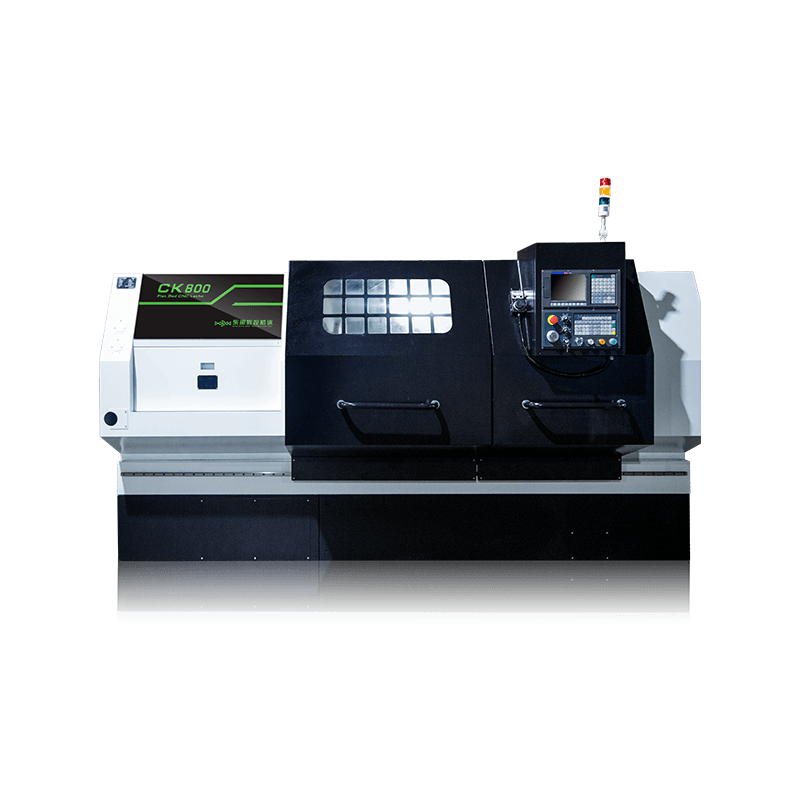
Flat Bed Lathe, Gear Shift, usually working with the Indexing Chuck, suitable for the Valve Workpiec...view moreCK800/CK800L Heavy Duty Flat Bed
-
Details:
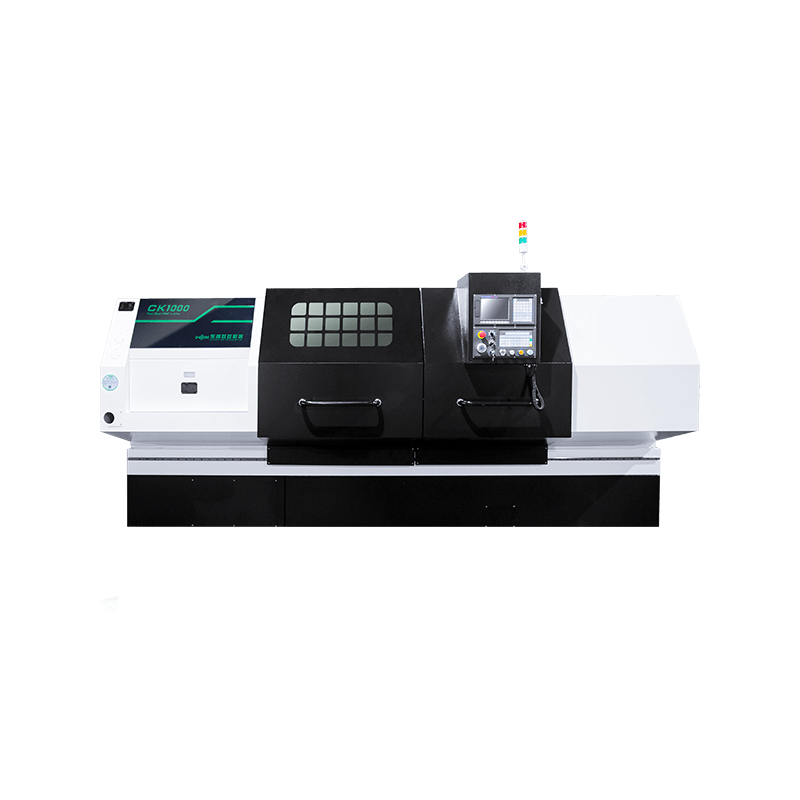
CK1000 Horizontal Flat Bed Machine Features Flat Bed Lathe, Gear Shift, is usually working with the ...view moreCK1000 Horizontal CNC Flat Bed Machine for Long Shaft
-
Details:
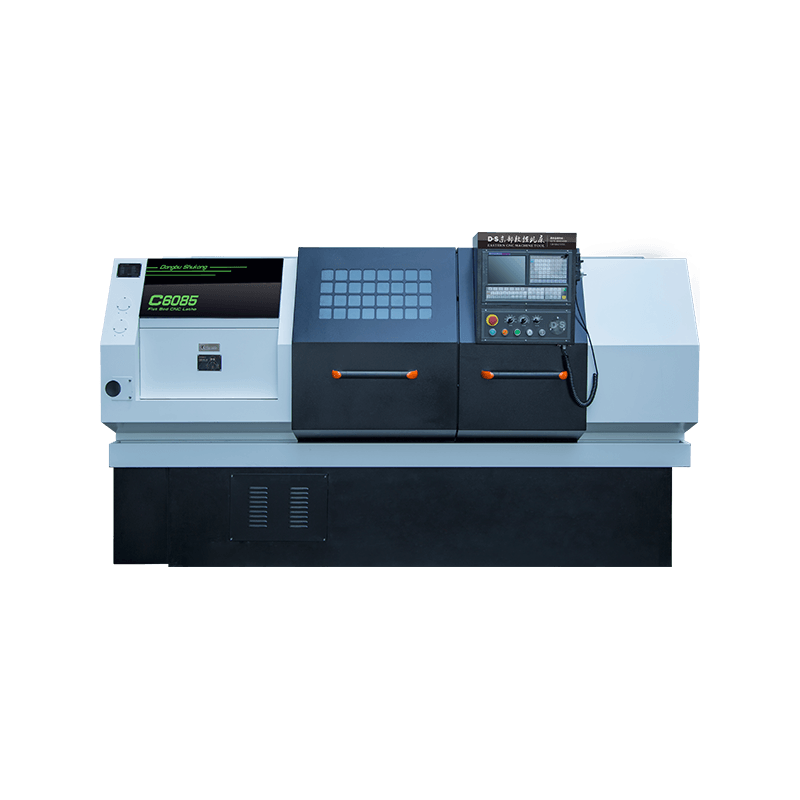
Flat Bed CNC Lathe Machine C6085 Series Features Flat Bed Lathe, Gear Shift, standard with Manual Ch...view moreC6085/C6085-B Heavy Cutting Horizontal Flat Bed CNC Lathe Machine
-
Details:
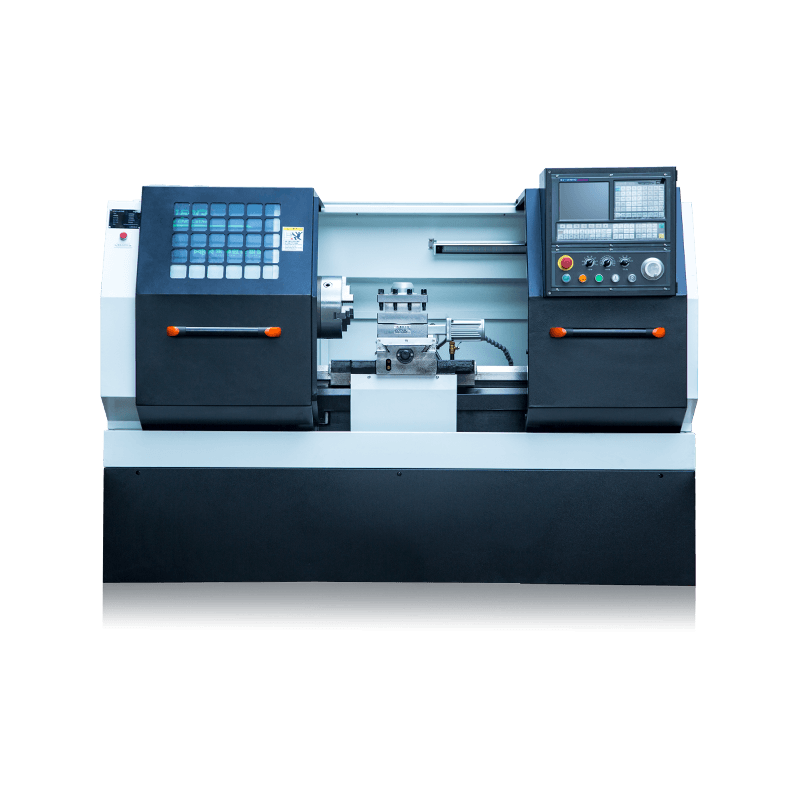
CNC Flatbed Lathe C6150Q Features Flat Bed Lathe, Gear Shift, standard with Manual Chuck, Electric 4...view moreC6150Q/C6150Q-L/C6150QB-L Hard Rail Flatbed Lathe
About Us

Taizhou Eastern CNC Technology Co., Ltd.
We are a well-known brand that manufactures
Honor
News
-
-
What is a Sub-Spindle CNC Lathe? A Sub Spindle Lathe is an advanced version of a standard CNC lathe that incorporates an additional sub-spindle capable of...
READ MORE -
Manufacturing products are becoming increasingly "challenging to produce"—part geometries are growing more complex, times are shrinking, and tolerances ar...
READ MORE -
Thanks to their unique vertical spindle configuration, Vertical Turret Lathes (VTLs) have become indispensable core equipment for machining large, heavy, ...
READ MORE -
In recent years, driven by the surging demand for machining ultra-large components across heavy industrial sectors—such as wind turbine spindles, nuclear ...
READ MORE
Industry knowledge
CNC Flat Bed Lathe: Working Principle and Structural Analysis
The CNC flat bed lathe is a common type of CNC lathe, suitable for machining various cylindrical, disc-shaped, and shaft-like parts. The flat bed structure provides good rigidity, making it suitable for high-precision and high-repeatability machining.
The main components of a CNC flat bed lathe include the bed, spindle system, tool post system, feed system, and CNC system. The bed provides the basic support and rigidity for the machine tool; the spindle system drives the workpiece to rotate; the tool post system controls the movement of the tool along the X, Z, and Y directions; the feed system ensures that the tool machines the workpiece at the set speed and trajectory; and the CNC system is responsible for reading the program and controlling the machine tool's movements.
The machining principle of a CNC flat bed lathe is mainly based on rotational cutting. The workpiece is fixed on the spindle and rotates, while the tool performs cutting along a set trajectory. By controlling the spindle speed, feed rate, and tool movement path through the CNC program, the machine can complete external cylindrical, internal bore, end face, thread, and tapered surface machining. The flat bed structure provides good stability, which helps control machining errors.
The table below summarizes the main structure and functions of the CNC flat bed lathe:
| Machine Tool Component | Function Description |
| Bed | Provides basic support and rigidity, supporting the spindle and tool post |
| Spindle System | Drives the workpiece to rotate, achieving turning motion |
| Tool Post System | Controls the tool's movement in multiple directions, enabling cutting |
| Feed System | Adjusts the tool speed and position, ensuring machining accuracy |
| CNC System | Reads the program and controls the machine tool's operation, achieving automated machining |
Applications of Flat Bed CNC Lathes in Precision Parts Machining
CNC flat bed lathes play an important role in precision parts machining. Whether it's mechanical parts, electronic equipment parts, or engineering machinery components, high precision and stability are key indicators.
Flat bed CNC lathes achieve high-precision machining by controlling tool movement through the CNC system. The machine tool has high rigidity and low vibration, which is conducive to stable part dimensions. A single clamping operation can complete multiple machining processes such as outer diameter, end face, hole, and thread machining, reducing errors caused by repeated clamping.
The CNC Flat Bed Lathe is suitable for machining various cylindrical, shaft, and disc-shaped parts. For small-batch, multi-variety processing, the CNC system can quickly switch programs, enabling flexible production. Compared with traditional manual lathes, flat-bed CNC lathes offer higher machining accuracy and better repeatability, making them suitable for high-precision machining of complex parts.
The table below lists the advantages of CNC Flat Bed Lathes in precision parts machining:
| Advantage Category | Specific Description |
| High Precision | High machine rigidity, low vibration, low control error |
| Process Integration | Multiple machining operations completed in a single clamping, reducing errors |
| Flexibility | Programs can be switched quickly, suitable for small-batch, multi-variety production |
| Repeatability | CNC control ensures consistent dimensions for multiple parts |
| Machining Range | Can machine shafts, discs, and complex-shaped parts |
Improving Machining Efficiency: Process Optimization Methods for Flat Bed CNC Lathes
Improving the machining efficiency of CNC Flat Bed Lathes can not only shorten production cycles but also reduce production costs while ensuring machining quality. Process optimization includes tool optimization, parameter optimization, process integration, and automation assistance.
- 1. Tool Optimization
Selecting high-performance tools and appropriate geometries, combined with reasonable cutting depth and feed rate, can improve cutting efficiency and tool life. Tool coatings and materials should be selected based on the workpiece material to reduce wear and cutting forces.
- 2. Parameter Optimization
The reasonable combination of spindle speed, feed rate, and cutting depth can achieve the good match between the tool and the workpiece. Through trial cutting or simulation, parameters can be adjusted to achieve high-efficiency machining while ensuring surface quality.
- 3. Process Integration
Complete as many machining tasks as possible in a single clamping operation to reduce the number of repeated clamping operations, reduce errors, and improve machining speed and accuracy.
- 4. Automation Assistance
Combining automatic loading and unloading devices, tool magazines, and monitoring systems can achieve continuous machining and real-time monitoring, reducing manual intervention and improving production cycle time. The table below shows the process optimization methods and their effects for CNC Flat Bed Lathes:
| Optimization Method | Expected Effect |
| Tool Optimization | Improved cutting efficiency and tool life |
| Parameter Optimization | Increased processing speed and surface quality |
| Process Integration | Reduced clamping times and improved accuracy |
| Automation Assistance | Enables continuous processing and reduces manual intervention |
Daily Maintenance and Troubleshooting Techniques for CNC Flat Bed Lathes
To ensure the long-term stable operation of the CNC Flat Bed Lathe, daily maintenance and timely troubleshooting are very important. The following summarizes maintenance content, schedule, and solutions to common problems.
1. Daily Maintenance Content
- Machine Cleaning: Promptly clean chips and coolant residue, keeping the machine bed, tool holder, and work area clean.
- Lubrication and Maintenance: Check and replenish lubricating oil to ensure smooth operation of the spindle, screw, and guide rails.
- Tool Inspection: Regularly check tool wear, replace worn tools, and ensure processing quality.
- Electrical Inspection: Check the status of cables, connectors, switches, and the CNC system to prevent abnormalities.
- Fastener Inspection: Ensure that bolts, clamps, and tool holders are securely fastened to prevent loosening from affecting processing accuracy.
2. Suggested Maintenance Schedule
| Maintenance Item | Suggested Frequency |
| Chip Cleaning | Every shift |
| Lubrication Check | Daily/Every shift |
| Tool Inspection | Weekly or based on usage |
| Electrical Inspection | Monthly |
| Fastener Inspection | Monthly |
3. Common Problems and Troubleshooting Techniques
- Decreased Processing Accuracy: Check workpiece clamping, tool wear, and machine geometric accuracy.
- Increased Vibration or Noise: Check the rigidity of the machine bed and tool holder, and adjust cutting parameters.
- Chip Clogging: Clean the chip removal system, and adjust the cutting speed or cutting method.
- Program Errors: Check the CNC program syntax, tool path, and parameter settings.
By strictly implementing the daily maintenance plan and promptly troubleshooting problems, the CNC Flat Bed Lathe can maintain long-term stable processing performance, improving production efficiency and part quality.
CNC Flat Bed Lathe Common FAQs
1. What is a CNC Flat Bed Lathe?
A CNC Flat Bed Lathe is a type of CNC lathe where the workpiece is fixed to the spindle on a horizontal bed for machining. The flat bed design provides good rigidity and stability, making it suitable for machining various cylindrical, shaft, and disc-shaped parts. High-precision machining is achieved through the control of tool movement by the CNC system.
2. What types of parts are suitable for machining on a CNC Flat Bed Lathe?
It is mainly used for machining cylindrical, shaft, disc-shaped, and some complex parts. The flat bed structure is suitable for machining small to large workpieces, and performs particularly well in machining long shafts or heavier parts, ensuring dimensional accuracy and surface quality.
3. Is it difficult for beginners to learn how to use a CNC Flat Bed Lathe?
Beginners need to master basic knowledge such as machine tool structure, basic operation procedures, CNC programming, and tool selection. Through systematic learning and practical operation, beginners can gradually become proficient in machine tool operation and machining processes.
4. How to ensure machining accuracy and surface quality?
Machining accuracy is affected by various factors, including machine tool rigidity, tool wear, workpiece clamping method, cutting parameters, and ambient temperature. Proper tool selection, optimized cutting parameters, correct workpiece clamping, and regular machine maintenance can ensure machining accuracy and surface quality.
5. What aspects should be paid attention to in the daily maintenance of a CNC Flat Bed Lathe?
- Clean the machine tool and bed, ensuring smooth chip removal.
- Check and replenish lubricating oil to ensure smooth operation of the screw, guide rails, and spindle.
- Regularly check tool wear and replace tools promptly.
- Check electrical components and fasteners to ensure safe and stable operation.
- When encountering machining abnormalities, promptly troubleshoot the program, cutting parameters, or machine status.
How to buy CNC machine tools
-
01
Contact Us
All of your quotes will be answered within 2 hours by our professional sales support.
-
02
Get A Free Quote
Use reliable parts and components to ensure product quality.
-
03
Fast Delivery
You can expect your order fulfilled within 60 days after placing the order.
-
04
After-sale Support
All our products come with a one-year warranty.

-

-

-

Shangma Industry Area, Shitang Town, Wenling City, Taizhou, Zhejiang, China.
-

Products
Message
Copyright © Taizhou Eastern CNC Technology Co., Ltd.

Flat Bed Lathe Supplier Privacy Policy