


 English
 русский
 Español
 عربى
عربى 简体中文
简体中文
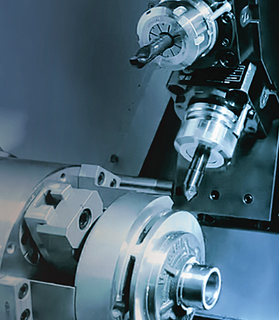


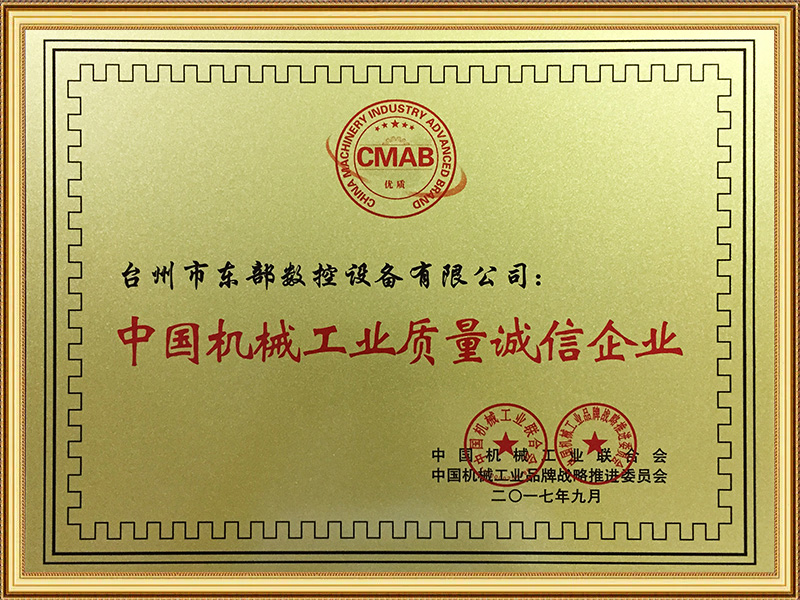



Introduction In the past two years, many small and medium-sized machine shops have faced a common set of challenges: difficulty in recruiting skilled labo...
READ MORECATEGORIES
CNC Slant Bed Lathe Series
CNC Slant Bed Lathe Advantages:
1. High Precision
2. High Efficiency
3. Strong Stability
4. Easy Operation
5. Application
Our CNC Slant Bed Lathe are suitable for processing needs in various industrial fields and are your ideal choice.
- Auto parts processing: Our CNC Slant Bed Lathe can be used to process various auto parts, such as engine parts, transmission systems, etc., to meet the needs of the automotive manufacturing industry for high-precision and high-efficiency processing.
- Aerospace parts processing: In the aerospace field, the accuracy and stability of parts are extremely high. Our products can meet these requirements and are widely used in the processing of aerospace parts.
- General machining: Our CNC Slant Bed Lathe can also be used in general machining fields, such as shaft parts processing, thread processing, etc., with a wide range of applications.
-
Details:
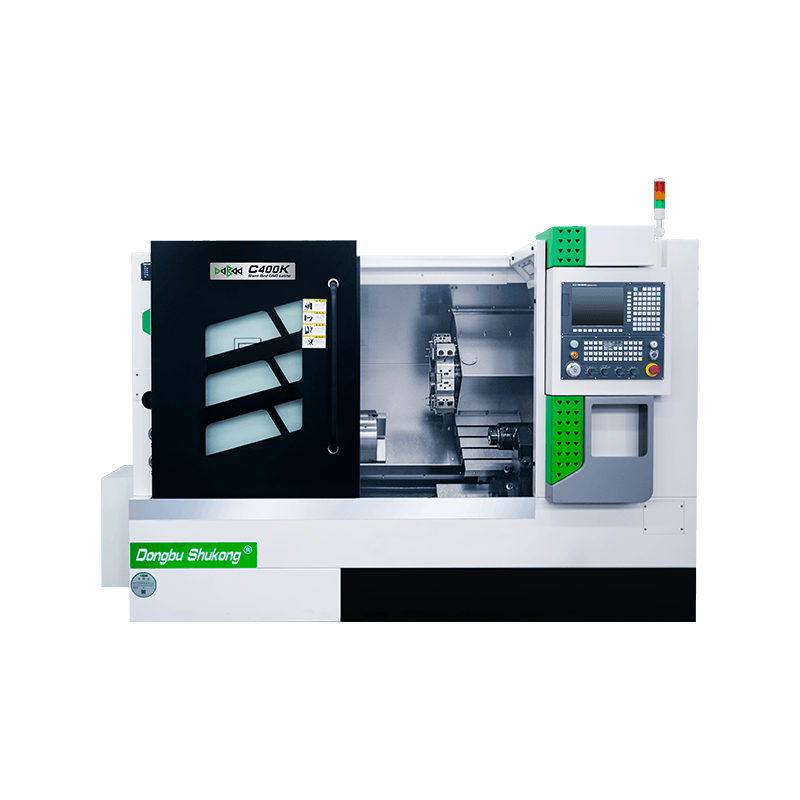
CNC Slant Bed Lathe C400K Feature: Adopts 45° Machine Bed, High Rigidity with Hydraulic Servo 8/12 T...view moreC400K CNC Slant Bed Lathe with High Accuracy
-
Details:
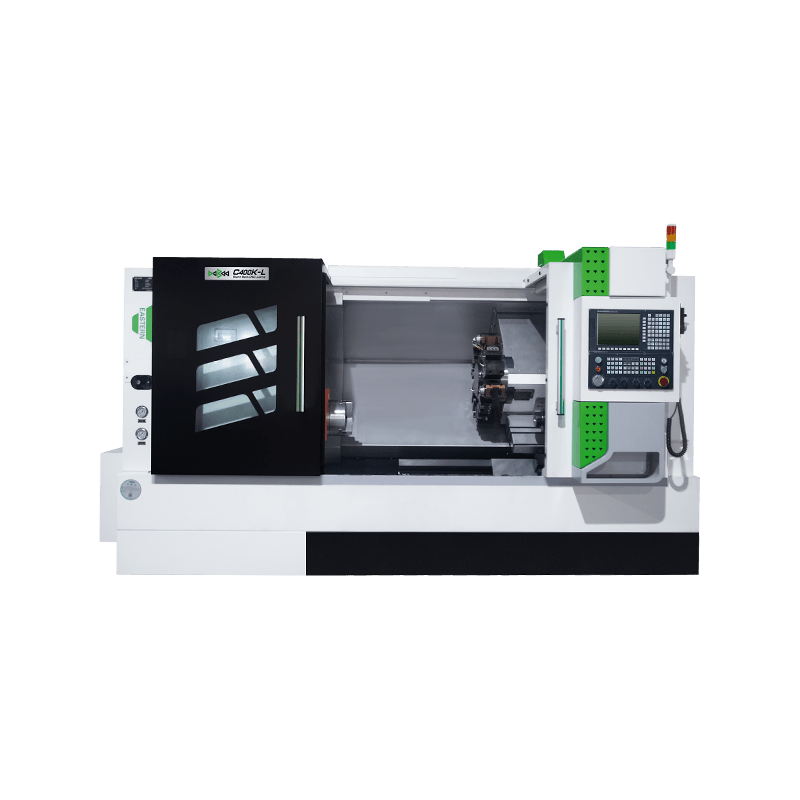
CNC Slant Bed Lathe C400K-L Feature Adopts 45° Machine Bed, High Rigidity with Hydraulic Servo 12 To...view moreC400K-L Long Shaft Processing CNC Slant Bed Lathe
-
Details:
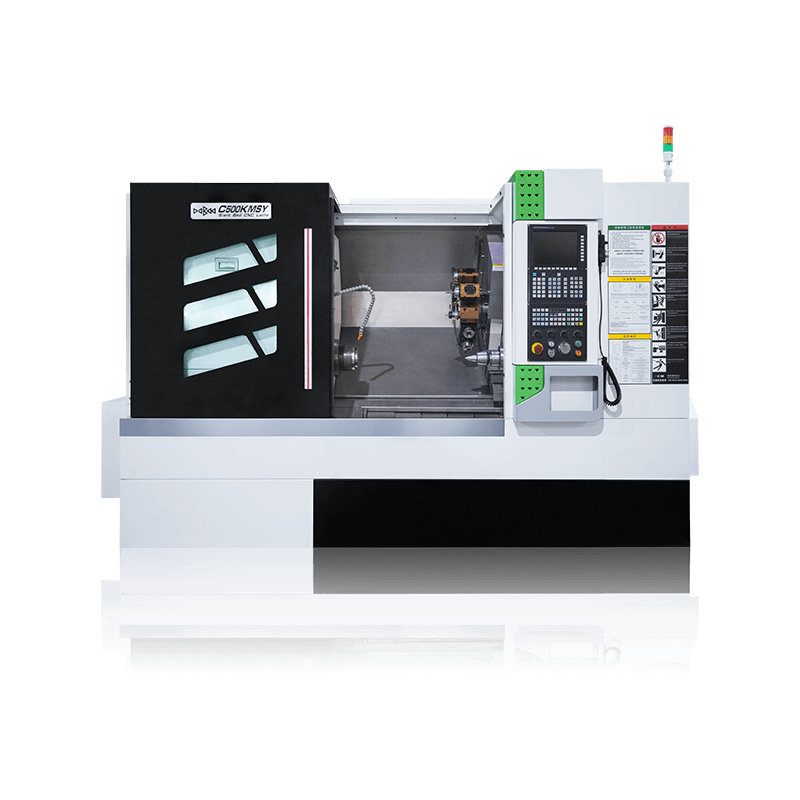
Slant Bed CNC Lathe C500K Feature Adopts 35°Machine Bed, High Rigidity with Hydraulic Servo 12 Tool ...view moreC500K MSY/C500K/C500K With Sub-Spindle Heavy Cutting Slant Bed CNC Lathe
-
Details:
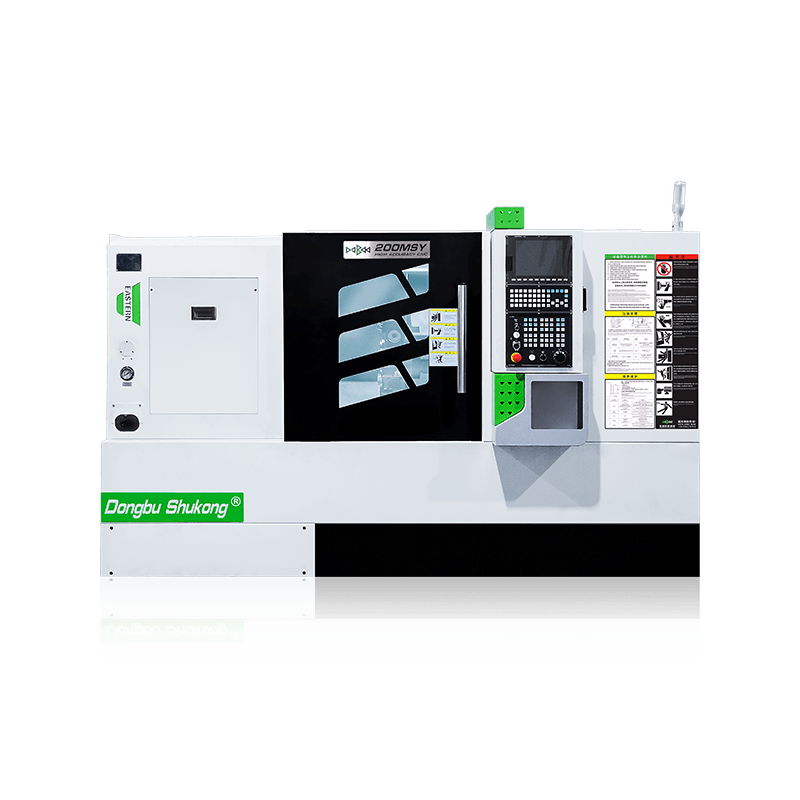
200MSY CNC Slant Bed Lathe Features Adopts 35°Machine Bed, High Rigidity Y-Axis with 12 Post Driven...view more200MSY/200MSY With Sub-Spindle Y-Axis CNC Slant Bed Lathe
-
Details:
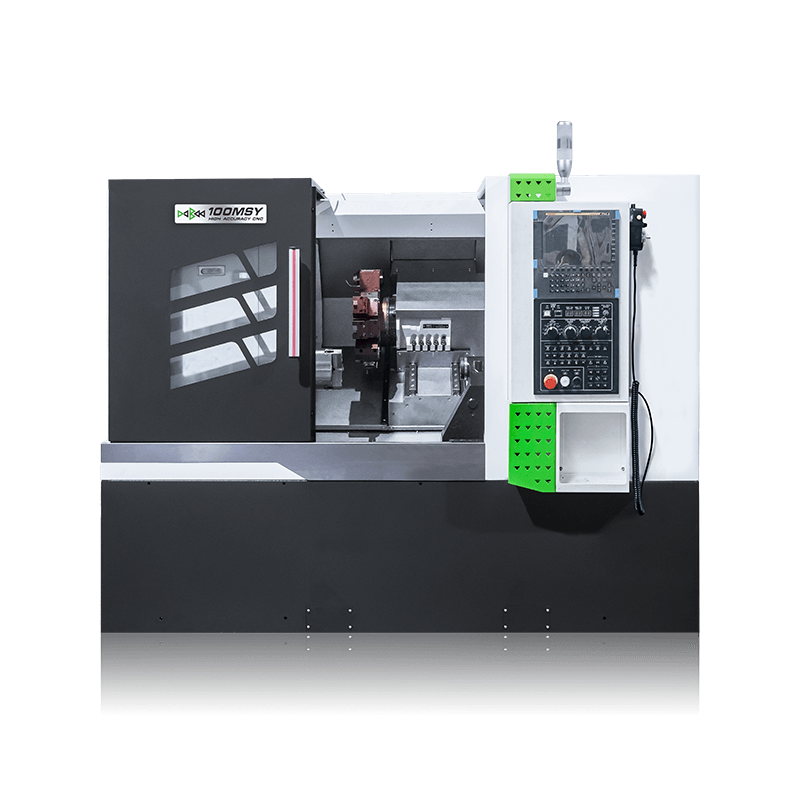
CNC Lathe Slant Bed 100MSY Feature Adopts 30°Machine Bed, High Rigidity Simulative Y-Axis with 12 Po...view more100MSY/100MSY With Sub-Spindle Y-Axis CNC Lathe Slant Bed
-
Details:
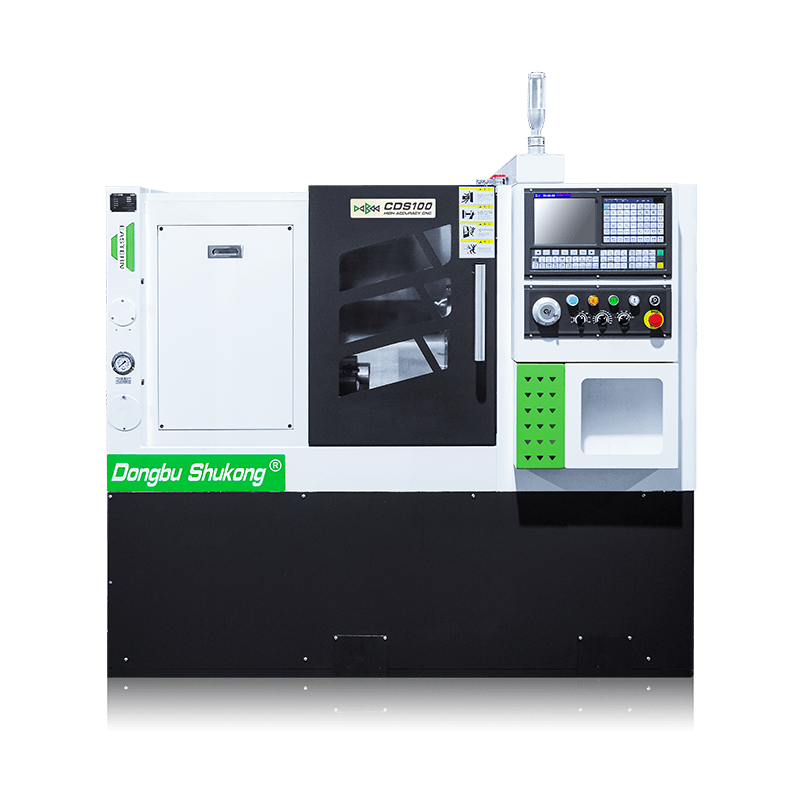
New CNC Slant Bed Lathe CDS 100 Series Feature Adopts 30° Machine Bed, High Rigidity with Hydraulic ...view moreCDS100/CDS100M/CDS100P New CNC Slant Bed Lathe with Bulit-in Spindle
-
Details:
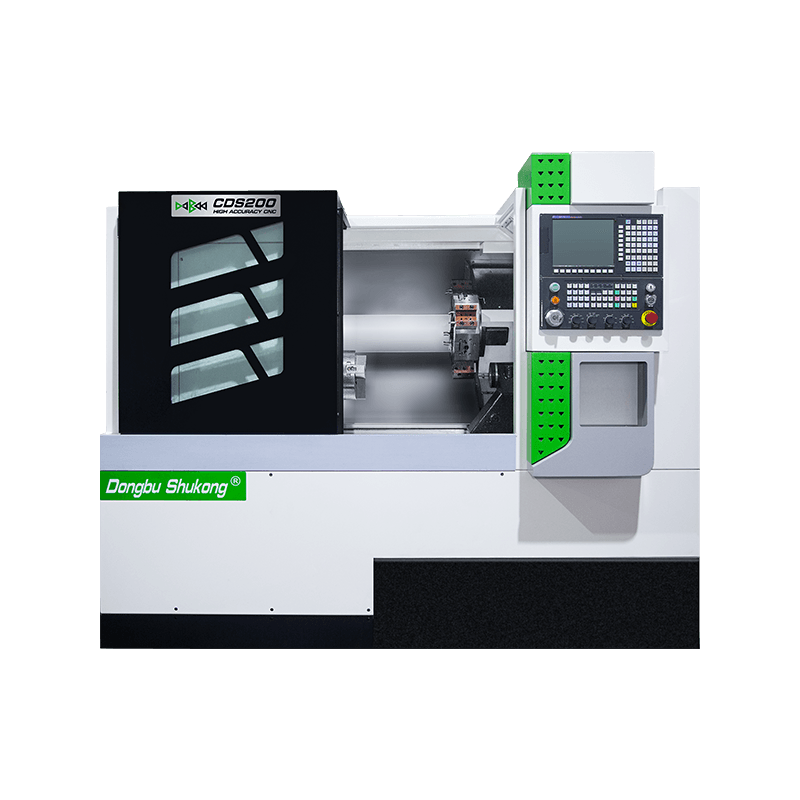
CNC Slant Bed CNC Lathe Machine CDS Series Feature Adopts 30° Machine Bed, High Rigidity with Hydrau...view moreCDS200/CDS200L/CDS200M CNC Slant Bed CNC Lathe Machine with Bulit-in Spindle
-
Details:
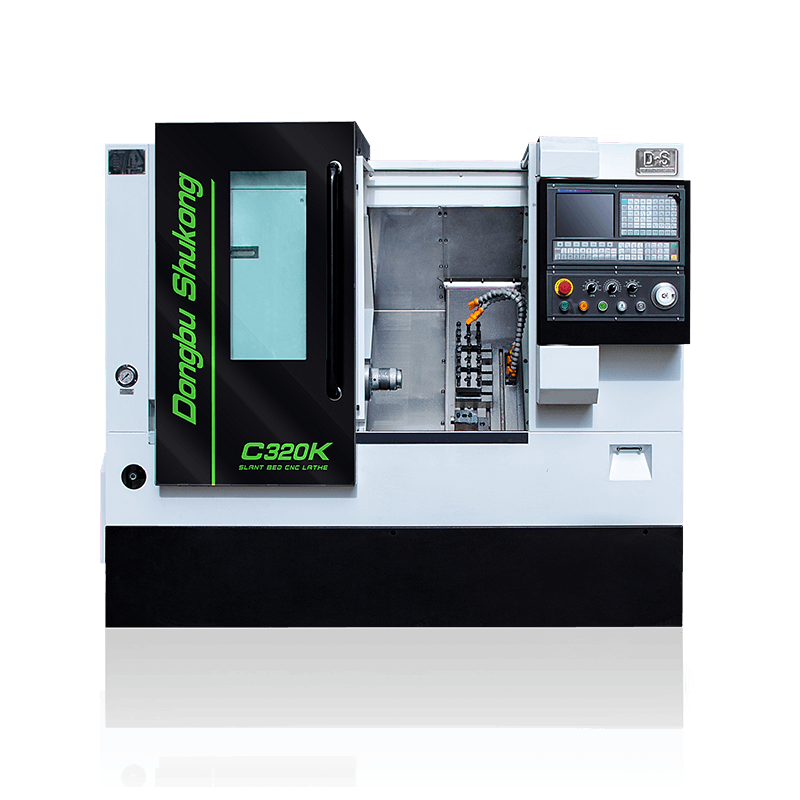
Slant CNC Lathe C320K Features Adopts 45°Machine Bed, with Gang Type, Hydraulic Through Chuck, witho...view moreC320K Slant CNC Lathe With Gang Tooling
-
Details:
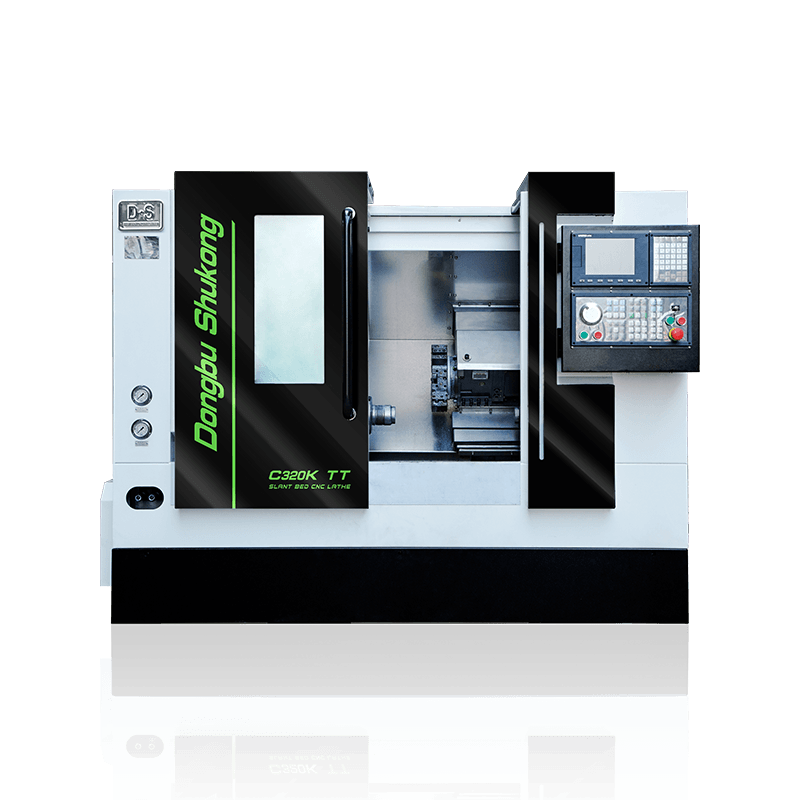
Slant CNC Lathe C320K TT Features Adopts 45° Machine Bed, High Rigidity with Hydraulic Servo 8/12 To...view moreC320K TT High Speed Slant CNC Lathe
-
Details:
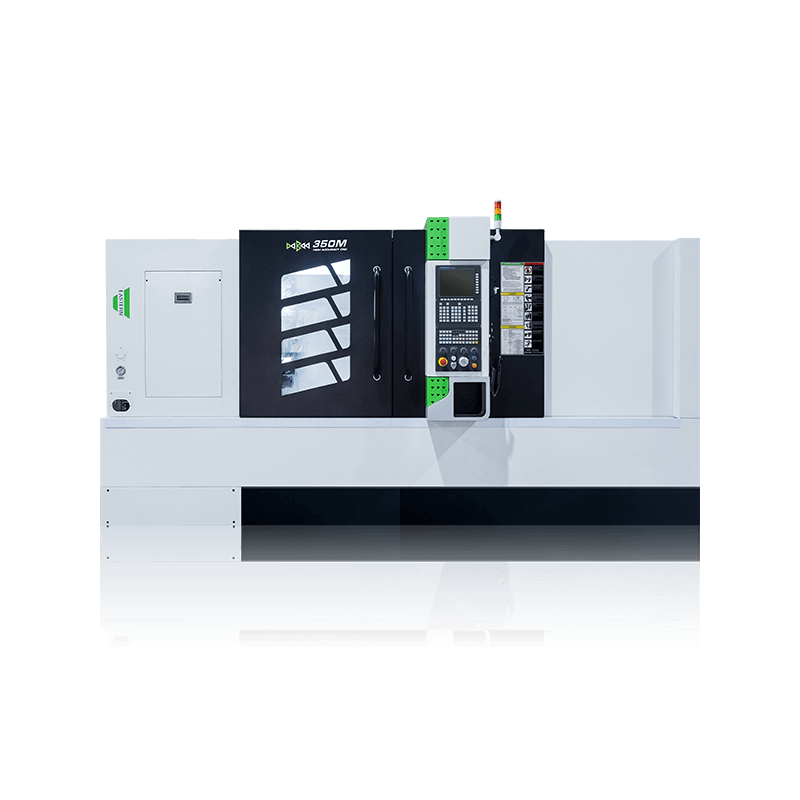
Slant Lathe 350M Series Features Adopts 35°Machine Bed, High Rigidity, with the Hydraulic Servo 12 T...view more350M/350M-L/350MS/350MS With Sub-Spindle Slant Lathe for Long Shaft Turning and Milling
-
Details:
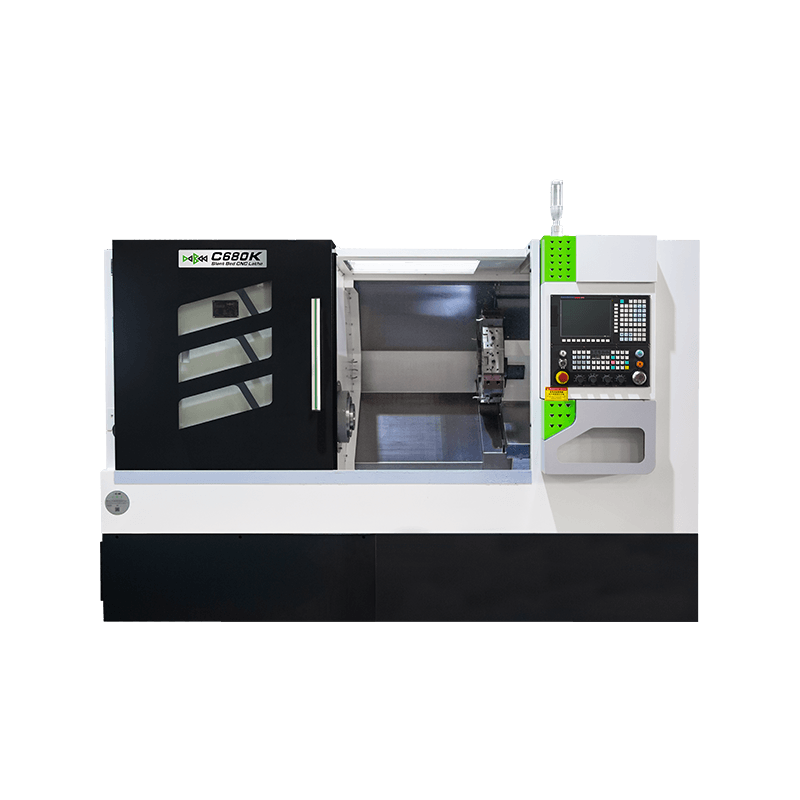
New Slant Bed Lathe C680K Feature: Adopts 35° Machine Bed, with Hydraulic Servo 12 Tool Post Turret,...view moreC680K/C680K-B/C680K-M New Slant Bed Lathe For Heavy Cutting
-
Details:
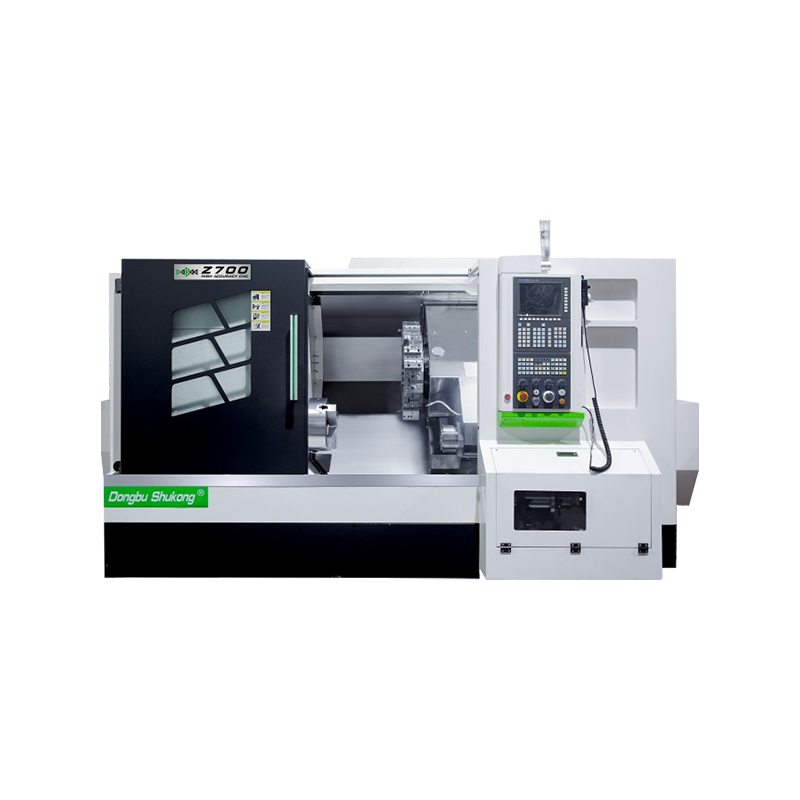
Z600/Z700 CNC Lathe Machine Specification CONFIGURATION Z600 Z700 MachiningCapacity Max. Swing ...view moreZ600/Z700 CNC Lathe Machine
About Us

Taizhou Eastern CNC Technology Co., Ltd.
We are a well-known brand that manufactures
Honor
News
-
-
Overview Talk to anyone who's actually run a metalworking lathe for a living, and one thing comes up again and again: get the machine wrong, and every ste...
READ MORE -
Abstract Double-turret CNC lathes and dual-spindle CNC lathes are two machine tool configurations frequently discussed together in the field of precision ...
READ MORE -
Abstract As the demand for precision manufacturing continues to evolve, Y-axis lathes are increasingly becoming a focal point for manufacturing enterprise...
READ MORE -
In April 2026, the 14th China CNC Machine Tool Exhibition (CCMT2026) concluded successfully in Shanghai. The event brought together numerous renowned dome...
READ MORE
Industry knowledge
Introduction to CNC Slant Bed Lathes
A CNC slant bed lathe is a type of CNC machine tool commonly used for machining rotating metal parts. Its bed is designed at a certain angle of inclination, which, compared to the traditional flat bed structure, better meets the modern processing demands for efficiency and stability. This type of equipment usually works with a CNC system to achieve automated turning, cutting, drilling, and tapping operations.
The slant bed structure allows chips to fall naturally under gravity, helping to keep the machining area clean and reducing the impact of chip accumulation on machining accuracy. At the same time, the overall structure exhibits a good balance in rigidity and thermal stability, making it suitable for long-term continuous processing.
Main Features of CNC Slant Bed Lathes:
- Slanted bed layout, facilitating chip removal
- Compact arrangement of tool turret and spindle
- Suitable for multi-process integrated machining
- Supports automated loading and unloading configurations
Structural Component Comparison Table
| Component | Function Description |
| Slant Bed | Provides support and improves chip removal |
| Spindle System | Enables workpiece rotation |
| CNC System | Controls the machining path |
| Tool Turret | Mounts multiple tools |
CNC slant bed lathes are widely used in mechanical manufacturing, parts processing, and other fields, and are one of the common pieces of equipment in modern turning operations.
Structural Differences Between CNC Slant Bed Lathes and Flat Bed Lathes
In turning equipment, CNC slant bed lathes and flat bed lathes have significant differences in structural design, which directly affect the machining method and user experience. The bed of a slant bed lathe is usually inclined at 30° or 45°, while a flat bed lathe has a horizontal structure.
The inclined structure makes the force distribution between the tool holder and the spindle more reasonable, helping to improve overall rigidity. At the same time, the chip removal path is smoother, reducing the frequency of manual cleaning. Flat bed lathes, on the other hand, have a relatively simple structure and straightforward maintenance. Main Structural Differences Listed:
- Different bed angles
- Different chip removal methods
- Different turret arrangements
- Different operating space layouts
Structural Differences Comparison Table
| Item | Slant Bed Lathe | Flat Bed Lathe |
| Bed Shape | Inclined | Horizontal |
| Chip Removal Effect | Smoother | Prone to accumulation |
| Rigidity Performance | More balanced | Dependent on bed weight |
From a structural perspective, CNC Slant Bed Lathes are more suitable for multi-process and continuous machining environments, while flat bed lathes are commonly used in traditional machining scenarios.
What types of parts are suitable for machining on a slant bed CNC lathe?
CNC Slant Bed Lathes are mainly used for machining rotating parts, especially suitable for workpieces that require consistent dimensions and machining cycles. Its structural characteristics make it perform stably in the machining of small and medium-sized parts.
Common machining objects include shafts, sleeves, and disc-shaped parts, as well as parts that require multiple processes to be completed in one go. With power tools, composite machining can also be achieved, reducing workpiece handling.
Suitable Part Types:
- Shaft parts
- Flange and disc-shaped parts
- High-precision batch parts
- Parts requiring combined turning and drilling
Part Type Examples Table
| Part Type | Machining Characteristics |
| Shafts | Coaxiality requirements |
| Sleeves | Inner and outer diameter fit |
| Discs | End face machining |
Overall, CNC slant bed lathes have high applicability in multi-variety, small-batch, and mass production.
What parameters should be considered when purchasing a slant bed CNC lathe?
When choosing a CNC Slant Bed Lathe, focusing on key technical parameters helps to match actual machining needs. Different parameter combinations determine the machining range and efficiency of the equipment.
Common parameters include bed inclination angle, big machining diameter, spindle speed, and turret tool positions. In addition, comprehensive consideration should be given to workshop space and power conditions.
Key Parameter Focus Points:
- Maximum turning diameter
- Spindle through-hole size
- CNC system type
- Turret type and number of tool positions
Key Parameter Reference Table
| Parameter Name | Meaning |
| Spindle speed | Affects cutting speed |
| Machining length | Determines part size |
| Bed inclination angle | Affects chip removal and operation |
Reasonable evaluation of parameter configuration helps in selecting a slant bed CNC lathe that meets machining needs.
How to Choose the Right CNC Slant Bed Lathe?
Choosing the right CNC slant bed lathe requires analyzing various factors, including processing requirements, production methods, and operating environment. Clearly defining the types of parts to be machined is a crucial prerequisite.
For users primarily engaged in mass production, focus on automation expansion capabilities; while multi-product processing requires a more flexible configuration. Ease of maintenance and operator familiarity should also be considered.
Key points to consider when choosing:
- Workpiece size and material
- Whether composite machining is required
- Operator skill level
- Ease of maintenance
Selection Considerations Reference Table
| Requirement | Corresponding Configuration |
| Mass Production | Automation Interface |
| Multi-process | Powered Tools |
| Precision Requirements | Stable Bed Structure |
By systematically analyzing your needs and comparing configuration options, you can more effectively choose a CNC slant bed lathe that suits your production requirements.
CNC Slant Bed Lathe Frequently Asked Questions
1. What is a CNC Slant Bed Lathe?
A CNC Slant Bed Lathe is a numerically controlled lathe with a slanted bed design. The slanted bed design facilitates chip removal, reduces vibration, and improves machining stability and accuracy, making it suitable for machining shafts, discs, and complex parts.
2. What are the differences between a CNC Slant Bed Lathe and a flat-bed lathe?
Slant bed lathes have an inclined bed, generally offering better chip removal and cutting rigidity. Compared to flat-bed lathes, they perform more stably in the machining of long shaft parts, and are particularly suitable for automated production.
3. What materials can a CNC Slant Bed Lathe machine?
It can typically machine various metal materials, such as steel, aluminum, copper, and alloys, and can also be used for some engineering plastics and non-metallic materials. Specific machining performance depends on the tool type and cutting parameters.
4. Is it difficult for beginners to learn how to use a CNC Slant Bed Lathe?
Beginners need to master basic operation, machine structure, G-code programming, and tool selection. Through systematic learning and practical operation, beginners can gradually become proficient.
5. How to ensure machining accuracy?
Machining accuracy is affected by various factors, including machine rigidity, tool wear, clamping method, cutting parameters, and ambient temperature. Reasonable process design and regular maintenance can effectively improve accuracy.
6. How to perform daily maintenance on a CNC Slant Bed Lathe?
Daily maintenance includes keeping the machine clean, checking the lubrication system, regularly replacing wear parts, calibrating machine geometric accuracy, and checking the electrical system. Regular maintenance helps extend machine life and ensure machining stability.
How to buy CNC machine tools
-
01
Contact Us
All of your quotes will be answered within 2 hours by our professional sales support.
-
02
Get A Free Quote
Use reliable parts and components to ensure product quality.
-
03
Fast Delivery
You can expect your order fulfilled within 60 days after placing the order.
-
04
After-sale Support
All our products come with a one-year warranty.

-

-

sales@east-cnc.com
-

Shangma Industry Area, Shitang Town, Wenling City, Taizhou, Zhejiang, China.
-

Products
Message
Copyright © Taizhou Eastern CNC Technology Co., Ltd.

Wholesale Slant Bed Lathe Privacy Policy