


 English
 русский
 Español
 عربى
عربى 简体中文
简体中文
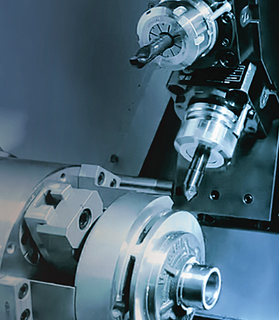





Overview Talk to anyone who's actually run a metalworking lathe for a living, and one thing comes up again and again: get the machine wrong, and every ste...
READ MORECNC Lathe Machine
CATEGORIES
CNC Lathe Machine Factory
-
Details:
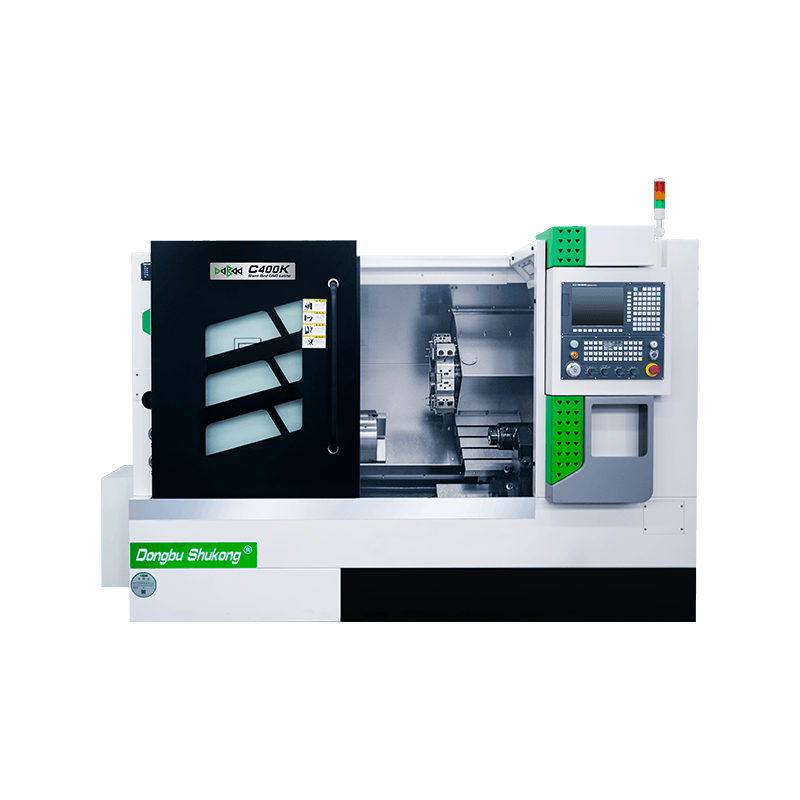
CNC Slant Bed Lathe C400K Feature: Adopts 45° Machine Bed, High Rigidity with Hydraulic Servo 8/12 T...view moreC400K CNC Slant Bed Lathe with High Accuracy
-
Details:
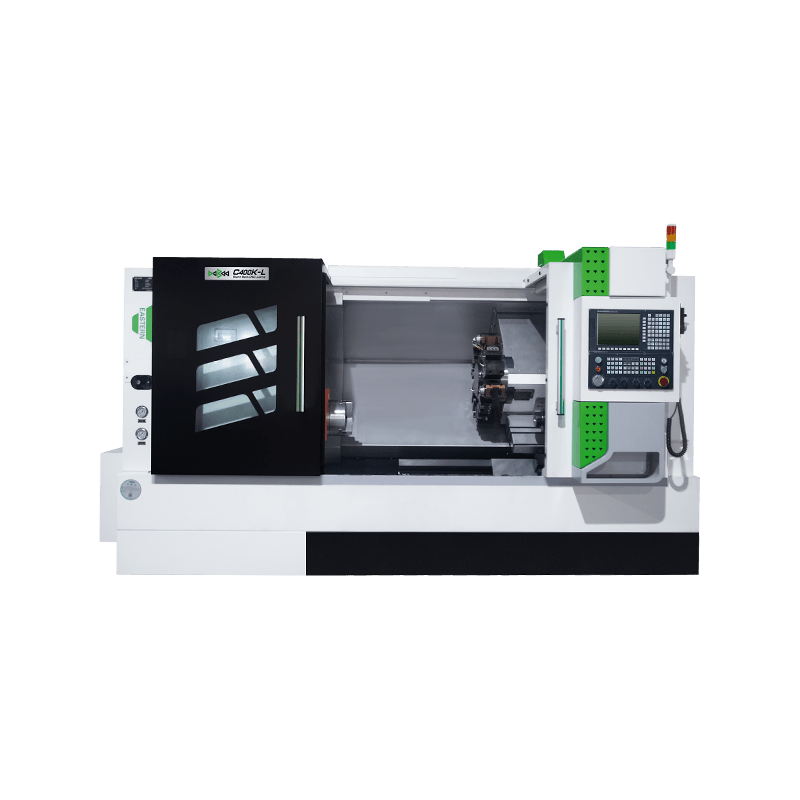
CNC Slant Bed Lathe C400K-L Feature Adopts 45° Machine Bed, High Rigidity with Hydraulic Servo 12 To...view moreC400K-L Long Shaft Processing CNC Slant Bed Lathe
-
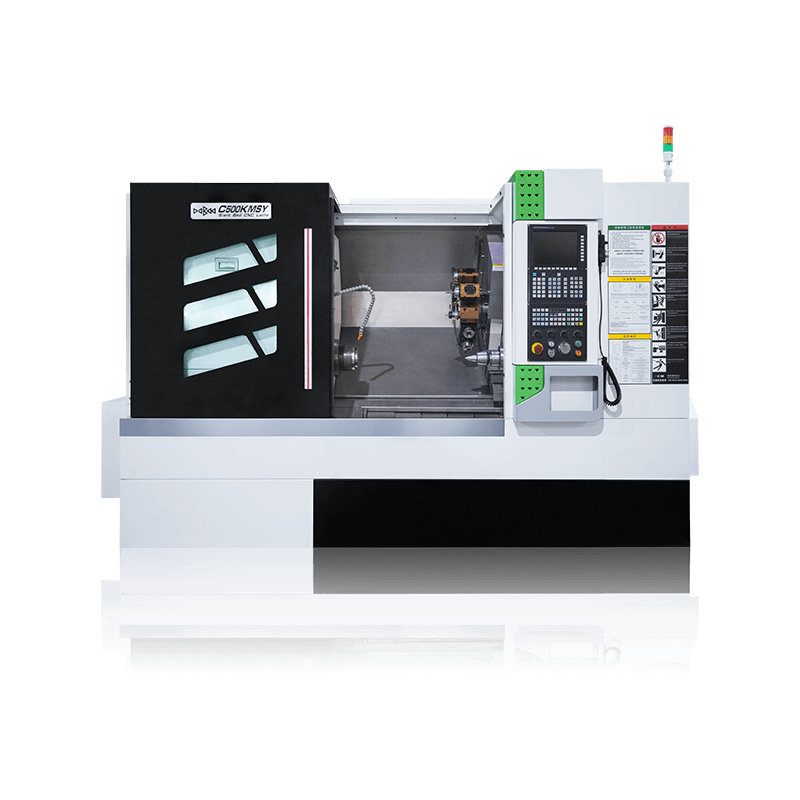
Details:
Slant Bed CNC Lathe C500K Feature Adopts 35°Machine Bed, High Rigidity with Hydraulic Servo 12 Tool ...view moreC500K MSY/C500K/C500K With Sub-Spindle Heavy Cutting Slant Bed CNC Lathe
-
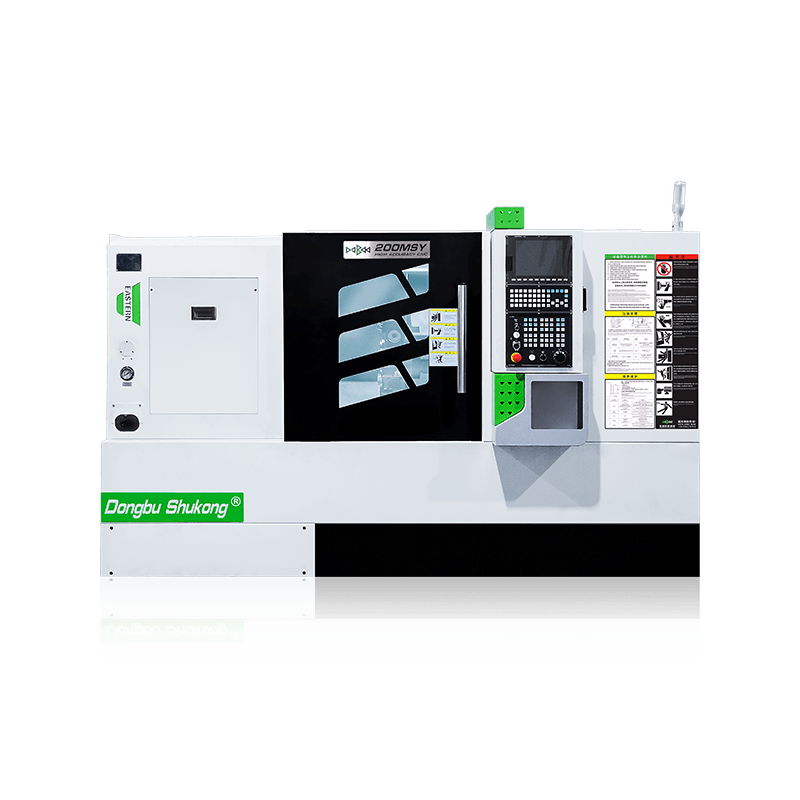
Details:
200MSY CNC Slant Bed Lathe Features Adopts 35°Machine Bed, High Rigidity Y-Axis with 12 Post Driven...view more200MSY/200MSY With Sub-Spindle Y-Axis CNC Slant Bed Lathe
-
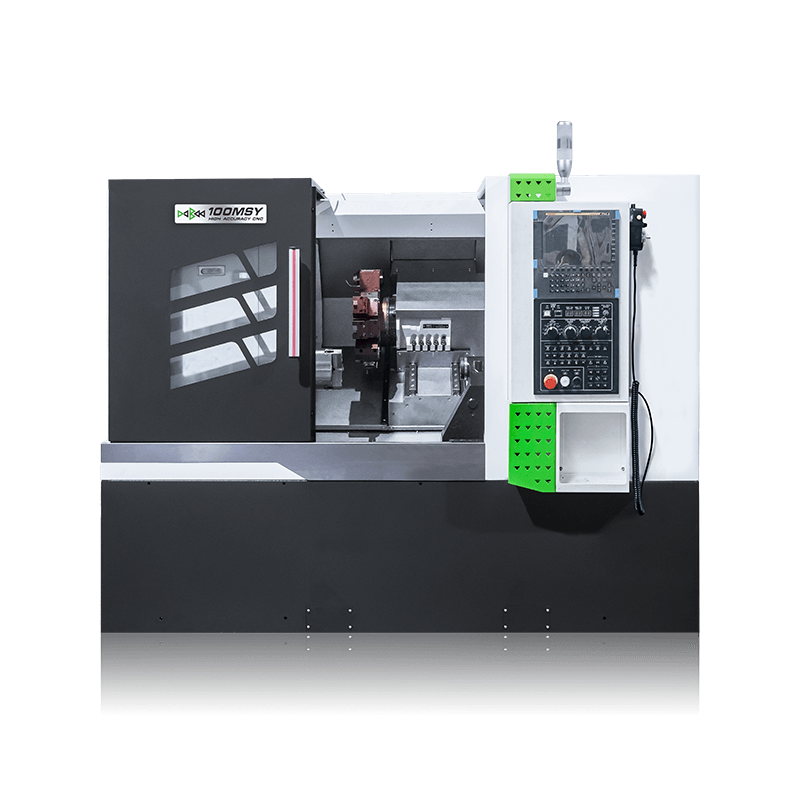
Details:
CNC Lathe Slant Bed 100MSY Feature Adopts 30°Machine Bed, High Rigidity Simulative Y-Axis with 12 Po...view more100MSY/100MSY With Sub-Spindle Y-Axis CNC Lathe Slant Bed
-
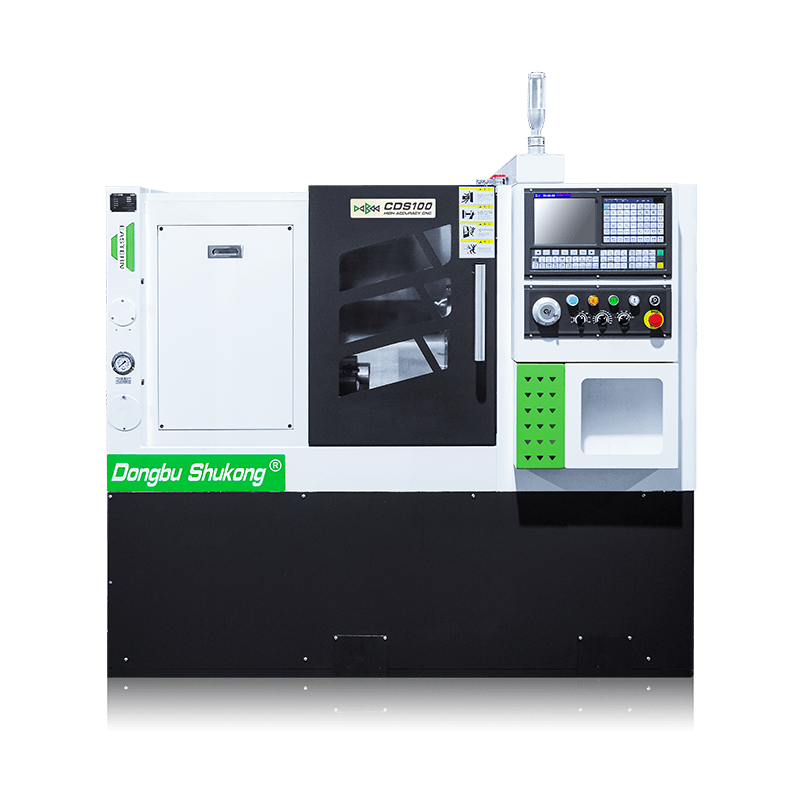
Details:
New CNC Slant Bed Lathe CDS 100 Series Feature Adopts 30° Machine Bed, High Rigidity with Hydraulic ...view moreCDS100/CDS100M/CDS100P New CNC Slant Bed Lathe with Bulit-in Spindle
-
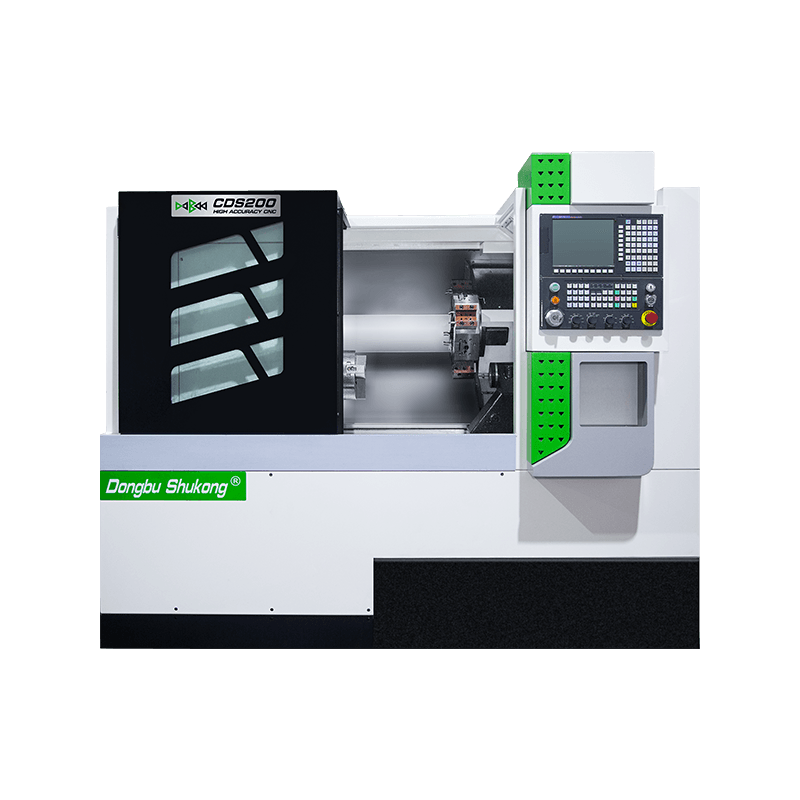
Details:
CNC Slant Bed CNC Lathe Machine CDS Series Feature Adopts 30° Machine Bed, High Rigidity with Hydrau...view moreCDS200/CDS200L/CDS200M CNC Slant Bed CNC Lathe Machine with Bulit-in Spindle
-
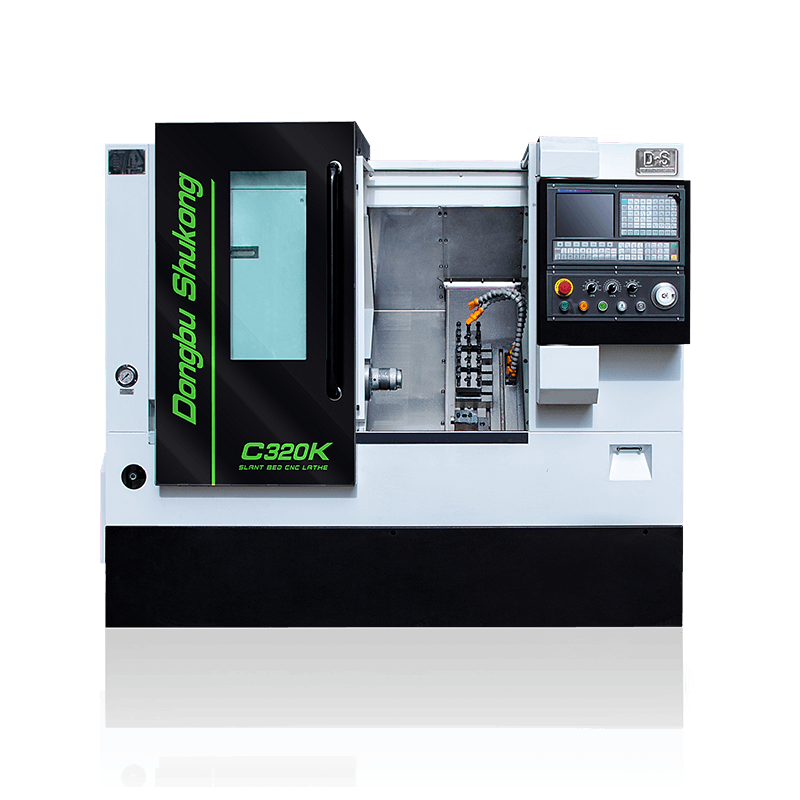
Details:
Slant CNC Lathe C320K Features Adopts 45°Machine Bed, with Gang Type, Hydraulic Through Chuck, witho...view moreC320K Slant CNC Lathe With Gang Tooling
-
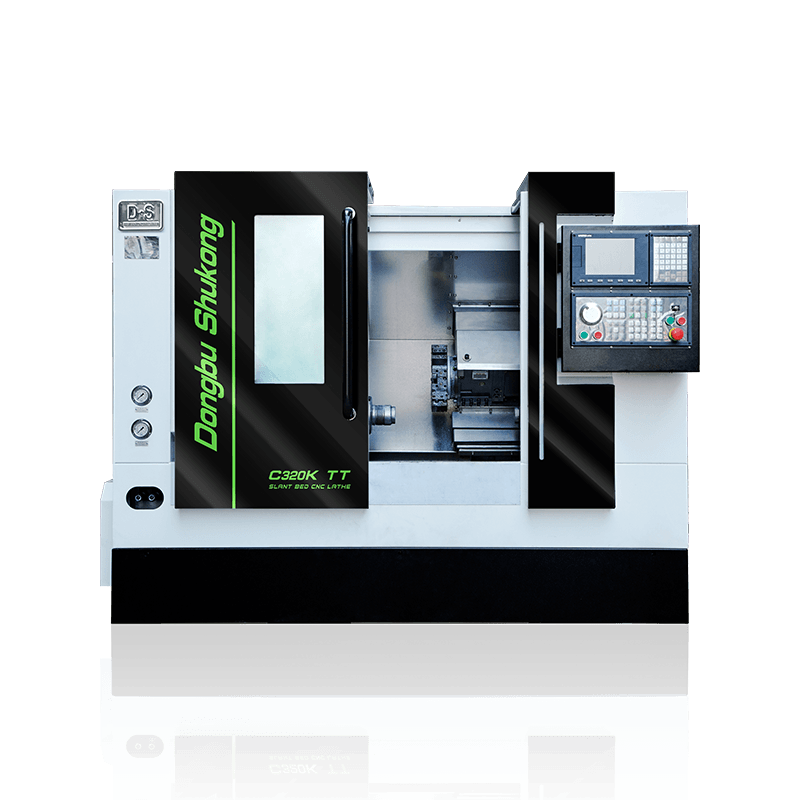
Details:
Slant CNC Lathe C320K TT Features Adopts 45° Machine Bed, High Rigidity with Hydraulic Servo 8/12 To...view moreC320K TT High Speed Slant CNC Lathe
-
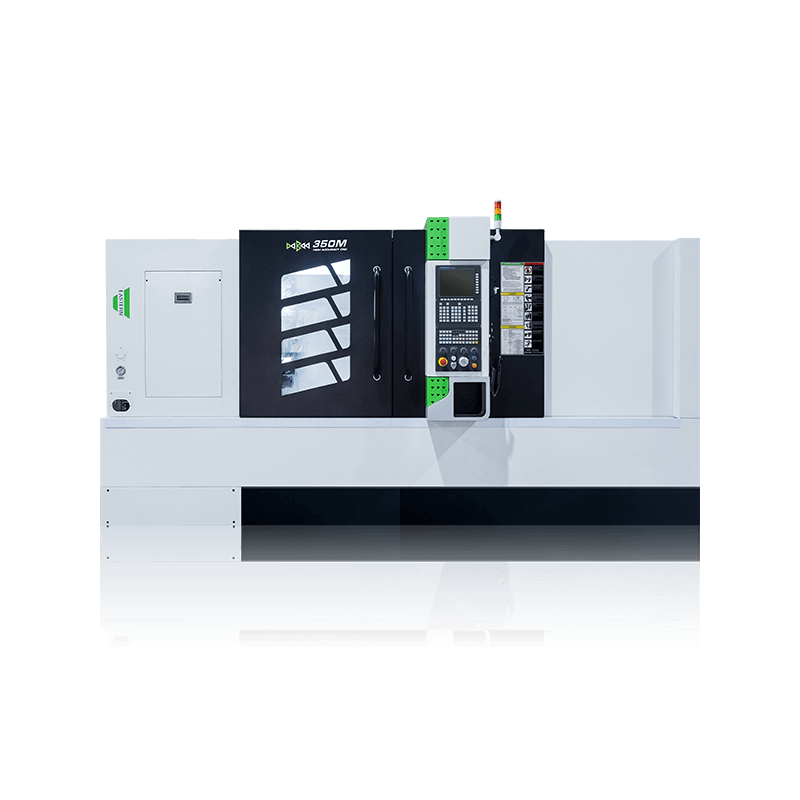
Details:
Slant Lathe 350M Series Features Adopts 35°Machine Bed, High Rigidity, with the Hydraulic Servo 12 T...view more350M/350M-L/350MS/350MS With Sub-Spindle Slant Lathe for Long Shaft Turning and Milling
-
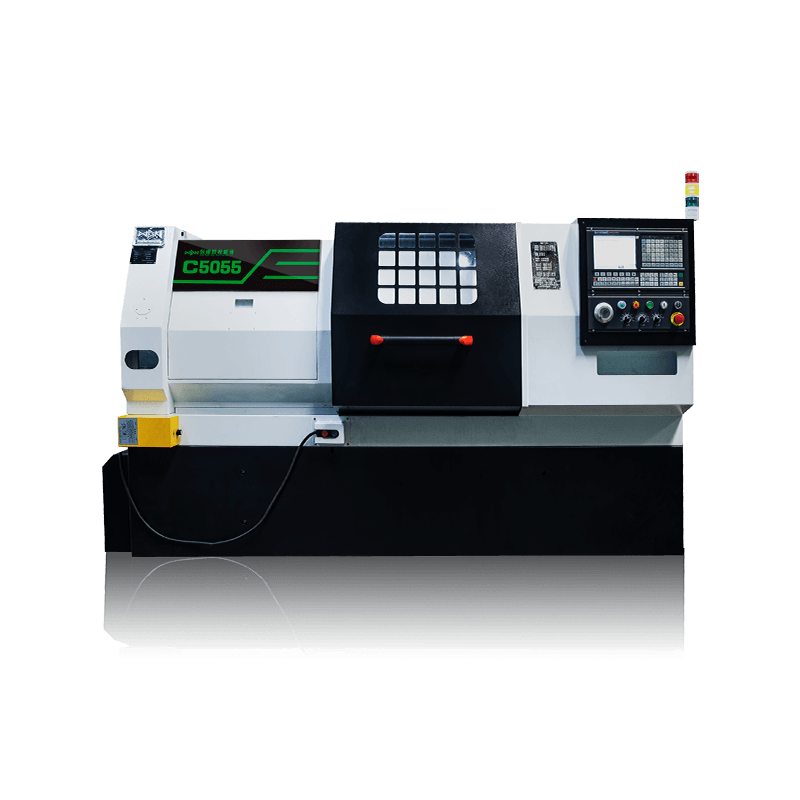
Details:
Horizontal CNC Lathe C5055 Features Flat Bed Lathe, Gear Shift, standard with Hydraulic Through Chu...view moreC5055/C5055-B Horizontal CNC Lathe for Heavy Cutting
-
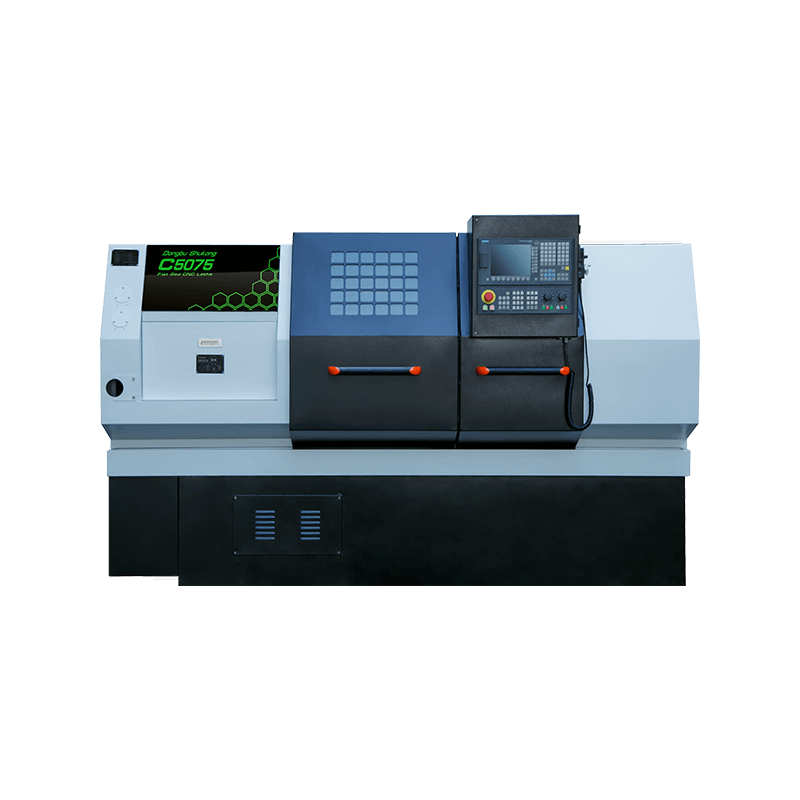
Details:
CNC Horizontal Lathe Machine C5075 Series Features Flat Bed Lathe, Gear Shift, standard with Manual ...view moreC5075/C5075B Horizontal Lathe Machine for Heavy Cutting
About Us
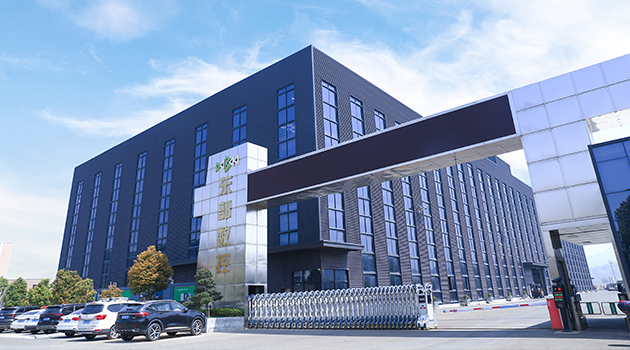
Taizhou Eastern CNC Technology Co., Ltd.
We are a well-known brand that manufactures
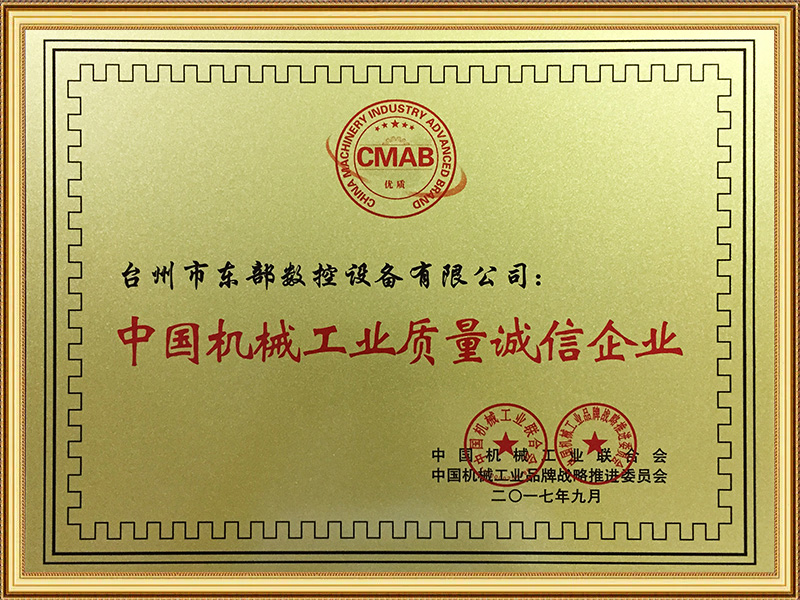
Honor
News
-
-
Abstract Double-turret CNC lathes and dual-spindle CNC lathes are two machine tool configurations frequently discussed together in the field of precision ...
READ MORE -
Abstract As the demand for precision manufacturing continues to evolve, Y-axis lathes are increasingly becoming a focal point for manufacturing enterprise...
READ MORE -
In April 2026, the 14th China CNC Machine Tool Exhibition (CCMT2026) concluded successfully in Shanghai. The event brought together numerous renowned dome...
READ MORE -
What is a Sub-Spindle CNC Lathe? A Sub Spindle Lathe is an advanced version of a standard CNC lathe that incorporates an additional sub-spindle capable of...
READ MORE
Industry knowledge
CNC Lathe Machine Working Principle Explained (Must-Read for Beginners)
CNC lathe machines are a widely used type of equipment in modern mechanical processing. They use a numerical control (NC) system to precisely control the machine's movement, achieving high-precision turning of metal or non-metallic materials. For beginners, understanding the working principle of a CNC lathe machine is a crucial one step in learning CNC machining.
From an overall structural perspective, a CNC lathe machine mainly consists of a bed, spindle system, feed system, tool post system, numerical control system, and auxiliary devices. The bed is the basic component of the machine tool, providing support and positioning; its rigidity directly affects machining stability. The spindle system is responsible for rotating the workpiece and is the core of the turning motion; the feed system controls the movement of the tool in different directions to achieve the cutting trajectory.
The core of a CNC lathe machine lies in its numerical control system. The operator writes a program to convert the machining drawing into NC code. After reading the program, the NC system controls the spindle speed, tool feed speed, and movement path according to the instructions. The entire machining process no longer relies on manual operation but is completed automatically by the system, significantly improving machining accuracy and repeatability.
In actual operation, the workpiece is usually mounted on the spindle using a chuck or fixture. As the spindle rotates, the tool moves along the set trajectory under the control of the NC system, cutting the surface of the workpiece. By continuously changing tools and adjusting the program, the CNC lathe machine can complete various machining tasks such as outer diameter turning, inner hole machining, end face machining, and threading.
Compared with traditional lathes, the advantage of CNC lathe machines lies in the highly controllable machining process. The NC system can monitor position and speed in real time, reducing human error. At the same time, through parameter settings, the machining method can be flexibly adjusted according to different materials and process requirements.
For beginners, understanding the working principle of a CNC lathe machine is not only helpful in mastering operating methods but also lays a good foundation for subsequent programming, debugging, and troubleshooting. Only by truly understanding "how" the machine "thinks" and "moves" can you better utilize the machining potential of the CNC lathe.
10 Essential Skills Every CNC Lathe Operator Must Master
In the process of using a CNC lathe machine, the operator's skill level directly affects machining quality and production efficiency. Even with high-performance equipment, achieving ideal machining results is difficult without proper operation. The following are ten fundamental skills that CNC lathe operators need to master.
First, blueprint reading ability. Operators need to accurately understand part drawings, including dimensions, tolerances, and technical requirements, which is a prerequisite for correct programming and machining. Second, basic programming skills. Even with automatic programming software, understanding the basic structure and common commands of CNC programs is essential.
Third, machine tool operation procedures. This includes basic processes such as power-on, homing, tool setting, and trial runs, ensuring the CNC lathe machine operates safely. Fourth, tool selection and installation. Different materials and processes require matching appropriate tools, and correct installation reduces vibration and wear.
Fifth, workpiece clamping skills. Stable and reasonable clamping methods are crucial for ensuring machining accuracy. Sixth, parameter setting ability. Proper setting of spindle speed, feed rate, and cutting depth helps improve machining quality and extend tool life.
Seventh, machining process monitoring. Operators need to monitor the cutting status during CNC lathe machine operation and promptly identify any abnormalities. Eighth, basic measurement skills. Using measuring tools to inspect machined parts ensures they meet requirements.
Ninth, daily maintenance awareness. Keeping the machine clean and well-lubricated contributes to long-term stable operation. Tenth, safety awareness. Strictly adhering to safety regulations avoids risks caused by improper operation.
Mastering these basic skills will help operators use CNC lathe machines more efficiently and lay the foundation for further technical advancement.
Applications of CNC Lathe Machines in Precision Parts Machining
With the increasing demands for precision in manufacturing, the role of CNC lathe machines in precision parts machining is becoming increasingly prominent. Whether in mechanical manufacturing, electronic equipment, or other industrial fields, CNC lathes play a vital role.
In precision parts machining, dimensional stability and surface quality are key indicators. CNC lathe machines, through precise control of tool movement by the CNC system, can control errors within a small range, thus meeting high-precision machining requirements. At the same time, a stable machining process also helps to achieve better surface finish.
For common structures such as shaft parts and sleeve parts, CNC lathe machines can complete multiple processes with a single clamping, reducing errors caused by repeated positioning. This machining method not only improves accuracy but also increases overall efficiency. In the processing of small batches of diverse precision parts, the flexibility of CNC lathes is particularly outstanding. Different parts can be processed by simply modifying the program, eliminating the need for frequent equipment changes. For parts requiring repeated verification of dimensions and processes, CNC lathe machines provide stable and repeatable machining results.
In addition, CNC lathes are suitable for use in conjunction with inspection equipment, enabling effective integration of processing and inspection. This approach helps to identify deviations and make adjustments in a timely manner, further improving the yield rate of precision parts.
Overall, CNC lathe machines have become indispensable equipment in precision parts processing, providing reliable technical support for modern manufacturing.
The Core Role of CNC Lathes in Automated Production Lines
In automated production lines, CNC lathe machines play a crucial role. With accelerating production rhythms and changing labor costs, more and more companies are choosing to integrate CNC lathes into their automated systems.
In an automated environment, CNC lathe machines typically work in conjunction with loading and unloading devices, transfer systems, and control systems. Through pre-set programs, the machine can continuously process multiple workpieces, reducing manual intervention. This helps to improve the stability of the production cycle.
Automated production lines emphasize consistency and continuity. CNC lathe machines have the characteristic of high repeatability, maintaining relatively stable processing quality during long-term operation. This is especially important for mass production.
At the same time, CNC lathes have strong adaptability in automated production lines. Through program adjustments, processing tasks can be quickly switched to meet the production needs of different products. This flexibility gives the production line more room for adjustment when facing market changes.
Furthermore, in automated systems, CNC lathe machines can also be connected to information management systems to achieve the collection and analysis of production data. This helps to optimize process parameters and improve overall production efficiency.
Therefore, in modern automated production lines, CNC lathe machines are not only processing equipment, but also important nodes connecting processes, efficiency, and quality.
Common FAQs about CNC Lathe Machines
In the actual use of CNC lathe machines, users often encounter various problems. The following are some common questions and brief explanations.
Question 1: What materials are suitable for processing with CNC lathe machines?
Generally, CNC lathes are suitable for a variety of metals and some non-metallic materials, depending on the choice of tools and processes.
Question 2: Is it difficult for beginners to learn how to use a CNC lathe machine?
As long as you master the basic principles and operating procedures, and through systematic learning, even beginners can gradually become proficient in using the machine.
Question 3: What factors affect machining accuracy?
Machine tool condition, tool wear, clamping method, and parameter settings all affect accuracy.
Question 4: How to improve machining efficiency?
Reasonable programming, selecting appropriate tools, and optimizing process parameters can help improve the overall efficiency of the CNC Lathe Machine.
Question 5: Is daily maintenance important?
Daily maintenance is crucial for maintaining machine performance, reducing malfunctions, and extending its service life.
By understanding these common questions, users can use the CNC Lathe Machine more rationally and achieve more stable machining results in actual production.
How to buy CNC machine tools
-
01
Contact Us
All of your quotes will be answered within 2 hours by our professional sales support.
-
02
Get A Free Quote
Use reliable parts and components to ensure product quality.
-
03
Fast Delivery
You can expect your order fulfilled within 60 days after placing the order.
-
04
After-sale Support
All our products come with a one-year warranty.

-

-

sales@east-cnc.com
-

Shangma Industry Area, Shitang Town, Wenling City, Taizhou, Zhejiang, China.
-

Products
Message
Copyright © Taizhou Eastern CNC Technology Co., Ltd.

CNC Metal Lathe For Sale Privacy Policy