


 English
 русский
 Español
 عربى
عربى 简体中文
简体中文
Contact Us
All of your quotes will be answered within 2 hours by our professional sales support.
Industry News
 2026.02.06
 Industry News
Vertical lathes (VTLs) are seeing continued expansion in their application in the machining of large components. With increasing numbers of overseas customers raising more detailed and rational technical questions during the selection process, discussions are focusing on structural forms, guide rail selection, and the suitability of different types of lathes for various applications.
If a vertical lathe uses ball screw linear guides, how does its rigidity compare to that of box-type guides?
Box-type guides have long been considered the mainstream configuration for heavy-duty machine tools, characterized by their large contact area and good damping performance, making them suitable for long-term stable cutting. However, with advancements in manufacturing precision and material technology for ball screw linear guides, their application in vertical lathes is gradually maturing.
Vertical lathes using high-specification ball screw linear guides, through multi-slider symmetrical arrangement, increased guide rail cross-section, and optimized force direction design, can provide reliable structural support while ensuring motion accuracy. With reasonable structural design and pre-tension control, linear guides offer significant advantages in dynamic response, positioning accuracy, and high-speed feed, making them particularly suitable for machining scenarios requiring high throughput and consistency.
Based on actual application feedback from export markets, ball screw linear guides are not synonymous with "light cutting." In the machining of large disc-shaped parts, flanges, valve bodies, and rotating parts, their overall performance can meet the needs of more industrial sectors.
Application Differences and Selection Recommendations for Different Types of CNC Lathes
In the selection process of CNC lathes, different structural forms of machine tools correspond to different workpiece characteristics and machining objectives. The differences in structural design between flat-bed lathes, slant-bed lathes, and vertical lathes determine their different emphases in terms of machining size, stability, and process adaptability.
Application Characteristics of Flat-Bed Lathes
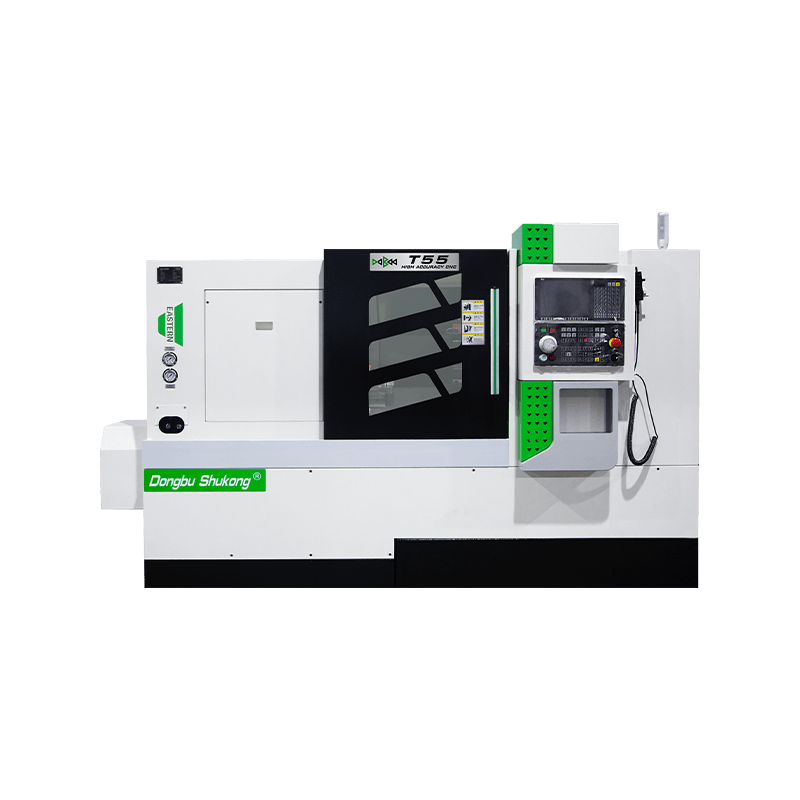
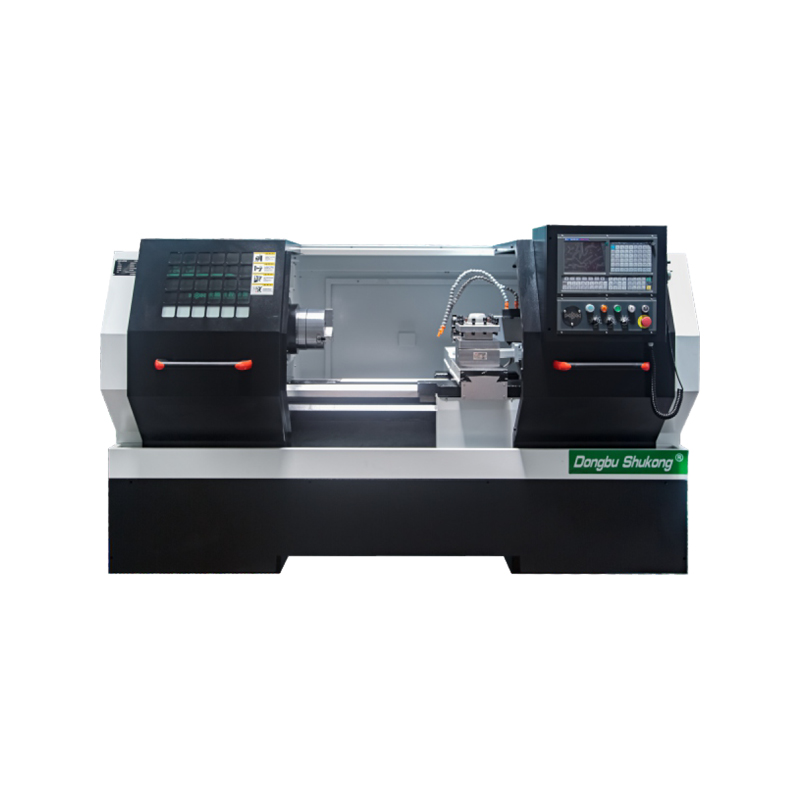
Flat-bed lathes adopt a horizontal bed structure, with a straightforward overall layout, suitable for machining long shaft-like parts and medium-sized disc-shaped workpieces. These machines have a clear operating logic, are easy to maintain and debug, and are often used in general machining scenarios. However, when dealing with workpieces with complex shapes or requiring high machining consistency, their structural advantages are relatively limited. Advantages of Slant Bed Lathes
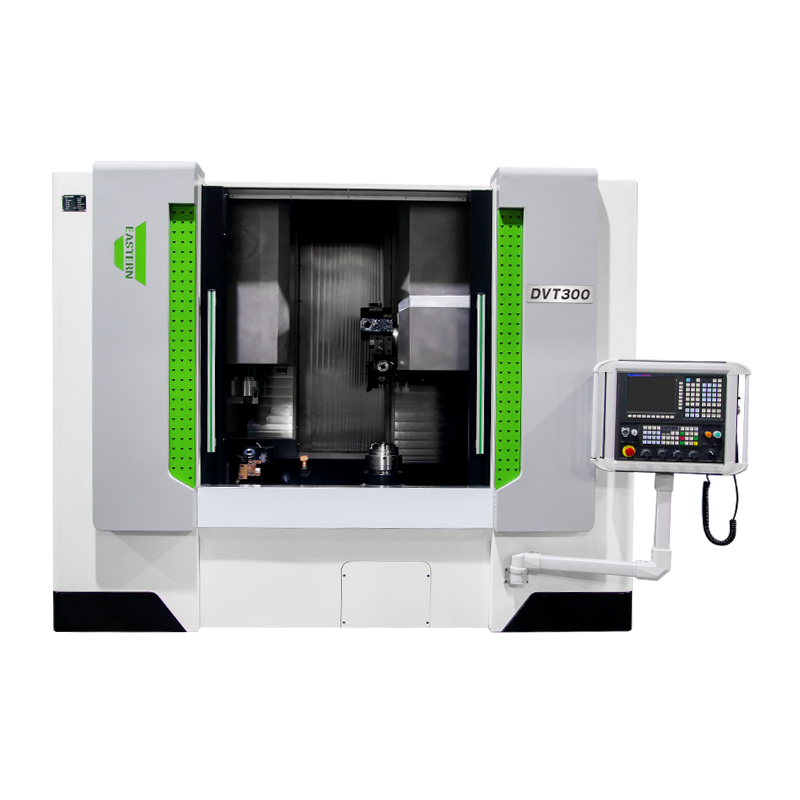
Slant bed lathes, through their inclined bed design, optimize the direction of cutting forces, improving the overall stress distribution on the machine and enhancing chip removal. This structure is suitable for machining short shafts and small disc-shaped workpieces, demonstrating stable performance in precision control and continuous machining. They are often used in production tasks requiring high dimensional consistency.
Typical Applications of CNC Vertical Lathes
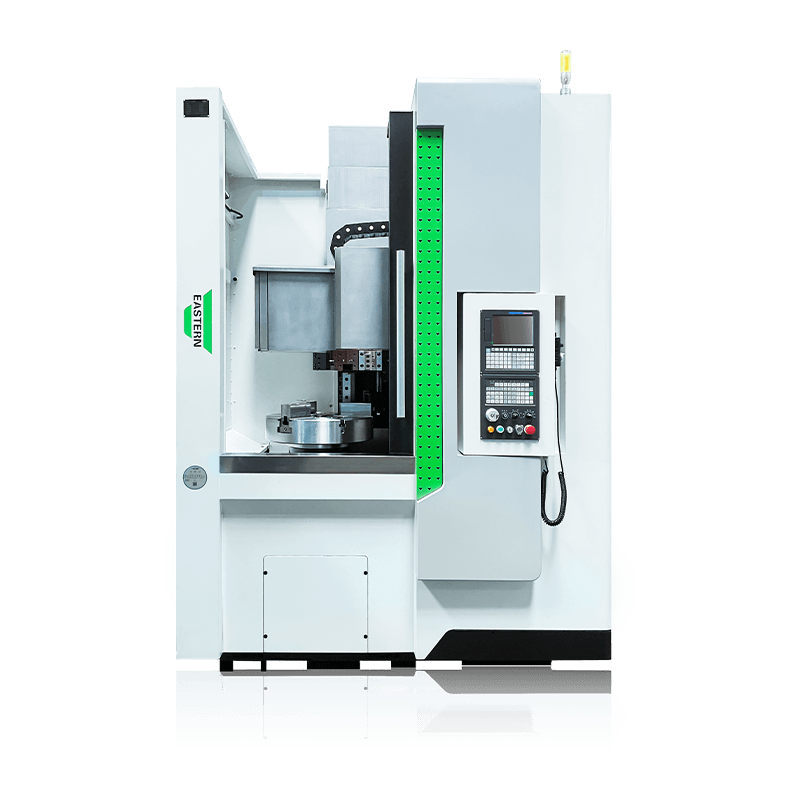
CNC Vertical Lathes are primarily designed for large-diameter disc-shaped and heavy workpieces. Their vertical spindle and horizontal rotating worktable allow for natural workpiece placement, improving clamping stability. This type of machine is suitable for completing multiple operations in a single setup, especially for large, relatively complex rotating parts.
In the actual recommendation process, workpiece size, weight, machining processes, and production cycle should be considered. For long shaft workpieces, a flat bed structure may be preferred; for small to medium-sized parts requiring certain precision and automation, a slant bed lathe can be chosen; while for large-sized, heavy-duty, and high-stability applications, a CNC Vertical Lathe is usually a more suitable choice.
Characteristics and Applications of CNC Vertical Lathes
CNC Vertical Lathes are machining equipment characterized by a vertical spindle arrangement and a horizontally rotating worktable. They are primarily designed for machining large-sized, heavy-duty workpieces requiring high stability. Compared to traditional horizontal structures, the vertical layout allows the workpiece's weight to act directly on the center of the worktable, helping to maintain stability during machining, especially for rotating parts with large diameters or high weights.
The CNC version of the vertical lathe places greater emphasis on overall rigidity and dynamic response capabilities in its structural design. By strengthening the column and beam structure, optimizing the transmission system configuration, and combining it with a high-precision CNC system, stable cutting performance and reliable repeatability are achieved. Simultaneously, the application of an automatic tool change system shortens auxiliary time, enabling the equipment to adapt to the needs of multi-process continuous machining.
In practical applications, CNC vertical lathes can complete the machining of end faces, inner and outer diameters, and other complex contoured surfaces in a single setup, effectively reducing the accumulation of errors caused by multiple setups. This feature makes it widely applicable in the fields of energy equipment, engineering machinery, and large-scale component manufacturing, demonstrating significant advantages in improving processing efficiency and space utilization.
Comparison of Performance Focus with Horizontal Lathes
CNC Vertical Lathes differ significantly from horizontal lathes in structural layout and force distribution. This difference directly impacts the machine tool's performance in heavy-duty machining, workpiece clamping, and machining strategies. Vertical lathes adopt a design with a vertical spindle and a horizontally rotating worktable, allowing the workpiece's weight to act directly on the center of the worktable, which helps improve clamping stability and machining rigidity. This structure, when machining large disc-shaped, ring-shaped, and heavy rotating parts, can distribute cutting forces more evenly, thus ensuring the stability and dimensional consistency of the machining process.
However, due to the different chip removal direction of the vertical spindle compared to horizontal lathes, vertical lathes require specialized design in chip removal strategies, including optimizing tool paths, adjusting coolant flow direction, and rationally planning chip removal space to ensure smooth chip removal from the machining area. At the same time, when machining internal or deep holes, it is necessary to rationally plan the tool extension length and cutting parameters to avoid vibration or processing instability.
CNC Vertical Lathes show structural advantages when handling large-sized, heavy-duty workpieces, but in chip removal and internal hole machining strategies, targeted adjustments are needed based on process characteristics to achieve stable and efficient machining results.
Comparison Table of Different Lathe Types and Applications
| Machine Tool Type | Typical Machined Workpieces | Structural Characteristics | Applicable Machining Focus |
| Flat-bed Lathe | Long shafts, medium-sized discs | Horizontal bed, intuitive structure | General turning, easy maintenance |
| Slant-bed Lathe | Short shafts, small discs | Inclined bed, smooth chip removal | Precision machining, automation |
| Vertical Lathe | Large discs, heavy workpieces | Vertical spindle, rotating worktable | Heavy-duty machining, stability |
Product Recommendation
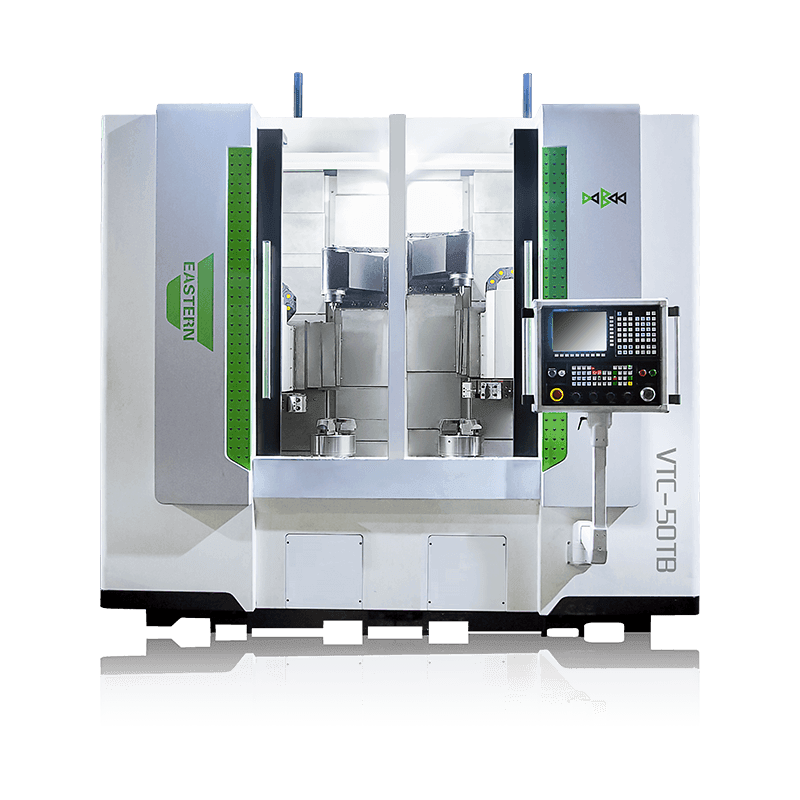
Eastern CNC VTC series products (such as VTC50, VTC65, VTC80, VTC100, etc.) cover medium to large vertical lathe specifications, meeting different workpiece sizes and machining requirements. They typically feature:
Eastern CNC provides customized vertical lathe solutions based on customer workpiece size, weight, and processing objectives. Tool holders, spindle configurations, and automation options can be designed according to actual process requirements, suitable for order specifications in different export markets.
Frequently Asked Questions
Vertical lathes are mainly suitable for large disc-shaped, ring-shaped, and heavy rotating workpieces. Because the workpiece is placed horizontally on the rotating worktable, its own weight helps improve processing stability, making it particularly suitable for large-diameter or heavy-duty machining scenarios.
Vertical lathes have structural advantages in terms of heavy-duty capacity and workpiece clamping stability, reducing the risk of deformation caused by workpiece overhang. At the same time, the vertical structure helps save workshop floor space, suitable for concentrated machining of large workpieces.
A CNC vertical lathe can complete machining of end faces, inner and outer diameters, and various contoured surfaces in a single clamping operation, reducing errors caused by repeated clamping and improving overall processing efficiency.
Through reasonable structural design, CNC system configuration, and tool management, vertical lathes can meet the requirements for machining accuracy and consistency in various industrial fields, especially suitable for stable machining of large-sized parts.
Due to the vertical structure of the spindle, the chip removal method is different from horizontal lathes. It usually requires designing the coolant direction and optimizing the chip removal space to ensure that chips are smoothly discharged from the machining area.
CNC vertical lathes can be configured with automatic tool change systems, workpiece measurement, and automatic loading and unloading solutions as needed, making them suitable for integration into automated or semi-automated production environments to a certain extent.
The selection should be based on a comprehensive consideration of workpiece size, weight, complexity of machining processes, and production cycle requirements. For large-diameter, heavy workpieces, vertical lathes are generally more structurally suitable.
RECOMMENDED PRODUCTS
All of your quotes will be answered within 2 hours by our professional sales support.
Use reliable parts and components to ensure product quality.
You can expect your order fulfilled within 60 days after placing the order.
All our products come with a one-year warranty.



sales@east-cnc.com

Shangma Industry Area, Shitang Town, Wenling City, Taizhou, Zhejiang, China.

Copyright © Taizhou Eastern CNC Technology Co., Ltd.

Machine Tool Manufacturer Privacy Policy