What is a mill-turning machine tool? Why is it considered the machining solution?
A mill-turning machine tool is a high-precision CNC machine that integrates turning and milling functions on a single machine tool. It can perform traditional CNC lathe machining of external diameters, end faces, and holes, as well as milling, drilling, tapping, grooving, and other operations. Simply put, it is a multi-functional machining center capable of simultaneous rotary cutting and tool-space cutting.
It is considered the machining solution primarily for the following reasons:
- Multi-process integration: In traditional machining, parts may need to be turned on a lathe first, and then transferred to a milling machine or machining center for milling or drilling. A mill-turning machine tool can complete all processes in a single setup, reducing repetitive positioning and handling, and improving machining efficiency.
- High machining accuracy: Because the workpiece completes multiple processes on a single machine, secondary clamping errors are reduced, helping to maintain the dimensional and positional accuracy of the parts.
- Adaptability to complex parts: Modern parts often contain multiple features such as shaft structures, planes, slots, and eccentric holes. Milling-turning composite machine tools combine turning and milling functions, enabling the machining of complex structures in a single operation.
- Increased production efficiency: Integrated machining reduces process flow and tool change time, making it particularly suitable for small-batch or multi-variety production scenarios.
- Saved equipment space and costs: Compared to purchasing lathes and milling machines separately, composite machine tools integrate multiple functions, saving factory space and equipment investment.
In summary, milling-turning composite machine tools, through multi-functional integration and high-precision control, achieve efficient machining of complex parts, thus being considered an ideal machining solution in fields such as automotive parts and precision machinery.
The impact of Y-axis, B-axis, and dual spindles on milling-turning composite capabilities
1. The impact of the Y-axis on milling-turning composite capabilities
- Function: The Y-axis provides lateral movement perpendicular to the spindle rotation plane, allowing the tool to perform machining of off-center surfaces, eccentric holes, side grooves, and inclined surfaces.
- Advantages: Increases spatial cutting capability on top of traditional X/Z-axis turning, reduces secondary clamping, and improves machining consistency.
- Combined Machining Capabilities: Combined with powered tools, the Y-axis can perform milling, drilling, and grooving operations, enabling a single machine tool to complete turning and milling operations in a single pass.
2. Impact of the B-Axis on Milling-Turn Capabilities
- Function: The B-axis is typically the axis of rotation for the tool or workpiece, used to achieve rotational tilting or machining around a specific angle of the workpiece.
- Advantages: Enables machining of complex structures such as inclined holes, spiral grooves, and asymmetrical surfaces, expanding the machining space of milling-turn machines.
- Combined Machining Capabilities: Linked with the Y-axis and X/Z-axis, it can perform inclined milling, inclined hole machining, or multi-angle cutting, achieving true three-dimensional combined machining.
3. Impact of Dual Spindles on Milling-Turn Capabilities
- Function: Dual spindles allow simultaneous machining of the workpiece at both ends within the machine, or automatic workpiece exchange.
- Advantages: Significantly reduces process flow time, supporting simultaneous machining of front and back surfaces, both end faces, or shaft-type parts.
- Composite Machining Capabilities: Combining the Y-axis and powered cutting tools, complex parts can be machined on multiple sides and angles on a single machine tool, improving production efficiency and precision.
When the Y-axis, B-axis, and dual spindles work collaboratively on a milling-turning machine tool, the machine tool is upgraded from a simple turning device to a true multi-process composite machining platform:
- Turning, milling, drilling, and beveling can be completed in a single setup.
- Supports machining of complex parts on both sides, eccentric surfaces, and at multiple angles.
- Improved machining accuracy, shorter production cycles, and increased equipment utilization.
In other words, the combination of these three elements directly determines the depth and breadth of the machine tool's composite machining capabilities, making it an indispensable configuration for modern high-end parts processing.
Turn-Mill vs CNC Lathe vs Machining Center
| Features / Machine Type |
Turn-Mill |
CNC Lathe |
Machining Center |
| Main Machining Types |
Turning + Milling + Drilling + Tapping |
Turning (external diameter, end face, hole) |
Milling, drilling, tapping, grooving, etc. |
| Spindle Direction |
Usually equipped with dual spindles, master and slave can be interchanged |
Single spindle or dual spindles (mainly turning) |
Vertical or horizontal spindle, mainly milling |
| Axial Degrees of Freedom |
X/Z/Y/B axes can be multi-axis linked |
X/Z axis, some high-end models have Y/B axis |
X/Y/Z axis, multiple axes optional |
| Machining Part Types |
Complex shafts, multi-faceted, multi-hole, multi-angle parts |
Simple shafts or rotating parts |
Block, planar, or complex cavity parts |
| One-Time Completion Rate |
High, can complete mill-turning composite operations in one setup |
Medium, usually requires changing operations or equipment |
Medium to high, depending on part shape |
| Production Efficiency |
High efficiency, reducing clamping times and process transfers |
Medium efficiency, affected by process transfers |
Medium to high efficiency, suitable for medium to large batch production |
| Applicable Scenarios |
Automotive parts, precision shafts, multi-functional parts |
Shaft parts, sleeves, end caps, etc |
Mold processing, flat parts, complex cavity parts |
| Advantages |
Multi-process integration, high precision, high flexibility |
Low cost, good processing stability |
Wide processing range, adaptable to non-circular parts, more flexible cutting tools |
| Disadvantages |
High equipment cost, complex operation |
Single function, complex structures require secondary processing |
Low efficiency in machining rotating bodies, requires fixtures or secondary positioning |
What structure defines a "Best Turn Mill Machine"?
1. Dual-spindle structure
- Definition: The machine tool is equipped with a main spindle and a sub-spindle, enabling machining of both sides of the workpiece or process relay.
- Value: Shortens process transfer time, supports automatic workpiece exchange, and improves the production efficiency and processing consistency of a single machine.
2. Multi-Axis Motion System (X/Z/Y/B Axis)
- X/Z Axis: Traditional turning directions, completing external diameter, end face, and internal hole machining.
- Y Axis: Provides lateral movement capability, enabling machining of complex structures such as eccentric holes, planes, and side grooves.
- B Axis: Tool or workpiece rotation axis, enabling machining of inclined holes, helical grooves, or multi-angle machining.
- Value: Multi-axis linkage enables machine tools to possess three-dimensional composite machining capabilities, achieving true multi-process completion in a single setup.
3. Motorized Tool Turret System
- Definition: The turret rotates and drives the tool for milling, drilling, tapping, etc.
- Value: Combines turning and milling functions in the same tool system, enabling switching between multiple cutting types and improving composite machining capabilities.
4. Rigid Machine Tool Bed and Spindle System
- Definition: A high-rigidity cast or welded structure bed, paired with a high-precision spindle.
- Value: Ensures machining accuracy and stability in high-speed cutting and multi-process machining, reducing vibration and deformation.
5. Automation and Workpiece Management
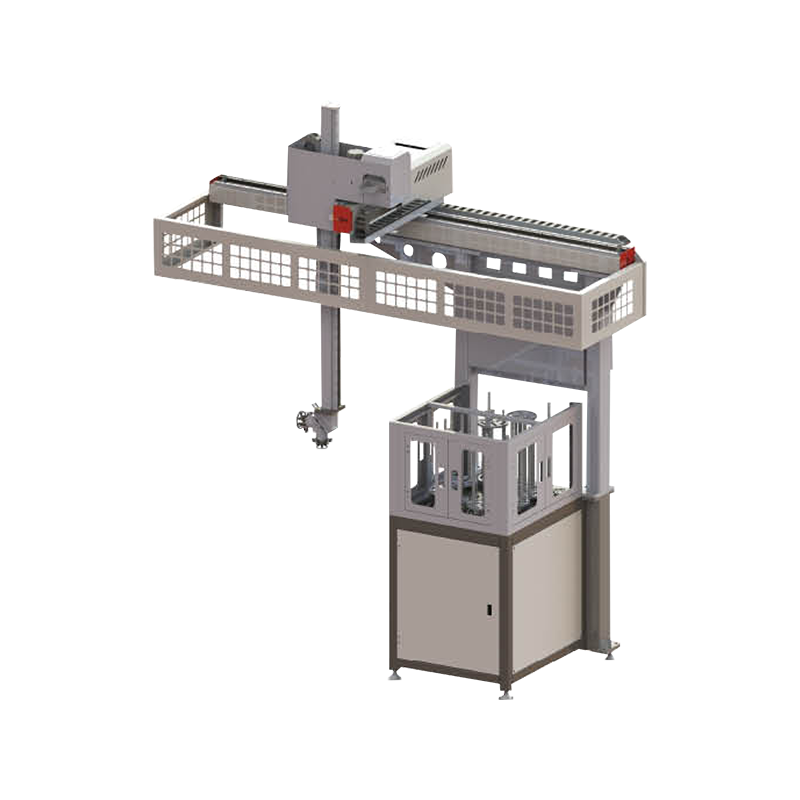
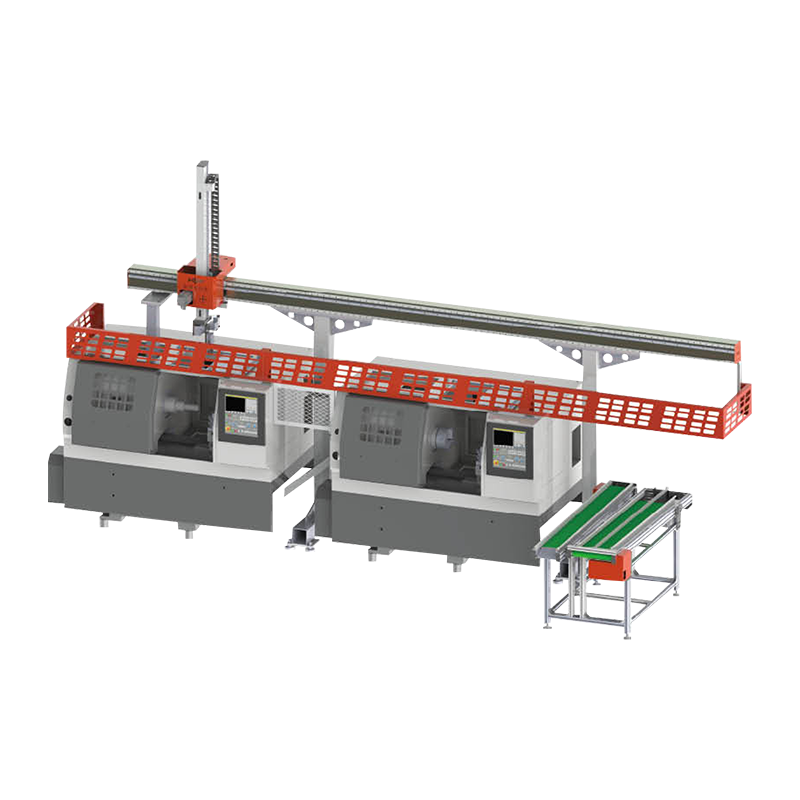
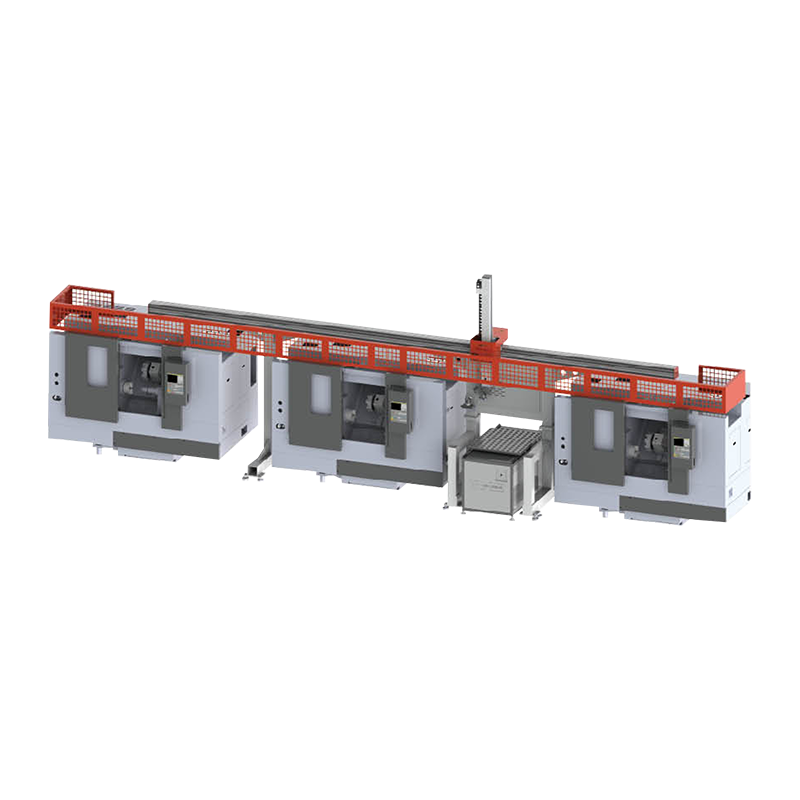
- Automatic workpiece docking or robotic clamping: Supports continuous machining and multi-process integration.
- Value: Reduces manual intervention, improves batch production efficiency, and ensures machining consistency.
6. Advanced CNC Systems and Multi-Axis Linkage Control
- Definition: The control system supports power linkage between the X/Y/Z/B axes and the tool, and has complex trajectory interpolation capabilities.
- Value: Enables high-precision machining of complex parts, simplifies programming, and ensures machining repeatability.
What complex parts can a mill-turning machine tool process?
1. Shaft Parts
- Features: Combined structures such as outer diameters, end faces, inner holes, steps, and slots.
- Application Scenarios: Drive shafts, steering shafts, roller shafts, automotive half-shafts, etc.
- Machining Advantages: Completes front and back surface machining and multi-dimensional steps in a single clamping, reducing secondary clamping errors.
2. Multi-faceted or Asymmetrical Parts
- Features: Parts containing eccentric holes, planes, bevels, keyways, or mounting holes.
- Applications: Automotive engine mounts, hydraulic pump housings, precision mechanical connecting rods, etc.
- Machining Advantages: The Y-axis and B-axis enable lateral cutting and multi-angle machining, avoiding structures that traditional lathes cannot process.
3. Parts with Helical Grooves or Angled Holes
- Features: Helical grooves, angled holes, or non-circular holes.
- Applications: Ball screws, gear shafts, pump body components.
- Machining Advantages: The B-axis and power tools can perform helical milling and angled hole drilling, achieving complex curves that are difficult to complete on a lathe.
4. Parts with Composite Holes and Special Cavities
- Features: Composite structures of internal holes, blind holes, through holes, and deep cavities.
- Applications: Cylinder blocks, valve bodies, hydraulic components.
- Machining Advantages: Power tools combined with the Y-axis can complete hole machining and plane milling in one operation, improving machining efficiency and ensuring accuracy.
5. Multifunctional Parts for Automotive and Precision Machinery
- Features: Integrates rotating surfaces, planes, hole systems, slots, and eccentric structures.
- Applications: Engine connecting rods, braking system parts, aircraft structural components, precision transmission components.
- Machining Advantages: Turning, milling, drilling, and tapping can be completed in a single setup, saving process time and improving part consistency.
How to Choose the Most Suitable Turn Mill Machine? 10 Key Indicators for Evaluating the “Best Turn Mill Machine”
1. Main and Sub-Spindle Configuration and Performance
- Number, speed range, power, torque, and synchronization capability of the main and sub-spindles.
- Determines the machining capability of both front and back surfaces of the workpiece and the production cycle time. Dual-spindle collaboration can reduce process flow and improve efficiency.
2. Multi-Axis Motion Capability
- X/Z/Y/B axis travel, positioning accuracy, rapid traverse speed, and interpolation capability.
- Directly affects the machining freedom and composite machining capability of complex parts.
3. Power Tool System
- Turret type (static/powered), number of tool positions, power output, milling/drilling capability.
- Supports combined turning, milling, and drilling machining, improving the one-time clamping completion rate of parts.
4. Machine Tool Rigidity and Bed Structure
- Bed material, structural form, spindle bearing support, vibration resistance.
- Ensures stability and machining accuracy in high-speed cutting and multi-process machining.
5. Control System and Programming Capabilities
- CNC system model, multi-axis linkage support, toolpath interpolation accuracy, macro program function.
- Determines whether the machine tool can efficiently machine complex parts and simplifies programming difficulty.
6. Automation and Workpiece Handling Capabilities
- Automatic loading and unloading by robotic arms, workpiece docking device, tool change time.
- Improves batch production efficiency, reduces manual intervention, and ensures machining consistency.
7. Machining Accuracy and Repeatability
- X/Z/Y/B axis positioning accuracy, repeatability, spindle radial runout.
- Ensures dimensional and positional consistency in multi-process machining of complex parts.
8. Tool and Workpiece Adaptability
- Supports tool diameter and length ranges, as well as workpiece clamping dimensions and weight.
- Determines the types and complexity of parts the machine tool can process.
9. Energy Consumption and Maintenance Ease
- Motor power, energy efficiency, lubrication and cooling system, and ease of maintenance.
- Reduces operating costs, minimizes downtime, and improves long-term stability.
10. Supplier Service and Scalability
- After-sales technical support, training, software upgrades, and future multi-axis expansion capabilities.
- Ensures long-term stable operation of the machine tool, adapting to future process changes and production needs.
Recommended
Eastern CNC is committed to providing high-performance, high-stability CNC milling and turning machines and related automation solutions for the global manufacturing industry. The company has a complete R&D team, rigorous manufacturing and testing processes, and a wide product range, meeting diverse machining needs from precision parts to large-size components. Whether in spindle and sub-spindle coordination, power tooling systems, or automated workpiece handling capabilities, Eastern CNC products demonstrate industry-leading technology, helping users achieve the balance between production cycle time, machining accuracy, and operating costs. Especially in complex workpiece single-clamp compound machining, Eastern CNC machine tools exhibit outstanding overall performance, making them an ideal choice for users seeking efficient and highly reliable machining equipment.
When choosing efficient and reliable turn-mill machine tools, the following core advantages of Eastern CNC deserve special attention:
- Diverse spindle and sub-spindle configurations — Supports different production cycles and process coordination, improving machining efficiency.
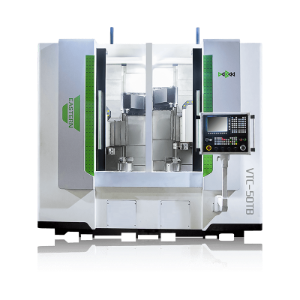
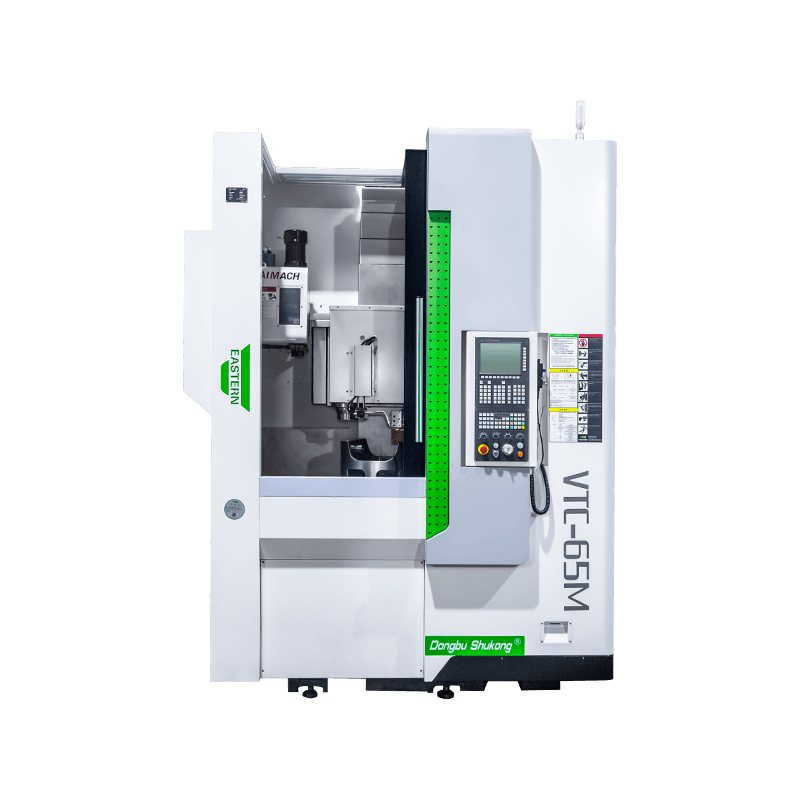
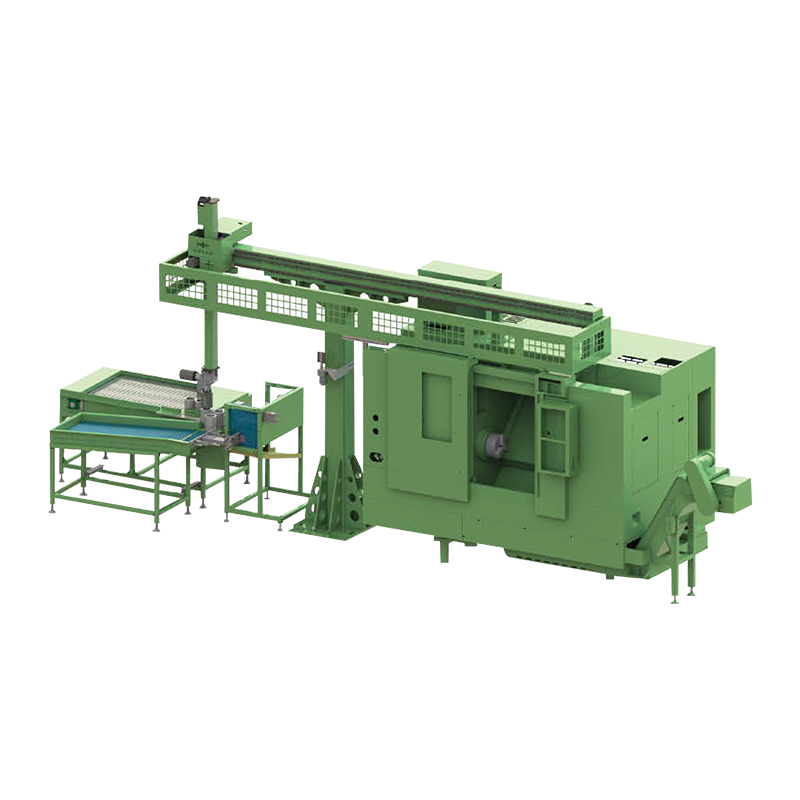
- Extensive machine tool product line — Includes slant bed lathes, vertical lathes, and automated production lines, allowing for flexible selection based on machining needs.
- Powerful multi-axis machining capabilities — Multiple CNC systems support complex paths and high-precision interpolation, adaptable to the machining of precision and complex parts.
- High-rigidity structural design — The bed and spindle systems undergo rigorous design and testing to ensure long-term stability and machining quality.
- High automation and workpiece handling efficiency — Can be integrated with automatic loading and unloading units to improve batch processing consistency and production efficiency.
- Comprehensive sales and service support — Provides rapid response technical support and after-sales service to ensure long-term stable operation of the equipment.
With customized support and mature technical solutions, CNC is a preferred partner for manufacturers seeking milling and turning composite machine tools.



 English
 русский
 Español
 عربى
عربى 简体中文
简体中文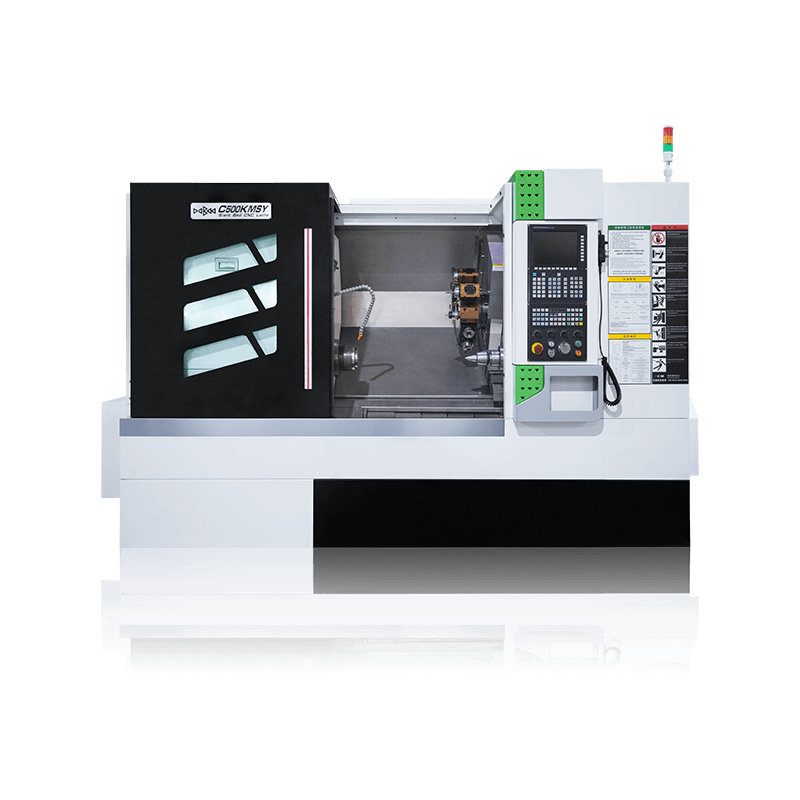
 Home / News / Industry News / Milling and turning machine tools: A complete analysis and selection guide
  2026.02.20
 Industry News