


 English
 русский
 Español
 عربى
عربى 简体中文
简体中文
Contact Us
All of your quotes will be answered within 2 hours by our professional sales support.
Industry News
 2026.03.27
 Industry News
Contents
In the field of precision parts manufacturing, Swiss-type lathes and CNC lathes represent two of the more iconic types of machining equipment. While both are capable of performing turning operations, they exhibit fundamental differences in their structural principles, applicable scenarios, machining precision, and economic efficiency.
CNC lathes employ the traditional turning method characterized by "rotating workpiece, feeding tool." The workpiece is clamped in the spindle chuck and rotates at high speed, while the cutting tool moves along the X and Z axes to perform the cutting operation. This approach is well-suited for machining a wide variety of parts with relatively large diameters and moderate axial dimensions.
Swiss-type lathes, conversely, utilize a fundamentally different machining logic. Their core characteristic is the continuous feeding of the workpiece through a guide bushing; the headstock moves along the Z-axis, while the cutting tools remain in fixed positions to cut the workpiece. This "sliding headstock" (or "Swiss-type") method ensures that the workpiece's overhang—the unsupported length extending beyond the support point—remains extremely short at all times, thereby significantly reducing the risk of bending deformation when machining slender parts.
Simply put: CNC lathes operate on the principle of "moving tool, stationary workpiece," whereas Swiss-type lathes operate on "moving workpiece, stationary tool." Each method offers distinct advantages when addressing different types of workpieces.
CNC lathes typically rely on a chuck or tailstock center to clamp the workpiece. For slender shafts with a length-to-diameter (L/D) ratio exceeding 3:1, auxiliary supports—such as steady rests or follower rests—are often required to prevent the workpiece from bending under cutting forces. This not only increases the complexity of the tooling setup but also places higher demands on the operator's technical skills.
The core supporting component of a Swiss-type lathe is the guide bushing. Positioned in close proximity to the cutting zone, the guide bushing provides continuous support to the workpiece immediately adjacent to the cutting tool, resulting in an extremely short load path for cutting forces. Regardless of the overall length of the bar stock, the specific section of the workpiece currently subjected to cutting forces remains effectively constrained, thereby fundamentally eliminating issues such as chatter and bending during the machining of slender parts.
This structural difference directly defines the distinct capabilities of these two types of equipment regarding the machining of slender components.
In terms of machining precision, Swiss-type lathes—leveraging the advantage of close-proximity support provided by their guide bushings—can consistently achieve diameter tolerances within ±0.005 mm when machining slender parts with diameters ranging from 2 mm to 32 mm and length-to-diameter ratios exceeding 5:1. Furthermore, they exhibit minimal cylindricity errors, and surface roughness can reach Ra 0.4 μm or even finer. This represents a distinct advantage that standard CNC lathes struggle to replicate under equivalent conditions.
Standard CNC lathes also demonstrate good machining precision for short, stout parts and parts with moderate length-to-diameter ratios; mainstream models can achieve dimensional tolerances ranging from ±0.01 mm to ±0.005 mm. Their rigid spindle structures, combined with high-precision ball screws, ensure stability throughout the cutting process. However, as the length-to-diameter ratio of a workpiece increases, the precision advantages of standard CNC lathes are gradually diminished by their inherent structural limitations.
| Comparison Dimension | CNC Lathe | Swiss-Type Lathe |
| Spindle Structure | Fixed headstock; chuck clamping | Moving headstock; guide bushing support |
| Tool Layout | Turret-style; indexing for tool changes | Comb-type or compound tool post; simultaneous multi-tool operation |
| Workpiece Support | Chuck / Tailstock / Steady rest | Guide bushing (support located close to the cutting tool) |
| Applicable Diameter Range | Typically 10 mm to over 300 mm | Typically 1 mm to 32 mm (some models up to 65 mm) |
| Applicable Length-to-Diameter Ratio | L/D < 3:1 is ideal | L/D can reach over 20:1 |
| Main/Sub-spindle Configuration | Some models equipped with a sub-spindle | Generally equipped with a sub-spindle; front and back-side machining completed in a single setup |
| Tool Change Method | Turret indexing; tool change time approx. 0.1–0.3 seconds | Fixed tool positions; no tool-changing motion required; enhanced cutting continuity |
In terms of equipment acquisition costs, the price range for CNC lathes varies significantly. Entry-level 2-axis CNC lathes are relatively affordable, whereas multi-axis turn-mill machining centers can cost several million RMB. Generally speaking, given equivalent processing capabilities, the initial investment required for a CNC lathe is typically lower than that for a Swiss-type lathe.
Due to their intricate structure and complex manufacturing processes, Swiss-type lathes entail a higher upfront purchasing cost for the equipment itself. However, when evaluating overall economic efficiency, the following factors must be taken into consideration:
When machining small, precision parts, Swiss-type lathes can often complete multiple operations in a single pass (including turning, milling, drilling, tapping, etc.), thereby significantly reducing process changeover times and tooling investment. Furthermore, the integration of automatic bar feeders—combined with extended periods of unattended operation—can a substantial reduction in labor costs. Coupled with a lower scrap rate, a comprehensive calculation reveals that, for specific products and batch sizes, the per-piece machining cost on a Swiss-type lathe may be far lower than the cumulative cost of multi-stage processing on a standard CNC lathe.
Typical Applications for Swiss-type Lathes:
Swiss-type lathes excel at machining high-precision, slender parts. Typical products include: orthopedic screws, dental implant abutments, and surgical instrument connectors within the medical device sector; precision pins and inner conductors for coaxial connectors in the electronics industry; as well as automotive fuel injector pintle bodies and various types of small, precision shaft components. The common characteristics of these parts are small diameters, high precision requirements, large production volumes, and a high number of required machining operations.
Typical Applications for CNC Lathes:
CNC lathes demonstrate distinct advantages in machining medium-sized parts with diverse geometries. Typical products include: automotive drive shafts, flanges, and wheel hub assemblies; hydraulic cylinder barrels and piston rods for heavy machinery; as well as mold components, industrial pump bodies, and similar items. These parts typically feature larger diameters, moderate length-to-diameter ratios, and precision requirements ranging from moderate to high; they are commonly produced in single units or in small-to-medium batch sizes.
Tracing the history of the Swiss-type lathe, its origins lie in the Swiss watchmaking industry of the late 19th century. Watch components are extremely minute and subject to exceptionally rigorous precision standards; as traditional lathes proved incapable of meeting these demands, the need for a new solution gave rise to the prototype of the Swiss-type lathe. After more than a century of continuous evolution, the Swiss-type lathe has evolved from a purely mechanical sliding-head turning machine into a full-featured CNC Swiss-type multi-tasking machining center, capable of completing all—or the vast majority—of the machining operations for complex parts on a single machine.
The modernization of standard CNC lathes has progressed in tandem with the overall advancement of CNC technology. From early NC lathes to today's multi-axis simultaneous, turn-mill, and intelligent-compensation models, CNC lathes have achieved qualitative leaps in terms of machining scope, precision, and automation levels.
While these two categories of equipment share common ground in their technological development trajectories, they also continue to deepen their expertise within their respective specialized domains, collectively driving the standards of precision manufacturing to ever-higher levels.
Industries Prioritizing Swiss-Type Lathes:
The medical device industry represents one of the more critical application markets for Swiss-type lathes. Implantable devices impose extremely stringent requirements regarding material biocompatibility and dimensional precision; Swiss-type lathes are capable of reliably machining tiny, high-precision parts—made from difficult-to-cut materials such as titanium alloys, cobalt-chrome alloys, and stainless steel—thereby meeting the consistency standards mandated for medical device certification.
The electronics and connector industry utilizes Swiss-type lathes extensively to machine precision connectors made from copper and aluminum alloys. Production batches range from tens of thousands to tens of millions of units; the high-speed, continuous, and automated machining capabilities of Swiss-type lathes align perfectly with the demands of this sector.
The watchmaking and precision instrument industries constitute a traditional stronghold for Swiss-type lathes; given that the precision requirements for their minute components reach the micron level, Swiss-type lathes are the only viable choice.
Industries Prioritizing Standard CNC Lathes:
In the automotive components industry, a vast array of shaft-type and disc-type parts—destined for engines, transmissions, and chassis systems—tend to be larger in size and produced in moderate batch volumes. Consequently, standard CNC lathes, often paired with automated loading and unloading systems, remain the mainstream choice.
The construction machinery and heavy equipment industries require the machining of large-diameter, heavy-duty shafts and housing components; in this context, standard CNC lathes possess inherent advantages in terms of machining envelope and structural rigidity.
In recent years, through a series of technological innovations, standard CNC lathes have been gradually narrowing the gap with Swiss-type lathes—specifically regarding the machining of slender parts and the capability to execute complex, multi-process operations.
Multi-Axis Turn-Mill Technology
Turn-mill composite machine tools integrate a variety of machining capabilities—including turning, milling, drilling, and grinding. Certain models feature Y-axis, B-axis, and dual-spindle configurations, enabling them to complete the entire machining process for a workpiece in a single clamping setup. This capability significantly enhances the process integration level of CNC lathes for complex parts, creating effective competition against certain products that previously relied exclusively on Swiss-type lathes.
Upgraded High-Rigidity Structure
CNC lathes commonly utilize cast iron or polymer concrete machine beds, featuring optimized rib layouts and guide rail designs that result in a significant improvement in overall machine rigidity. Some models are equipped with spindle dynamic balancing systems and hydrostatic guide rails; these features allow the machines to maintain exceptional stability even under high-speed cutting conditions, thereby drastically reducing cutting vibrations.
Intelligent Control and Compensation Technologies
The widespread adoption of thermal error compensation, geometric error compensation, and automatic tool wear monitoring and compensation systems enables CNC lathes to maintain high dimensional consistency even during prolonged, continuous production runs. Certain high-end models integrate in-process measurement systems to achieve a closed-loop control cycle—encompassing machining, measurement, and compensation—thereby further minimizing the need for manual intervention.
Automation and Flexible Manufacturing
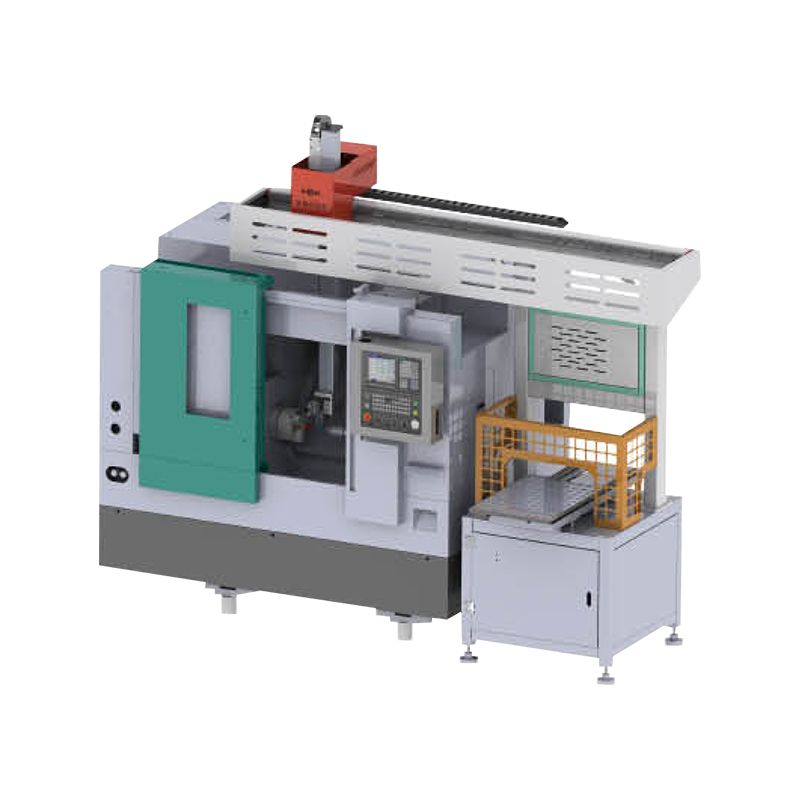
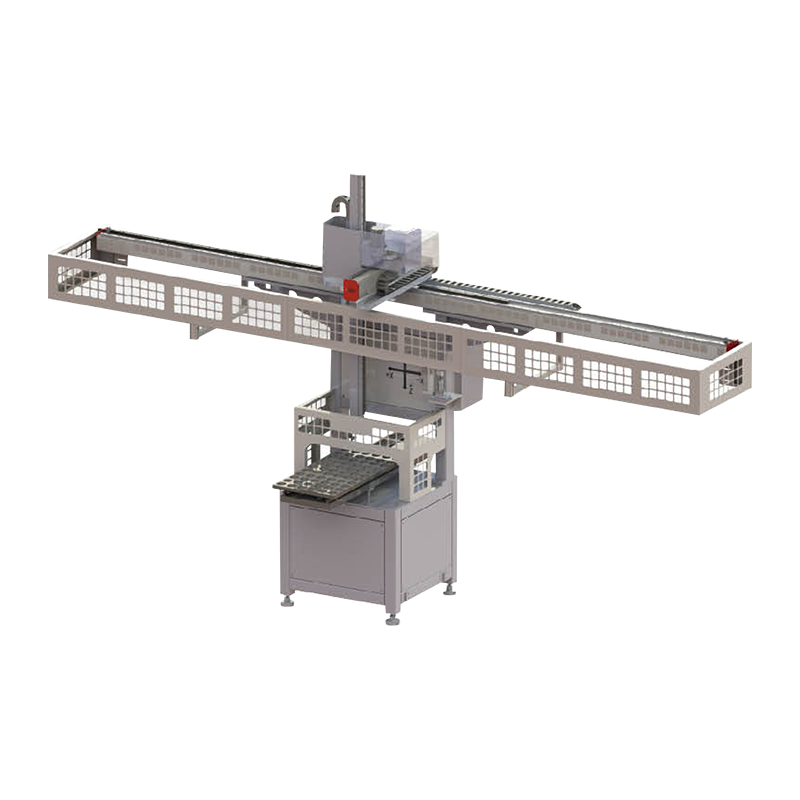
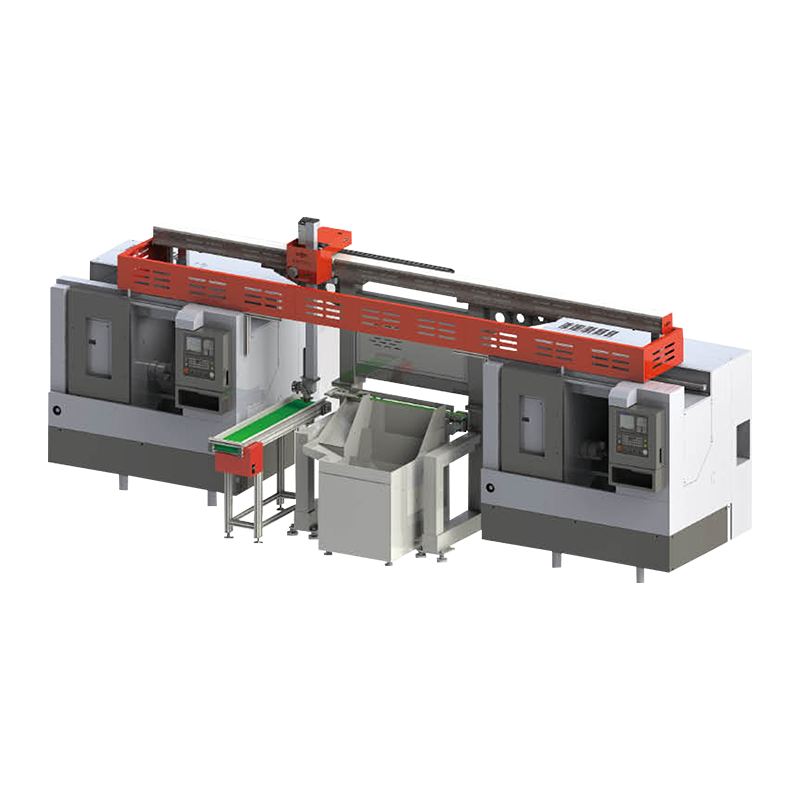
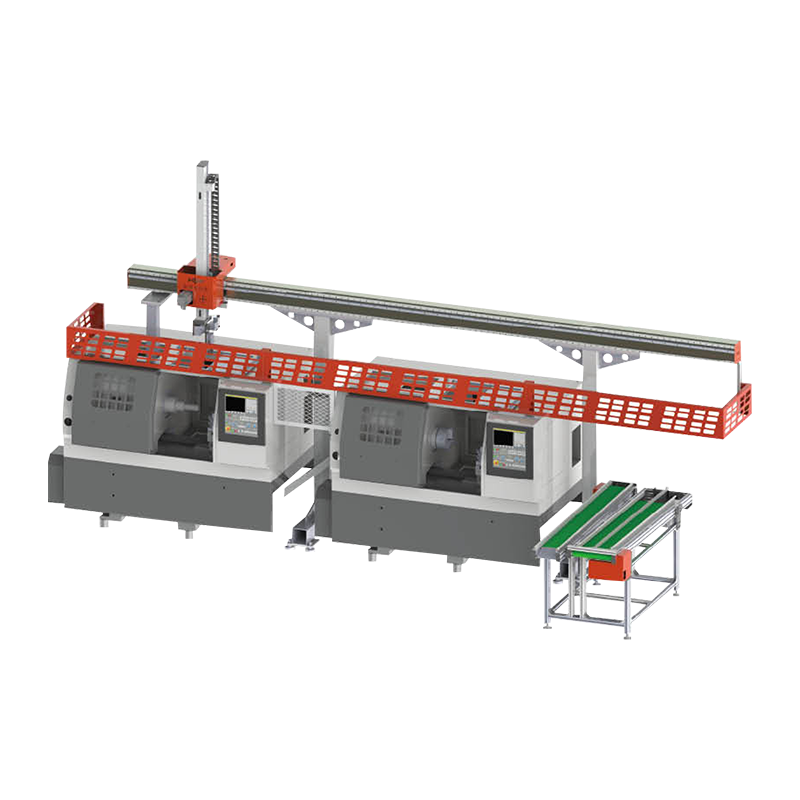
The extensive application of gantry robots, collaborative robots for loading/unloading, automatic bar feeders, and pallet-based loading systems has endowed CNC lathes with unmanned, continuous operation capabilities comparable to those of Swiss-type lathes. When combined with Flexible Manufacturing Cell (FMC) designs, CNC lathes can achieve rapid changeovers in high-mix, low-volume production scenarios, effectively meeting the diverse demands of the manufacturing industry.
There is no one-size-fits-all answer when selecting equipment; the decision requires a comprehensive assessment based on product characteristics, production scale, and corporate strategy. The following dimensions serve as useful references for the decision-making process:
Prioritize a Swiss-type lathe if the following conditions are met: The part diameter is under 32 mm, and the length-to-diameter ratio exceeds 5:1; product precision requirements are extremely high, with tolerances within ±0.005 mm; production batch sizes are large, with a goal of achieving high automation and minimal manual intervention; or the part's machining sequence is complex, requiring multiple operations—such as turning, milling, and drilling—to be completed within a single clamping setup.
Prioritize CNC Lathes if the following conditions are met: the part diameter exceeds 32mm, or the length-to-diameter ratio is moderate; product variety is high, necessitating frequent changeovers; the enterprise is in its startup phase with a limited initial budget for equipment investment; and machining tasks consist primarily of single-operation turning, with minimal demand for complex multi-axis machining.
A Strategy of Combined Application: In larger-scale enterprises manufacturing precision parts, Swiss-type lathes and standard CNC lathes are often not mutually exclusive choices; rather, they engage in a division of labor based on specific product characteristics. Small, high-precision, and high-volume parts are assigned to Swiss-type lathes, while medium-to-large-sized and diversified parts are handled by standard CNC lathes, thereby creating a complementary machining ecosystem that leverages the strengths of both technologies.
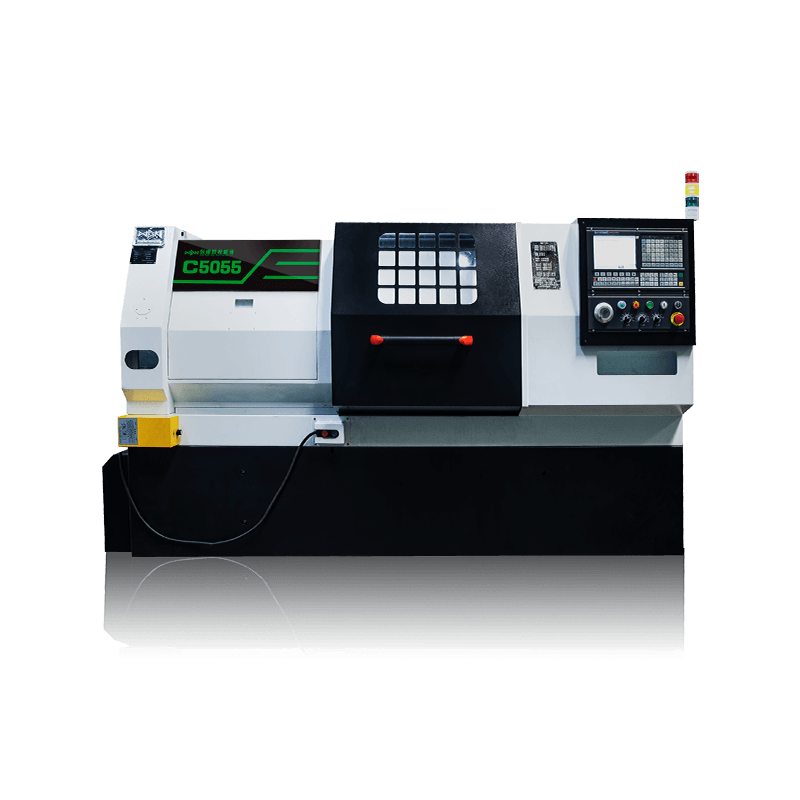
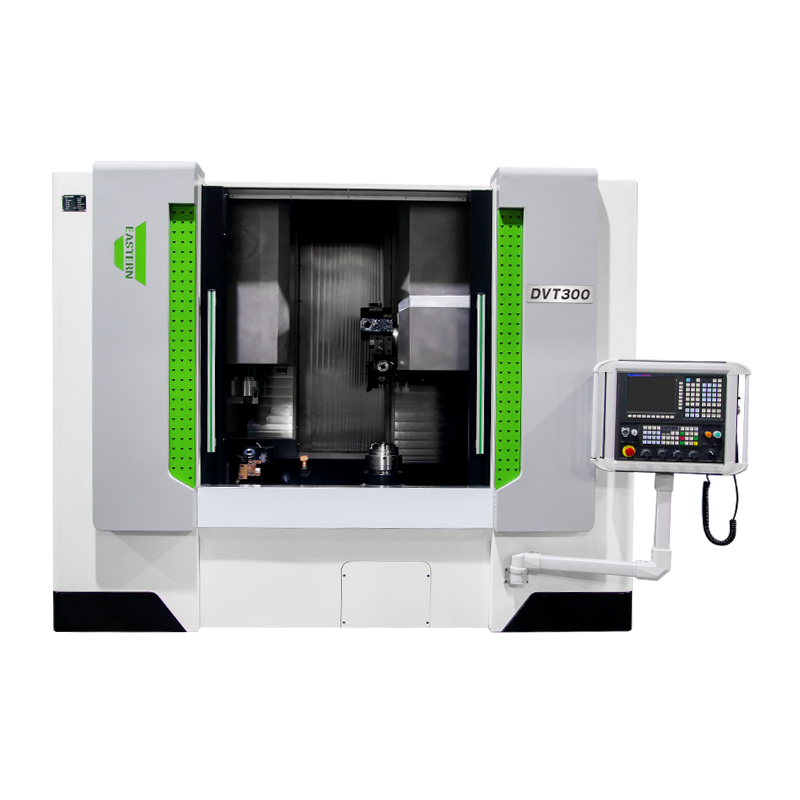
For manufacturing enterprises requiring high rigidity and high-precision CNC turning capabilities, the slant-bed CNC lathe represents the preferred solution within the CNC lathe product line.
Compared to flat-bed designs, the slant-bed structure (typically featuring a 45° or 60° inclination angle) offers the following core advantages: the direction of cutting forces aligns more closely with the direction of guide rail support, resulting in overall machine rigidity; chip evacuation is smoother—preventing chip accumulation on the guide rails—which extends the service life of the rails; the operating space is more open, facilitating easier workpiece clamping and process monitoring; and thermal deformation across the machine is more uniform, helping to maintain machining precision over extended periods of operation.
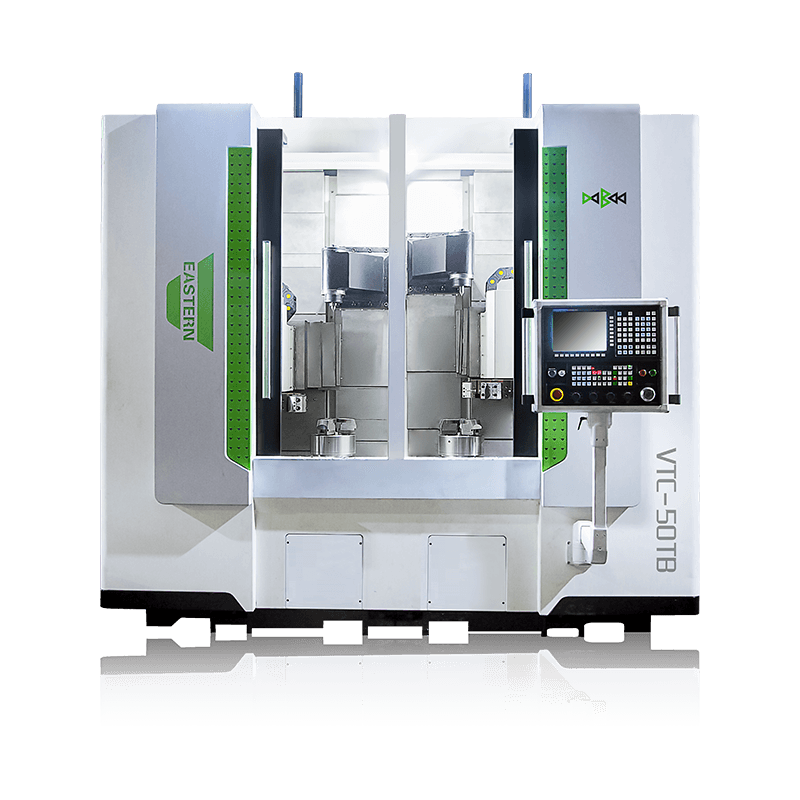
The Eastern CNC Slant-Bed Lathe Series encompasses a wide range of specifications, catering to the mass production requirements for shaft-type and disc-type parts across industries such as automotive components, construction machinery, hydraulic components, and mold manufacturing. When integrated with automated loading and unloading solutions, these machines can achieve extended periods of unattended operation, thereby significantly boosting production line efficiency.
For specific technical specifications or to request product selection consultation, please visit the "Products" page on the official Eastern CNC website to access detailed technical documentation and obtain quotation support.
Swiss-type lathes and standard CNC lathes each possess unique strengths, playing indispensable roles within the ecosystem of precision manufacturing. With their unparalleled capability for machining slender parts and highly automated characteristics, Swiss-type lathes continue to the field of micro-precision component manufacturing; meanwhile, CNC lathes—distinguished by their broader scope of application, continuously evolving technological capabilities, and relatively flexible investment thresholds—have become the core machining equipment for a vast number of manufacturing enterprises.
RECOMMENDED PRODUCTS
All of your quotes will be answered within 2 hours by our professional sales support.
Use reliable parts and components to ensure product quality.
You can expect your order fulfilled within 60 days after placing the order.
All our products come with a one-year warranty.



sales@east-cnc.com

Shangma Industry Area, Shitang Town, Wenling City, Taizhou, Zhejiang, China.

Copyright © Taizhou Eastern CNC Technology Co., Ltd.

Machine Tool Manufacturer Privacy Policy