


 English
 русский
 Español
 عربى
عربى 简体中文
简体中文





Abstract As the demand for precision manufacturing continues to evolve, Y-axis lathes are increasingly becoming a focal point for manufacturing enterprise...
READ MORECATEGORIES
CNC Lathe Automation Production Line Series
CNC Lathe Automation Production Line Advantages:
1. Improve Production Efficiency
2. Reduce Production Costs
3. Improve Product Quality
4. Flexibility and Scalability
5. Application:
The CNC Lathe Automation Production Line provides manufacturing customers with an efficient and intelligent production solution and has broad application prospects.
- Automobile Manufacturing: CNC Lathe Automation Production Line is widely used in the automobile manufacturing industry and is used in body welding, parts processing, and other aspects.
- Aerospace: In the aerospace field, these products can be used in the processing and assembly of aircraft parts.
- Electronic Equipment: In the field of electronic equipment manufacturing, these products can be used for PCB board processing, precision parts processing, etc.
- General Machinery Manufacturing: In addition, the CNC Lathe Automation Production Line is also suitable for general machinery manufacturing industries, such as mold manufacturing, workpiece processing, etc.
-
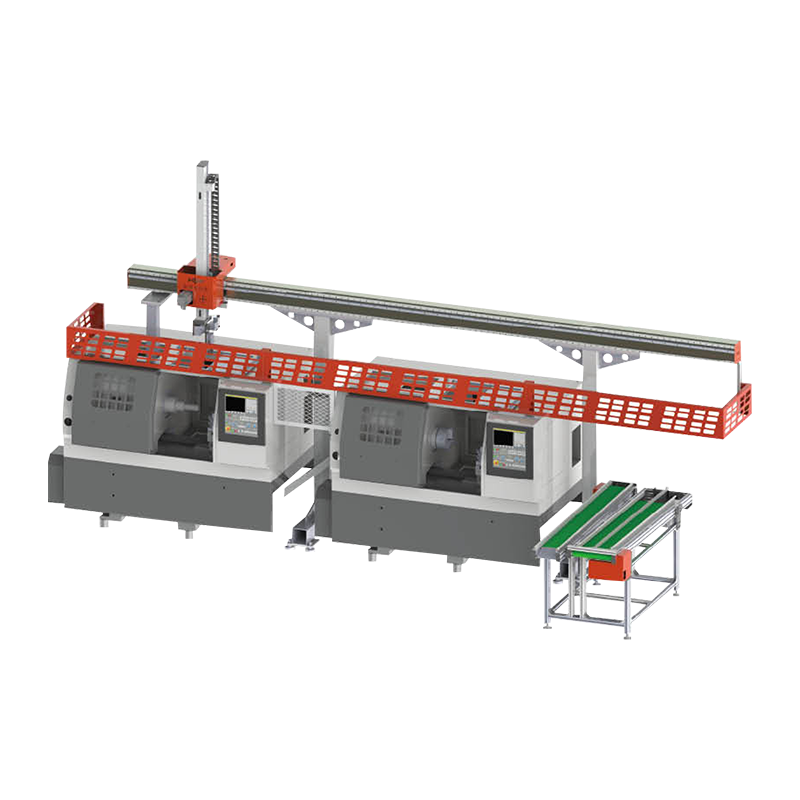
Details:
CNC Lathe Automation Production Line Introduction Two C5037 machine tools are equipped with one-to-t...view more150200 Medium F Series CNC Lathe Automation Production Line
-
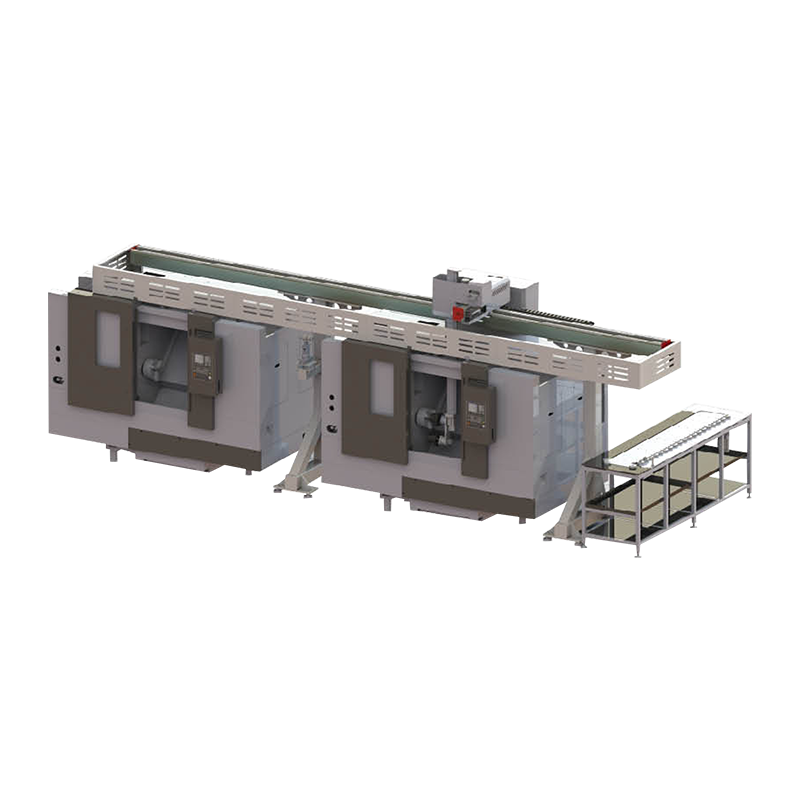
Details:
CNC Lathe Automation Production Line Introduction Two C400K machine tools are equipped with one-to-t...view more150200 Heavy Duty FS Series CNC Lathe Automation Production Line
-
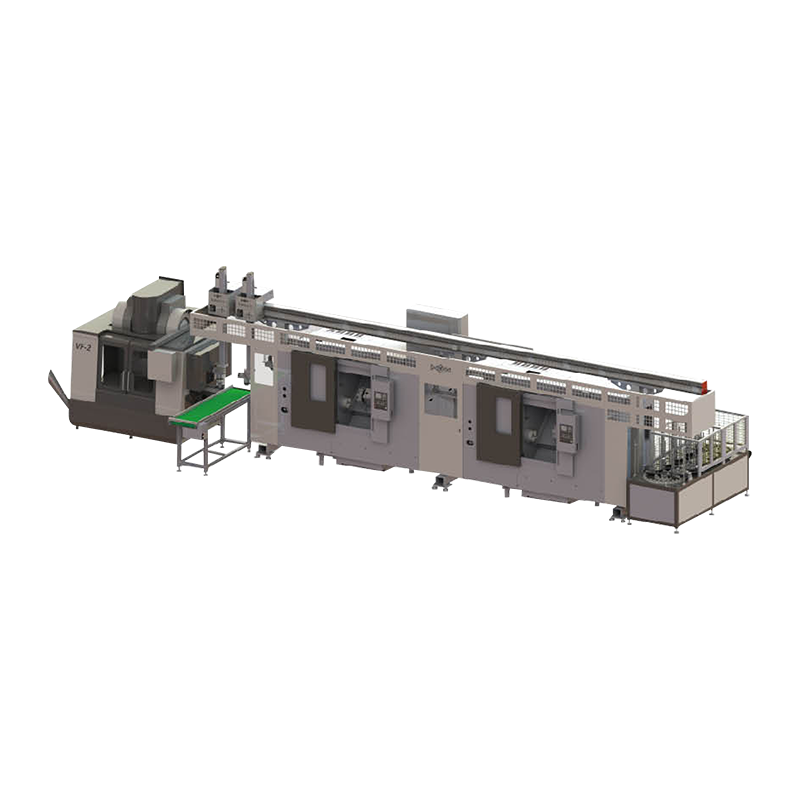
Details:
CNC Lathe Automation Production Line Introduction Two 400K machine tools and gear hobbing machines a...view more150200 Heavy Duty H Series CNC Lathe Automation Production Line
-
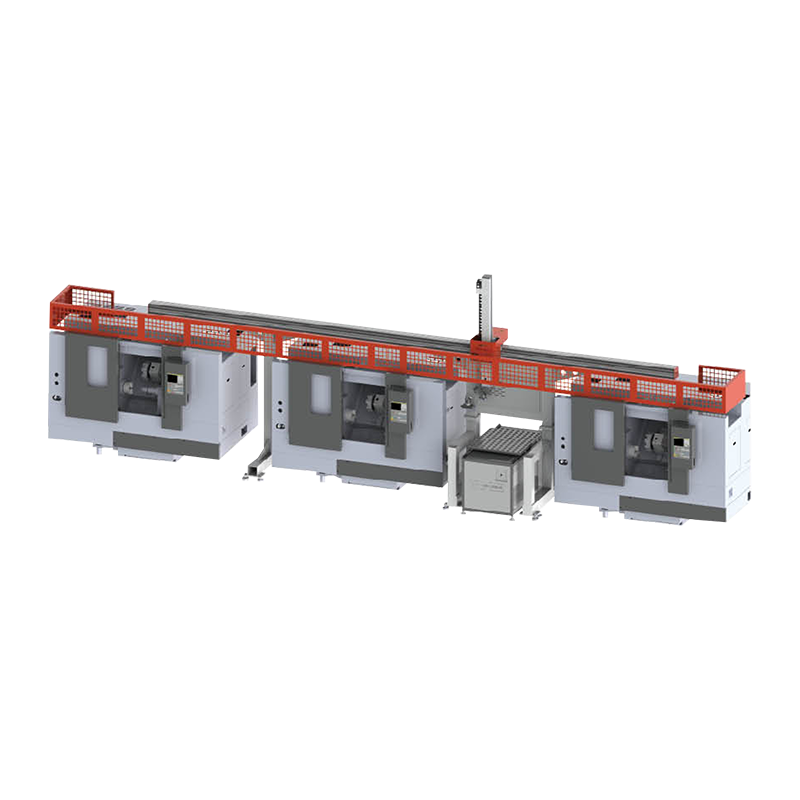
Details:
CNC Lathe Automation Production Line Introduction Three C400K machine tools are equipped with a one-...view more150200 Heavy Duty Q Series CNC Lathe Automation Production Line
-
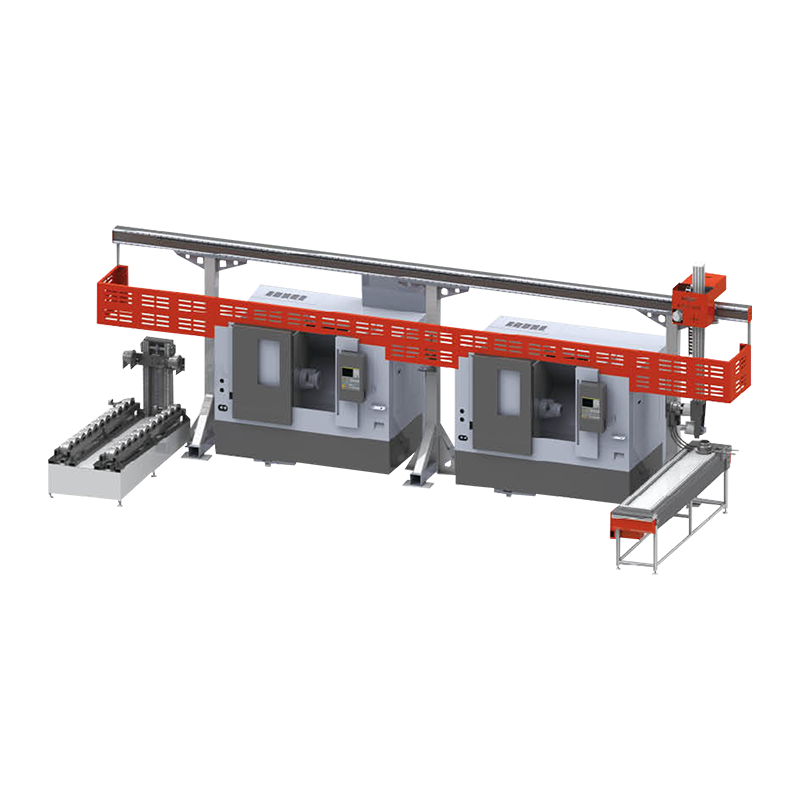
Details:
CNC Lathe Automation Production Line Introduction Two C6245A machine tools are equipped with one-to-...view more150200 Extra Heavy Duty M Series CNC Lathe Automation Production Line
-
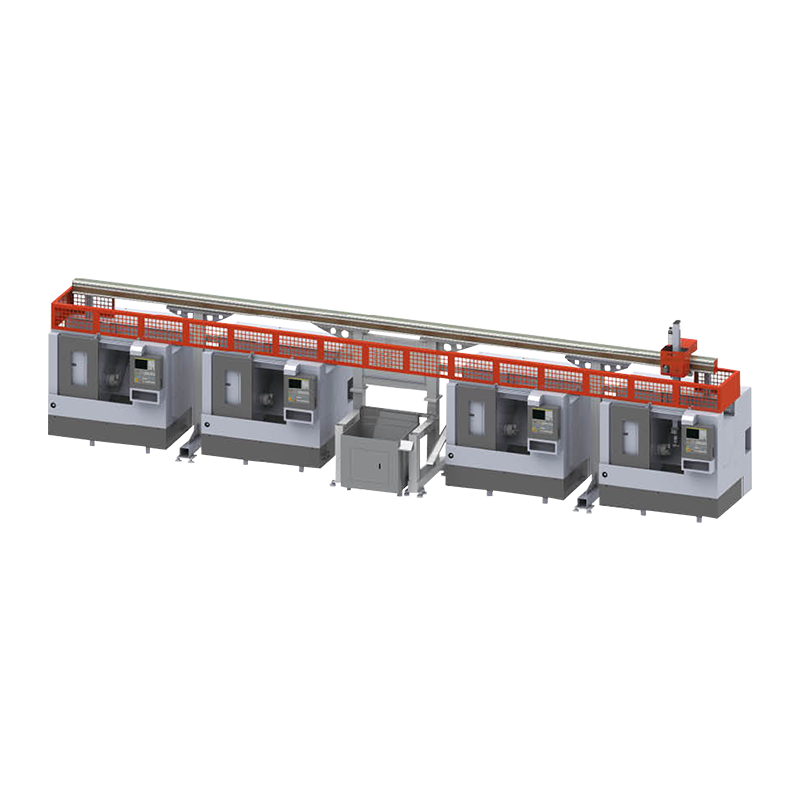
Details:
CNC Lathe Automation Production Line Introduction Two C320K machine tools are equipped with one-to-t...view more150200 Medium V Series CNC Lathe Automation Production Line
-
Details:
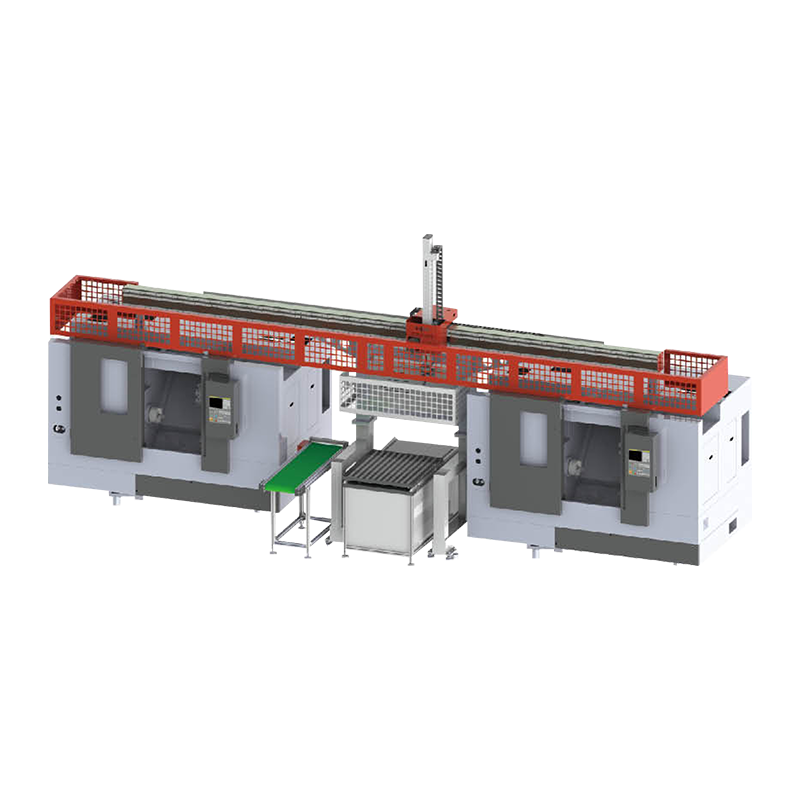
CNC Lathe Automation Production Line Introduction Two C400K machine tools are equipped with one-to-t...view more150200 Heavy Duty W Series CNC Lathe Automation Production Line
-
Details:
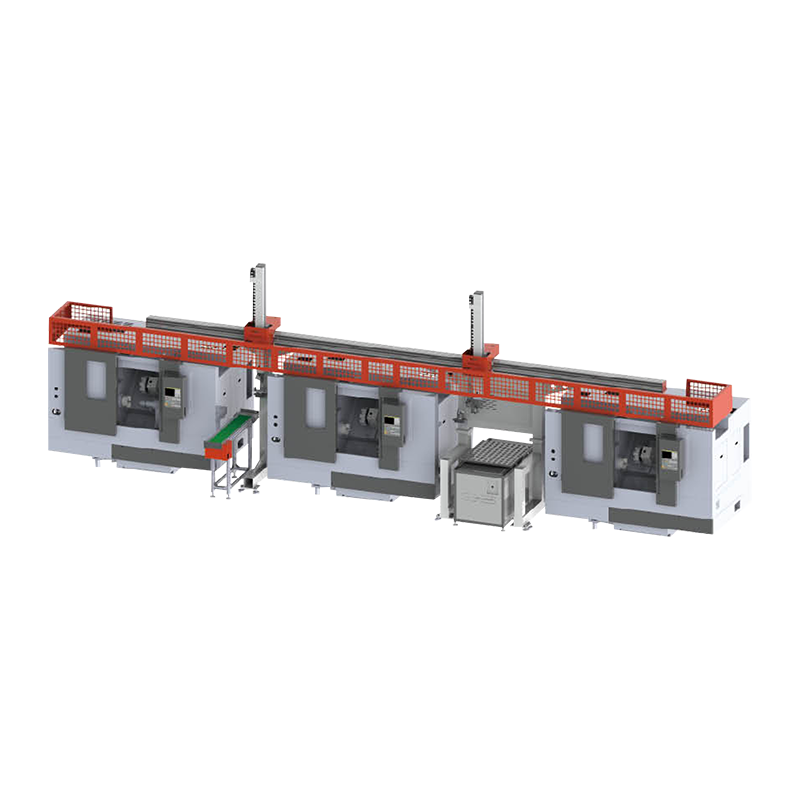
CNC Lathe Automation Production Line Introduction Three C400K machine tools are equipped with one-to...view moreDouble Arm Type N Series CNC Lathe Automation Production Line
-
Details:
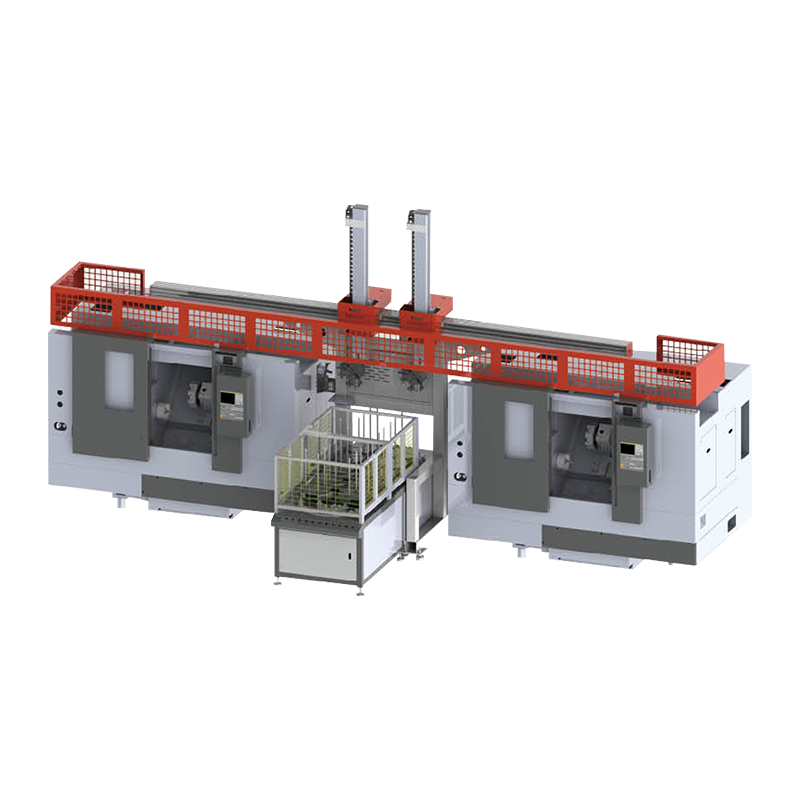
CNC Lathe Automation Production Line Introduction Two C400K machine tools are equipped with one-to-t...view moreDouble Arm Type M Series CNC Lathe Automation Production Line
-
Details:
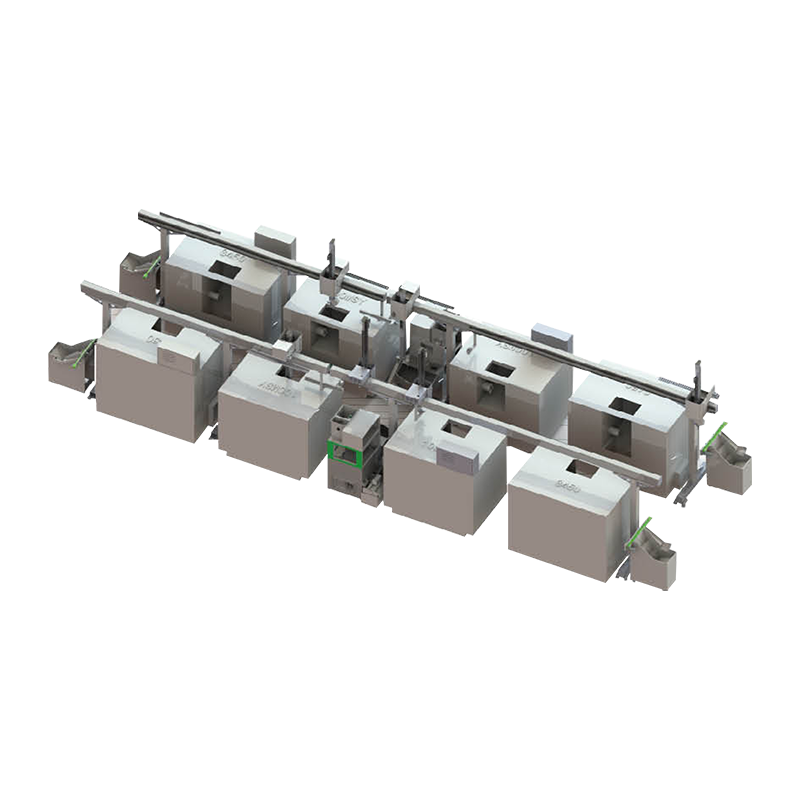
CNC Lathe Automation Production Line Introduction 100MSY+G450 machine tool is equipped with a one-to...view more150200 Customized Heavy Duty Z Series CNC Lathe Automation Production Line
About Us
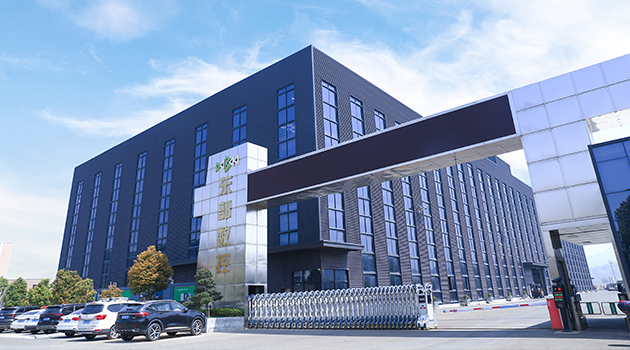
Taizhou Eastern CNC Technology Co., Ltd.
We are a well-known brand that manufactures
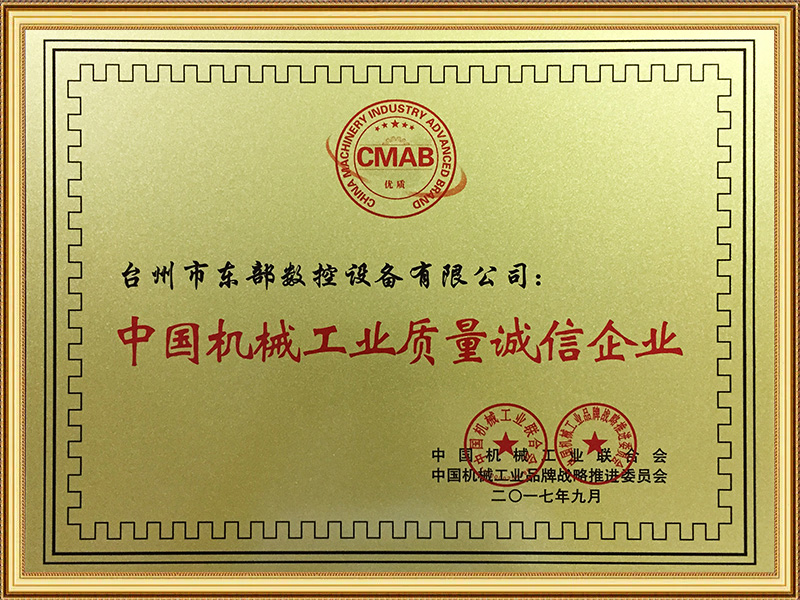
Honor
News
-
-
In April 2026, the 14th China CNC Machine Tool Exhibition (CCMT2026) concluded successfully in Shanghai. The event brought together numerous renowned dome...
READ MORE -
What is a Sub-Spindle CNC Lathe? A Sub Spindle Lathe is an advanced version of a standard CNC lathe that incorporates an additional sub-spindle capable of...
READ MORE -
Manufacturing products are becoming increasingly "challenging to produce"—part geometries are growing more complex, times are shrinking, and tolerances ar...
READ MORE -
Thanks to their unique vertical spindle configuration, Vertical Turret Lathes (VTLs) have become indispensable core equipment for machining large, heavy, ...
READ MORE
Industry knowledge
CNC lathe automation production line integrates computer numerical control (CNC) lathes into a streamlined manufacturing process. These lines utilize automated material handling, robotic loading, and CNC machining to enhance productivity and efficiency. CNC lathes within this setup perform precise turning, milling, and drilling operations with small human intervention, ensuring consistent quality and reducing cycle times. This automation is essential in industries requiring high-volume production of complex components, such as automotive and . Operators oversee programming and maintenance, optimizing the system for seamless operation and big throughput while maintaining stringent quality standards.
Advantages of Automatic CNC Lathes in Industrial Production
An automatic CNC lathe is a sophisticated machine tool used in manufacturing for automated machining operations. This type of lathe integrates computer numerical control (CNC) technology to control the machining process, enhancing precision and efficiency. Automatic CNC lathes are capable of performing various operations such as turning, drilling, milling, and threading with small human intervention. They feature automatic tool changers and robotic loading systems that streamline production processes and reduce cycle times.
The automation provided by automatic CNC lathes improves productivity by allowing continuous operation without the need for manual tool changes or adjustments. This is particularly beneficial in industries requiring high-volume production of precision components, such as automotive parts, medical devices, and electronics.
Operators of automatic CNC lathes require specialized training in CNC programming and machine operation to optimize performance and ensure safety. Regular maintenance and calibration of the machine's components are essential to maintain accuracy and prolong its lifespan.
Automatic CNC lathes are pivotal in modern manufacturing for their ability to automate complex machining tasks while maintaining high levels of accuracy and productivity. Their integration of advanced technology makes them indispensable for achieving precision and efficiency in industrial production.
The Evolution of Automation in Production Lines
An automated production line is a system of interconnected machinery and equipment designed to automate manufacturing processes from raw material handling to finished product assembly. These production lines utilize various automation technologies such as robotics, conveyor systems, and computer-controlled machines to streamline operations and improve efficiency.
The key components of an automated production line include:
Material Handling: Automated systems for transporting raw materials, components, and finished products between different stages of production.
Processing Stations: Machines equipped with automation features such as CNC control, robotic arms, and sensors to perform machining, assembly, and inspection tasks.
Assembly and Packaging: Automated assembly cells where components are assembled into finished products, followed by automated packaging systems for final shipment.
Automation production lines offer several advantages, including increased productivity, reduced labor costs, improved product consistency, and faster turnaround times. They are widely used in industries such as automotive manufacturing, electronics, food processing, and pharmaceuticals, where high-volume production and stringent quality control are essential.
Implementing an automated production line requires careful planning, integration of compatible technologies, and expertise in system design and maintenance. Regular monitoring and optimization of production processes ensure smooth operation and big the benefits of automation.
Automation production lines play a crucial role in modern manufacturing by enhancing efficiency, quality, and competitiveness. Their ability to automate repetitive tasks and complex operations contributes to overall productivity and profitability in industrial settings.
How to buy CNC machine tools
-
01
Contact Us
All of your quotes will be answered within 2 hours by our professional sales support.
-
02
Get A Free Quote
Use reliable parts and components to ensure product quality.
-
03
Fast Delivery
You can expect your order fulfilled within 60 days after placing the order.
-
04
After-sale Support
All our products come with a one-year warranty.

-

-

-

Shangma Industry Area, Shitang Town, Wenling City, Taizhou, Zhejiang, China.
-

Products
Message
Copyright © Taizhou Eastern CNC Technology Co., Ltd.

CNC Lathe Automation Manufacturer Privacy Policy